I have coached more than a thousand people through their first stroke on an indoor rower, at a CrossFit box and at a dedicated rowing studio, and almost all of them made the same mistake before they ever sat down: they shopped for a machine by the picture instead of by the workout they would actually do on it. That is the whole problem with shopping for home rowing machines. The machine is maybe 20 percent of the result. The other 80 percent is whether you climb on it on a Tuesday when you do not feel like it, and whether the thing under you feels good enough that you want to.
So this is not a spec sheet. It is four products, three rowers and one maintenance item, sorted by who each one is for. I put them through the same lens I use when I coach: 20 minute steady state sessions, sprint intervals, and the tall person / short person fit test, because a machine that fits a 6 foot 2 athlete and a 5 foot 4 beginner is a different machine than one that fits only one of them.
The short answer: if you want a rower that also lifts, the 2 in 1 Rowing and Cable Machine is the most versatile thing in this group. If you want the water feel without paying WaterRower money, the Wenoker is the one to look at. The HARISON is the magnetic option for people who need quiet. And the chain oil is not optional if you own a chain-drive rower.
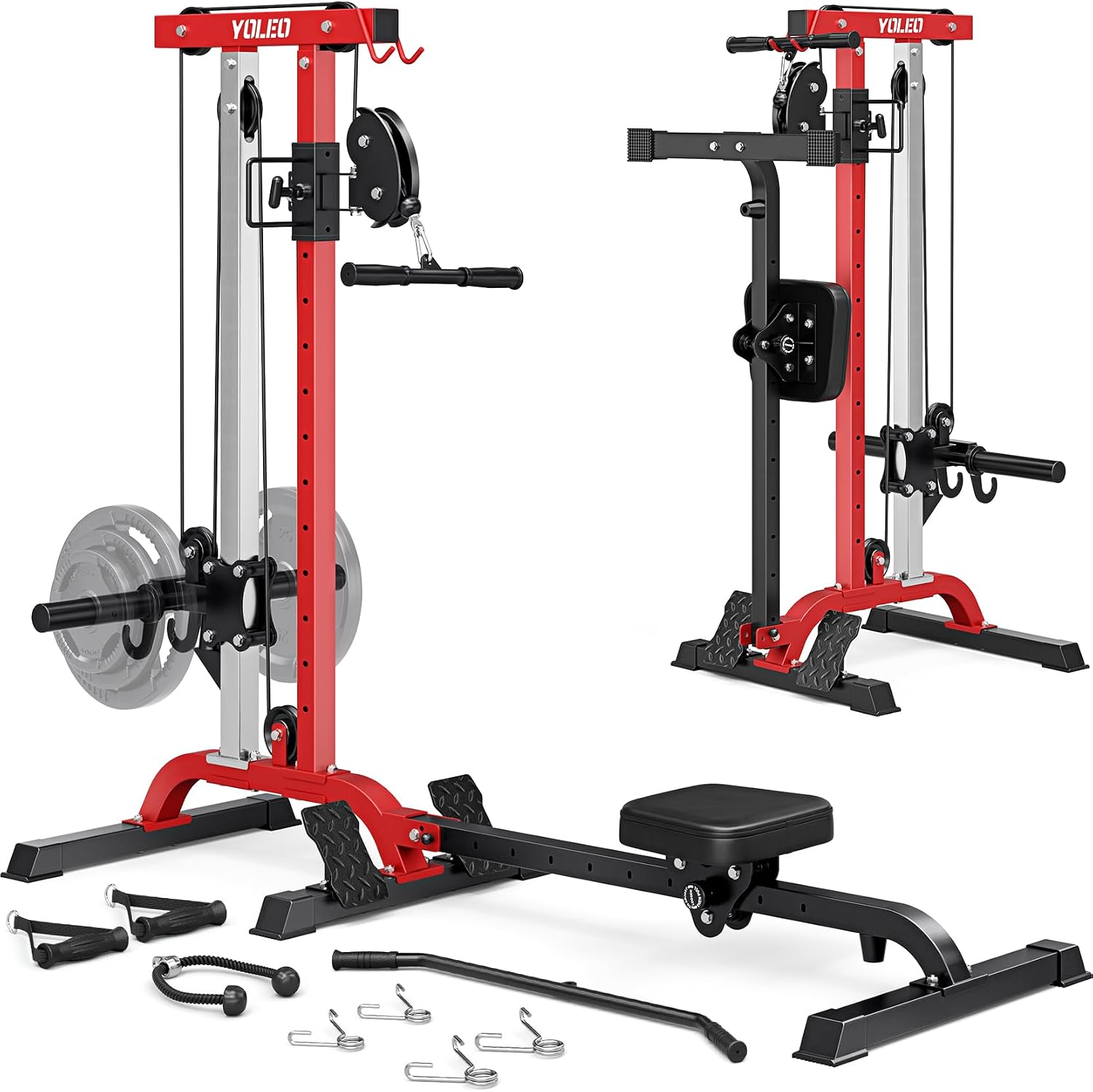
2 in 1 Rowing & Cable Machine for Home Gym, 450 Lbs Capacity
Two machines in one footprint, and the 450 lb listed capacity means it is built for real loading
A 2 in 1 is always a compromise, and switching between row and cable work costs setup time
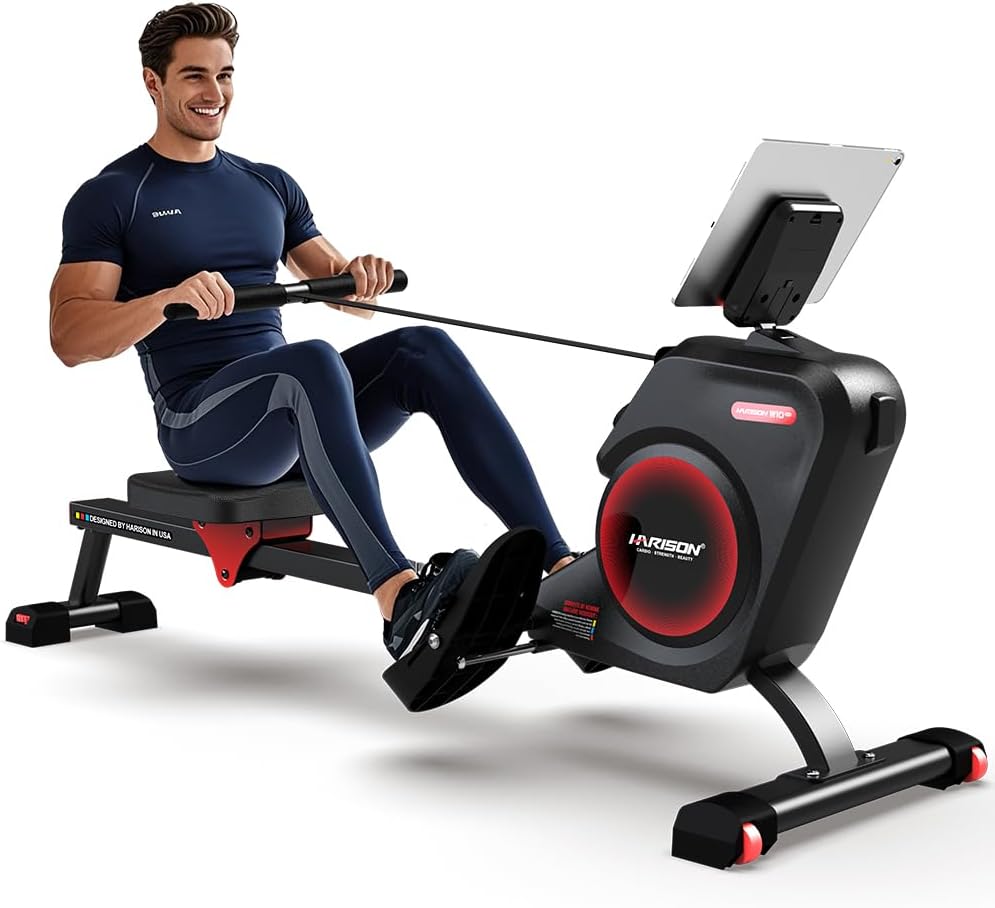
HARISON Rowing Machine, Magnetic Rowing Machine for Home, 350 LB Weight Capacity, 16-Level Silent Resistance Row Machine for Gym Exercise
16 resistance levels and a 350 lb listed capacity, and magnetic resistance is genuinely quiet
Magnetic resistance is the least honest stroke feel of the three, and "silent" is a marketing word
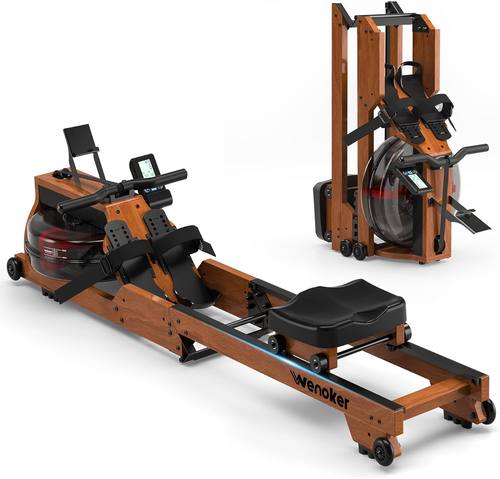
Wenoker Water Rowing Machine, Foldable & Space-Saving, Immersive Water Rower
The closest thing here to the feel of actual water, and it folds for storage
A water tank is a maintenance project, and folding rowers live and die by their hinge
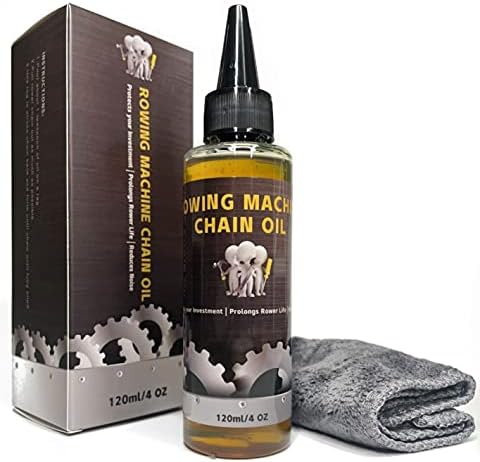
TreadLife Fitness Concept 2 Rowing Machine Chain Oil
Compatible with All Chain-Drive Rowers, Including Concept 2 Models A B C D E
Prices and availability were captured from Amazon Creators API and may change.
How I judge a rowing machine
Four questions, every time. Does the drag feel consistent through the whole stroke, or does it surge at the catch and go slack at the finish? Does the monitor give me a split, or does it just guess at calories? Does the seat roll smooth and quiet on the rail? And would I put a beginner on it without apologizing first?
That last one matters more than the other three combined. If I would not coach a first-timer on a machine, it is not a machine I would recommend to anybody, no matter how good the frame looks in a photo.
The seat question is not fussiness either. A seat that clicks on the rail is telling you something about the rail, the rollers, or the alignment. Listen to it. Fix it or send it back, because a clicking seat will be the reason you stop using the machine by month two.
The 2 in 1 Rowing and Cable Machine: one footprint, two jobs
Most home gyms are short on floor space, and this is the product in this group that solves that directly. You get a rowing platform with a listed 450 lb capacity and a cable system on the same frame, which means the pulling muscles you build rowing can be trained from other angles without a second machine. For a garage gym where the rower would otherwise sit next to a functional trainer, that is real value.
Here is the honest critique, and it comes from years of watching multi-function machines get abandoned. A 2 in 1 does two things reasonably instead of one thing perfectly. The cable attachment swap takes time, and time is the thing that kills home workouts. If you are the kind of person who does a 20 minute row and then leaves, you are paying for a cable machine you will not use. If you already superset, you will use both halves every session.
The other thing I would check before buying: how the seat and rail feel when the machine is loaded. A 450 lb capacity rating is a strength claim, not a comfort claim. Sit on it, row for 20 minutes, and see whether the stroke still feels smooth at the end.
The HARISON: magnetic resistance for apartments and small rooms
The HARISON is the small-space, low-noise answer in this comparison. It lists 16 levels of magnetic resistance, a 350 lb weight capacity, and silent operation, and magnetic resistance really is the quietest option you can put in an apartment. That part of the marketing is true.
What I want you to understand before you buy magnetic anything: resistance that feels like stirring soup is the norm, not the exception. Magnetic rowers do not build resistance the way air or water does, so the stroke can feel flat, with the load sitting on the pull rather than building through it. Some people never notice and never care, especially if the rower is one piece of a larger routine and not the whole thing.
The second thing is the word silent. I do not accept a quiet claim without a decibel reading, and no listing is going to give me one. What I can tell you is that magnetic resistance removes the fan noise that defines an air rower, and that leaves the seat, the rail, and the pull mechanism as the only things left to make noise. Which is exactly why the seat test matters on this machine more than on the others.
The Wenoker: the water feel without the WaterRower price
Water rowers are the ones that make people fall in love with the movement. The flywheel in a tank gives you a stroke that loads and unloads the way a boat does, and if your goal is to feel like you are rowing rather than to chase a leaderboard number, that feel is worth paying for. The Wenoker is a foldable, space-saving water rower, which is the combination most people with a small apartment actually want: the water feel during the session, the machine out of the way between sessions.
The catch is the tank. Water is a maintenance project. You will deal with water treatment, you will deal with the tank over time, and you will notice when the water needs attention because the stroke will tell you. That is not a defect. It is the cost of the feel, and it is the same cost every water rower carries.
The second thing is the fold. My rule on folding machines is simple: a rower that folds but never unfolds again is a coffee table with a tank on it. Before you buy any foldable rower, think hard about whether you are a person who puts equipment away or a person who leaves it out. If you are the second kind, buy the machine you can leave out, because the fold is just a hinge you will exercise once.
The chain oil: the cheapest thing you can do for a chain-drive rower
This is the odd entry in a rowing machine comparison, and it is also the one I would buy first if I already owned a chain-drive rower. A chain that runs dry gets loud, then it gets stiff, then it starts wearing the sprocket, and by then you are pricing parts instead of buying a bottle of oil. The TreadLife chain oil is listed as compatible with all chain-drive rowers, including Concept 2 models A through E, which covers essentially every chain machine you are likely to own.
Two notes from a coach. First, maintenance is part of rowing, and a chain-drive machine that gets a wipe and a light coat of oil will outlast the enthusiasm of most owners. Second, do not overdo it. A chain that is dripping attracts dust and dirt, and dirt in a chain is worse than a dry chain. Light, regular, and wiped down beats heavy and occasional.
If you own a magnetic or water rower, this product is not for you, and I would rather tell you that than sell you something you cannot use.
The trade-offs the listings leave out
Every machine here is a trade. The 2 in 1 trades stroke purity for versatility, and it trades floor space in a way that only pays off if you use the cable half. The HARISON trades stroke feel for quiet and simplicity. The Wenoker trades maintenance time for the best feel in the group. The chain oil trades nothing, but only applies if you own a chain-drive machine.
What none of the listings will tell you is that the monitor is the part you will resent. A machine can have a beautiful frame and a screen that only shows calories, and calories are a guess, not a measurement. I want split, which is time per 500 meters, because split is the honest pace number and it is comparable from session to session. If a machine cannot give you a repeatable pace number, it is a nice piece of furniture with a handle.
The other thing the listings will not tell you is fit. A rail that is too short for a tall rower shortens the stroke, and a rail that is too long for a short rower makes the catch awkward. Before you commit to any of these, measure your inseam and check the rail length against the machine's listed range. This is the single most common reason people return rowers, and it has nothing to do with build quality.
Which one is right for you
Buy the 2 in 1 if you have one corner of a garage and you want to row and lift without buying two machines. Buy the HARISON if you live above someone, row early or late, and care more about quiet and simplicity than about the exact feel of the pull. Buy the Wenoker if the water stroke is the reason you want a rower at all, and you accept that the tank is a relationship. Buy the chain oil if you already own a chain-drive rower and you have not serviced it this year.
And if you are still deciding whether you will actually use a rower, spend less. The best machine is the one that survives your least motivated week.
A technique note before you buy anything
Whatever you buy, the machine will do its job if you do yours. Slow the stroke down. Most beginners row at 32 strokes a minute with a short, choppy motion and wonder why they are exhausted in four minutes. Aim for 20 to 24, drive with the legs first, then the body, then the arms, and reverse it on the way back. Feel the catch, feel the finish, and let the flywheel come back to you instead of racing it.
That is the part nobody can sell you, and it is the part that makes any of these four worth the money.