I have taught more than a thousand people to row on machines, at a CrossFit box and at a dedicated rowing studio, and the question I get most from people building a home rowing setup is not which rower to buy. It is which pieces to buy, because the machine is only part of the corner. The rail has to fit you, the monitor has to tell you the truth, and the whole thing has to still work in March, when it has had sweat on it every day since January.
So this is a comparison of the four pieces I would actually consider for that corner: an air rower, a 2-in-1 rowing and cable machine, a walking pad, and the least exciting purchase on the list, a bottle of chain oil. One of them is the machine. One of them is the machine plus a gym. One of them is not rowing at all. And one of them is the cheapest way to keep an expensive machine honest.
The short answer: if rowing is the point of the setup, the air rower is the piece that does the job, and the chain oil is the cheapest insurance you can buy for a chain-drive machine.
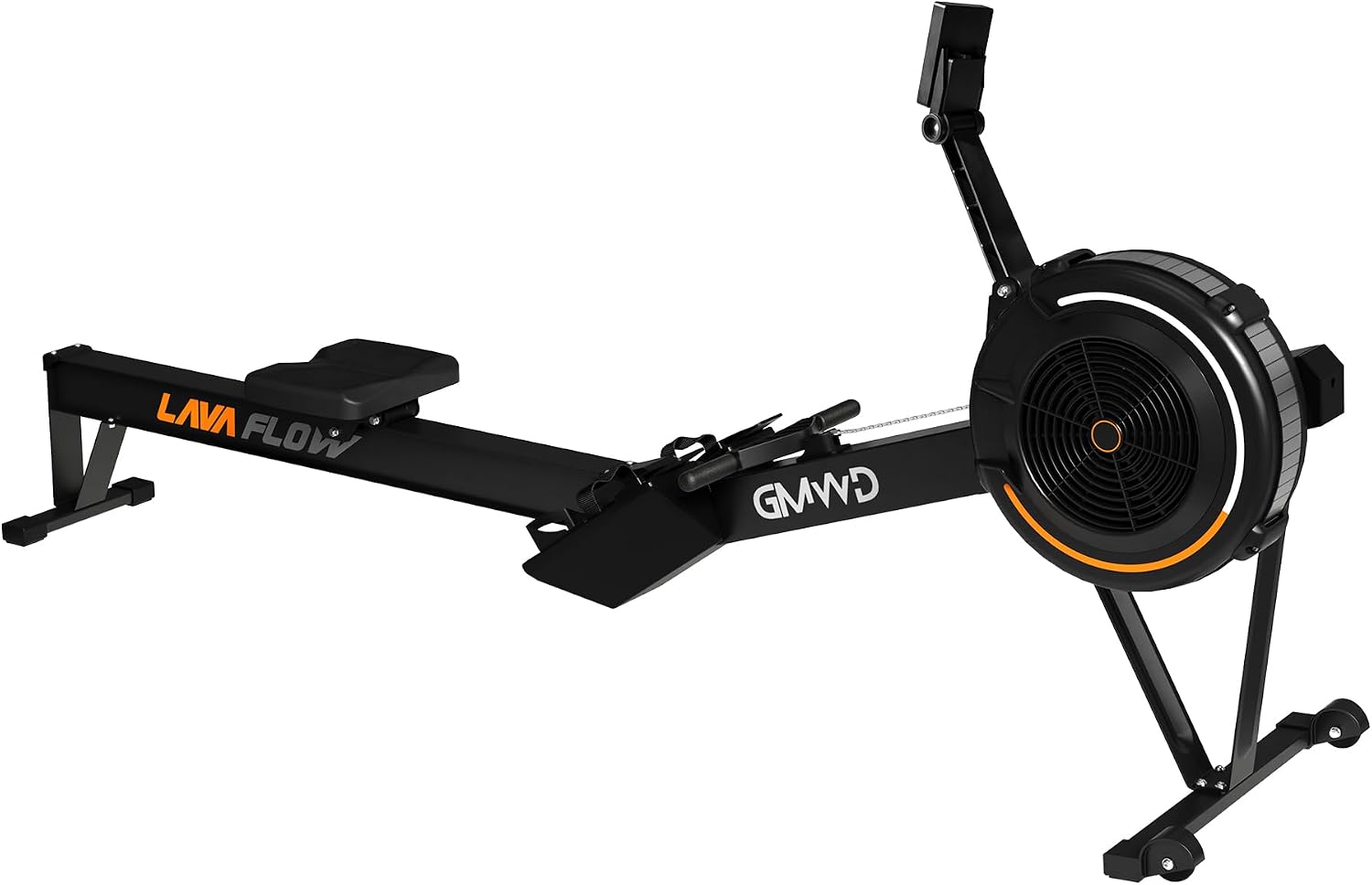
GMWD Air Rowing Machine, Lava Flow Series
Air resistance scales with effort, so the stroke stays honest; 10 levels cover a warmup gear and a race gear; performance monitor plus device holder handles coached and app-led sessions
Air rowers are loud, the listing publishes no drag factor, and the fan needs clearance behind it
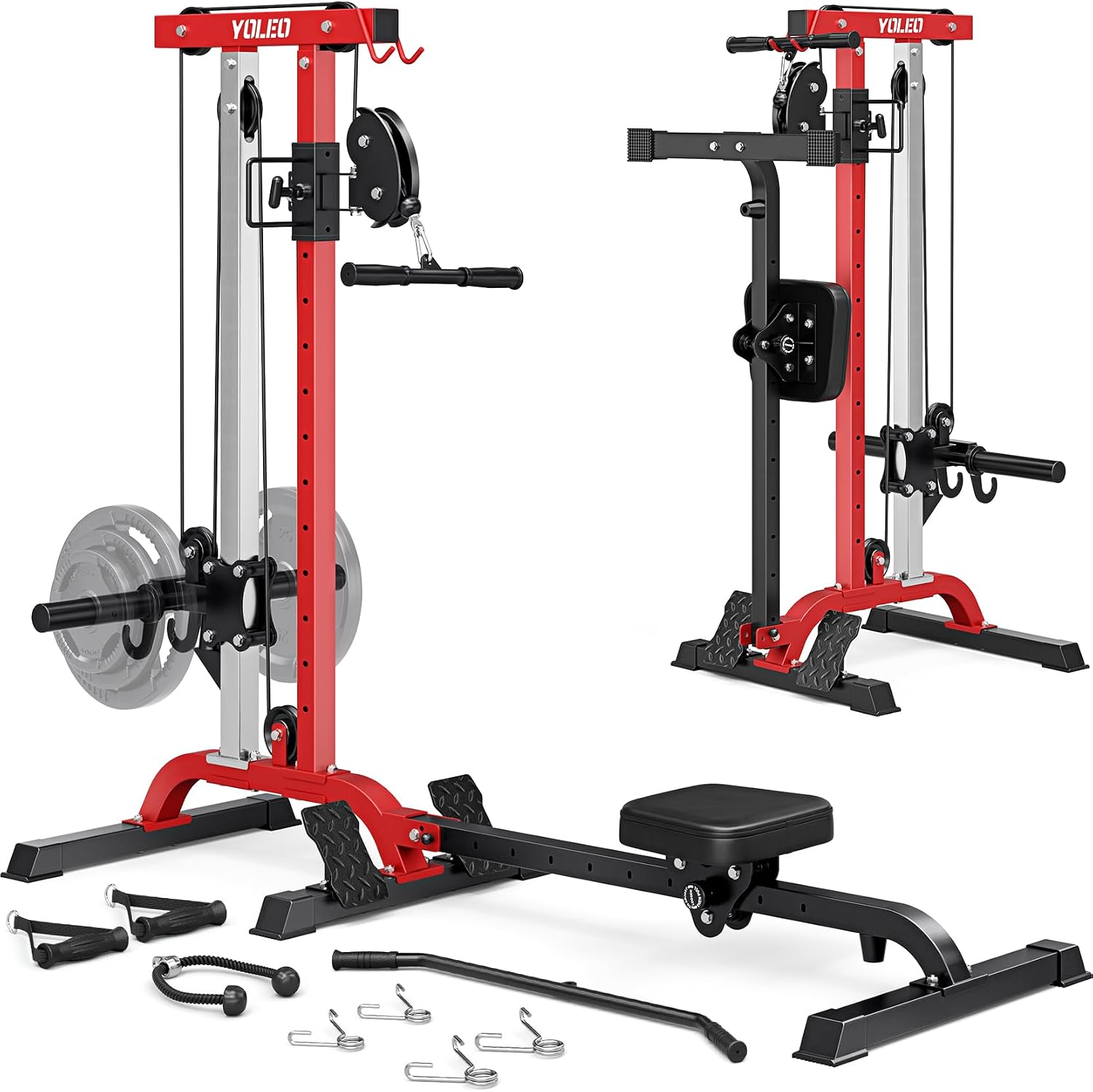
2 in 1 Rowing & Cable Machine for Home Gym, 450 Lbs Capacity
Two training modes on one footprint, the highest capacity here at 450 lbs, and it covers the strength work a rower needs
The listing does not say how the rowing half creates resistance, so you cannot tell an honest pull from a flat one
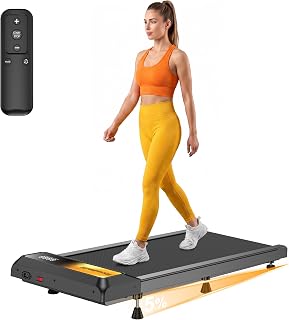
Walking Treadmill Pad with Incline, 2.5HP Under Desk
Cheapest way to add daily steps and incline work under a standing desk, remote control included, 265 lbs capacity
It is not rowing, and incline walking will not build the engine that intervals build

TreadLife Fitness Concept 2 Rowing Machine Chain Oil
Best value item on this page if you own a chain-drive rower; a clean, oiled chain keeps the stroke smooth and the drag consistent
Only useful on a machine with a chain; does nothing for worn seat rollers or a tired monitor
Prices and availability were captured from Amazon Creators API and may change.
What I check before a machine earns floor space
Four questions, every time. Does the resistance feel consistent through the whole stroke, from the catch to the finish? Does the monitor show split, meaning time per 500 meters, or does it only shout calories at you? Does the seat roll smooth and quiet on the rail? And would I put a beginner on it for their first twenty minutes without apologizing for it?
That filter is not about brand loyalty. It is about the difference between a machine you will use for years and a machine that becomes a clothes rack by February. Rowing is a movement you have to trust. If the resistance surges in the middle of the drive, or the seat clunks on the return, you will fight the machine instead of training on it, and that fight is what kills home rowing.
The other thing I check is fit. I run a tall person and short person test on every machine, because a rower that suits a six-foot-two athlete can leave a five-foot-four beginner reaching past their toes at the catch. Rail length, footrest position, and handle height matter more than the marketing copy does.
The air rower: the piece that makes it a rowing setup
The GMWD Air Rowing Machine is the only piece here that gives you the full rowing stroke with the resistance curve that makes rowing worth doing. Air resistance means the harder you pull, the harder it gets. That is the entire reason air rowers are the standard: a magnetic rower gives you roughly the same resistance at every effort level, which is why it feels like stirring soup no matter how hard you drive. On an air rower, your split drops when you work, and that feedback loop is the training.
Read the listing like a coach and it tells you a few things. Ten levels of adjustable resistance means you can set a light gear for a twenty-minute steady-state piece and a heavy one for sprint intervals, though on an air rower the setting is closer to a feel adjustment than a true resistance number. The performance monitor covers the basics of pace and time, and the device holder is the quiet admission that most people will row to an app or a class rather than a paper plan, which is fine. The comfort seat matters more than it sounds: if the seat is hard or the rollers are cheap, your first long piece becomes a countdown to getting off.
What the listing does not give you is a drag factor. On a Concept2, the damper lever is just a lever, and the drag factor is the real number that tells you what the fan is actually doing. Without a published drag factor you are trusting the fan rather than reading it. That is not a dealbreaker at this end of the market, but it is exactly why the serious crowd still pays up for the standard.
Two more things I would want to know. First, air rowers are loud. The fan is doing the work, and it makes noise. I will not call any rower quiet without a decibel reading, and this listing does not offer one, so plan for the sound of a fan pushing air. Second, the fan needs clearance behind it. A rower jammed against a wall starves the intake and changes the feel of the whole stroke.
The 2-in-1: two machines, one footprint
The 2 in 1 Rowing & Cable Machine is the interesting outlier, and it comes down to one word: capacity. It lists a 450 lb weight limit, the highest number in this comparison, and that matters if you have ever felt a cheap rail flex under a hard drive. Flex in the rail is the thing that drives people crazy within a month, and a higher capacity rating usually means a beefier frame.
The pitch is simple. You get a rowing machine and a cable station in the footprint of one machine. If you live in an apartment and your gym is a corner of the living room, that math is compelling, because a cable tower unlocks lat pulldowns, seated rows, triceps work, and a hundred other movements a rowing machine cannot give you. A rower builds an engine. A cable station builds the frame around it.
Here is my honest hesitation, and it is the same hesitation I have with every two-in-one. Machines that do two things rarely do either one at the level of a dedicated tool. The listing does not spell out how the rowing half creates its resistance, and that detail decides everything. If the rowing side is air, you get the honest, effort-scaled stroke I described above. If it is magnetic, you get a smooth but flat pull that feels fine for twenty minutes and dull by week three. Before you buy, find out which one it is, and ask how much load the cable half can actually pull.
If rowing is your priority, take the air rower. If your priority is a home gym that happens to include rowing, the 2-in-1 is the smarter single purchase.
The walking pad: not rowing, and that is the point
The Walking Treadmill Pad with Incline is the odd one out, and I want to be clear that it is not a rowing machine and should never be bought as a substitute for one. It is a 2.5HP under-desk pad with an incline, a remote control, and a 265 lb capacity, built for walking and light running while you work or watch something.
So why is it in a rowing comparison? Because the hardest part of a home rowing habit is the days you do not want to row. A twenty-minute steady-state piece is a real effort, and on a low day that effort is exactly what you will avoid. A walking pad gives you a version of movement you can do in street clothes with a laptop open. It keeps the habit alive on the days the rower would otherwise sit there accusing you.
The trade-offs are real. Incline walking is not conditioning the way intervals are, and it will not build the posterior chain or the aerobic engine that rowing builds. The incline on a pad like this is modest compared to a full treadmill, and the belt is narrow, so you walk rather than stride. A pad at this capacity is also not built for a heavy runner. Buy it as the easy-day tool and it earns its place. Buy it as your cardio and you will outgrow it in a month.
The chain oil: the boring purchase that saves the expensive one
TreadLife Fitness makes a chain oil for Concept2 rowing machines, and the listing says it is compatible with all chain-drive rowers, including Concept2 models A through E. If you own a chain-drive rower, this is the highest-value item on the page, and it is not close.
Here is why. A chain-drive rower runs on a chain that collects sweat, dust, and grit. A dry or dirty chain does two things: it makes the stroke feel rough, and it makes the drag inconsistent, which means your splits drift for reasons that have nothing to do with your fitness. The erg does not lie, but it can absolutely be misread if the machine is fighting you. A few drops of oil on a clean chain restores the smooth pull and keeps rust off the links, which is the difference between a machine that lasts a decade and one that starts squeaking in year two.
Keep your expectations calibrated. Oil fixes a dry chain. It does not fix worn seat rollers, a slack shock cord, or a monitor with a dead battery. And it does nothing at all for a rower without a chain, including most magnetic machines and anything running a nylon strap instead. Buy it with the machine it belongs to, not as a hopeful cure for a problem you have not diagnosed yet.
How the four fit together
Rank them by what they unlock. The air rower is the center of the setup, because it is the only piece here that gives you a full-body, effort-scaled workout and a monitor you can train against. The chain oil is next if you own a chain-drive machine, because it protects the biggest investment for the smallest money. The 2-in-1 moves up fast if floor space is tight and you lift as much as you row, since it replaces two purchases with one. The walking pad comes last only because it is optional: it does not make you a rower, it just makes the weeks between rowing sessions less empty.
The combinations I would actually build:
- Rowing first: air rower, plus chain oil if your machine runs a chain. Nothing else needed.
- Small apartment, mixed training: 2-in-1, plus a walking pad for the easy days.
- Desk worker, low motivation: walking pad, plus whatever rower fits your budget and your ceiling height.
What I would verify before you click buy
None of these listings answer every question, so bring this list with you:
- Does the monitor show split, or only time and calories? Split is the number that makes you better.
- On the 2-in-1, how does the rowing half create resistance, and what is the cable weight rating?
- Does the seat roll without clicking? A clicking seat is the machine telling you something.
- How long is the rail, and where do the footrests sit for your height?
- What are the warranty on the frame and the return policy?
- For the air rower, how much clearance does the fan need behind it?
- For the walking pad, what is the top speed and how wide is the belt?
The bottom line
Build the corner around the machine you will actually use, not the one with the best spec sheet. For most people reading this, that means the air rower, because air resistance is the only mechanism here that rewards you for pulling harder and tells you the truth about it. Add the chain oil if your machine runs on a chain, because it is the cheapest maintenance you will ever do. Choose the 2-in-1 if space is the constraint and you want a cable station in the same footprint. And treat the walking pad as what it is: a tool for the days you cannot face a twenty-minute piece, which are the days that decide whether this habit survives the winter.