Buying the best rowing machines for home comes down to one honest question: which machine will you still sit on in February? A rower is not a small object. It lives in a bedroom, a living room, or a garage, and every design decision, air or magnetic resistance, a real performance monitor or a calorie counter, a seat that rolls clean or one that clicks on the rail, decides whether you use it or drape laundry over it.
This guide compares six currently available home rowing machines across resistance type, monitor and workout data, seat and rail feel, footprint and storage, and training support. The range runs from folding magnetic rowers built for tight spaces to the air rower that dominates gyms and indoor rowing competitions. The short version is in the quick answer below, and the longer version explains what each machine is genuinely good at, so you can match a rower to the way you train rather than to a marketing page.
Related: How to Set the Damper and Read Your Split on an Air Rower
Quick answer
The Concept2 RowErg Indoor Rowing Machine - PM5 Monitor, Device Holder, Adjustable Air Resistance, Easy Storage is the strongest fit for most home rowers because it pairs air resistance with an adjustable damper, the PM5 performance monitor, an integrated device holder, and a frame that separates for storage. Choose the Merach Q1S Magnetic Rowing Machine Indoor, Dual Slide Rail, Quiet & Smooth instead when you want magnetic resistance, dual slide rails, and a quieter session in a shared space.
Rowing machines worth comparing
These six machines fall into two families. Air rowers use a flywheel and a damper lever, and they reward you with the closest thing to on-water resistance in a home machine. Magnetic rowers use a magnet moving closer to or farther from the flywheel, which changes the resistance without changing the noise level much. Everything else, the monitor, the seat, the rail, the storage method, and the app support, is what separates two machines that look similar in a product photo. The cards below cover the differences that show up in daily use.
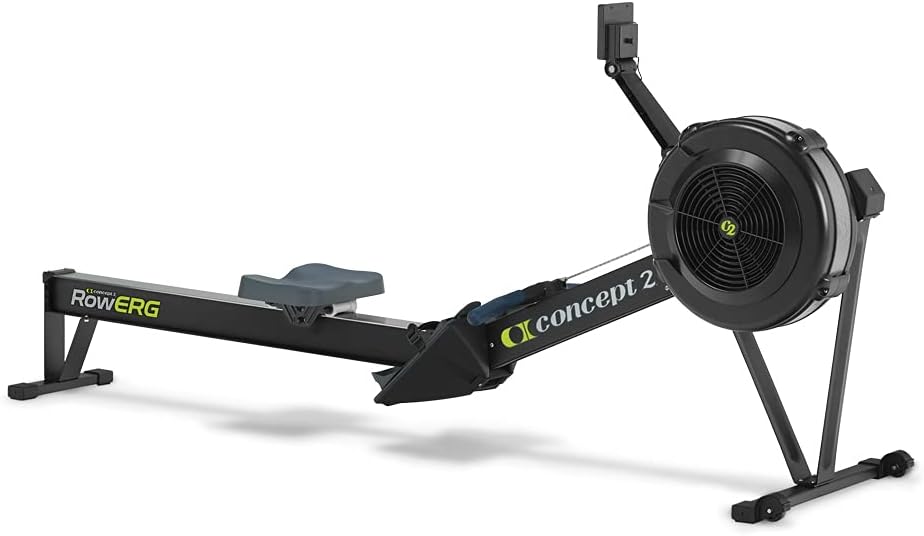
Concept2 RowErg Indoor Rowing Machine - PM5 Monitor, Device Holder, Adjustable Air Resistance, Easy Storage
Air resistance with an adjustable damper, the PM5 monitor, an integrated device holder, and a frame that separates for easy storage. The reference machine for indoor rowing, used from gym floors to competition rankings.
Visit on Amazon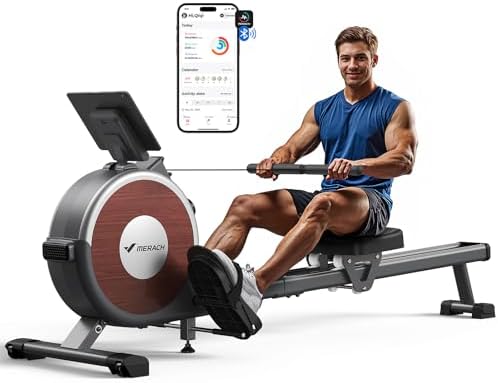
Merach Q1S Magnetic Rowing Machine Indoor, Dual Slide Rail, Quiet & Smooth
Magnetic resistance with a dual slide rail design, described as quiet and smooth. A sensible pick for apartments and shared rooms where a fan flywheel's noise is the dealbreaker.
Visit on Amazon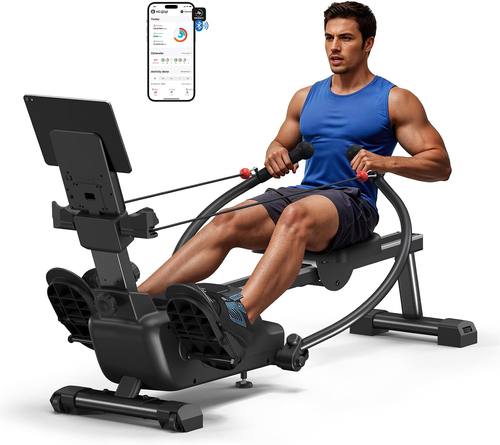
Merach RS3 Scull Rowing Machine for Home, Simulate Real Row, Ergonomic Seat
Built to simulate a real row with an ergonomic seat, aimed at home rowers who want a sculling feel without a water tank or a fan flywheel.
Visit on Amazon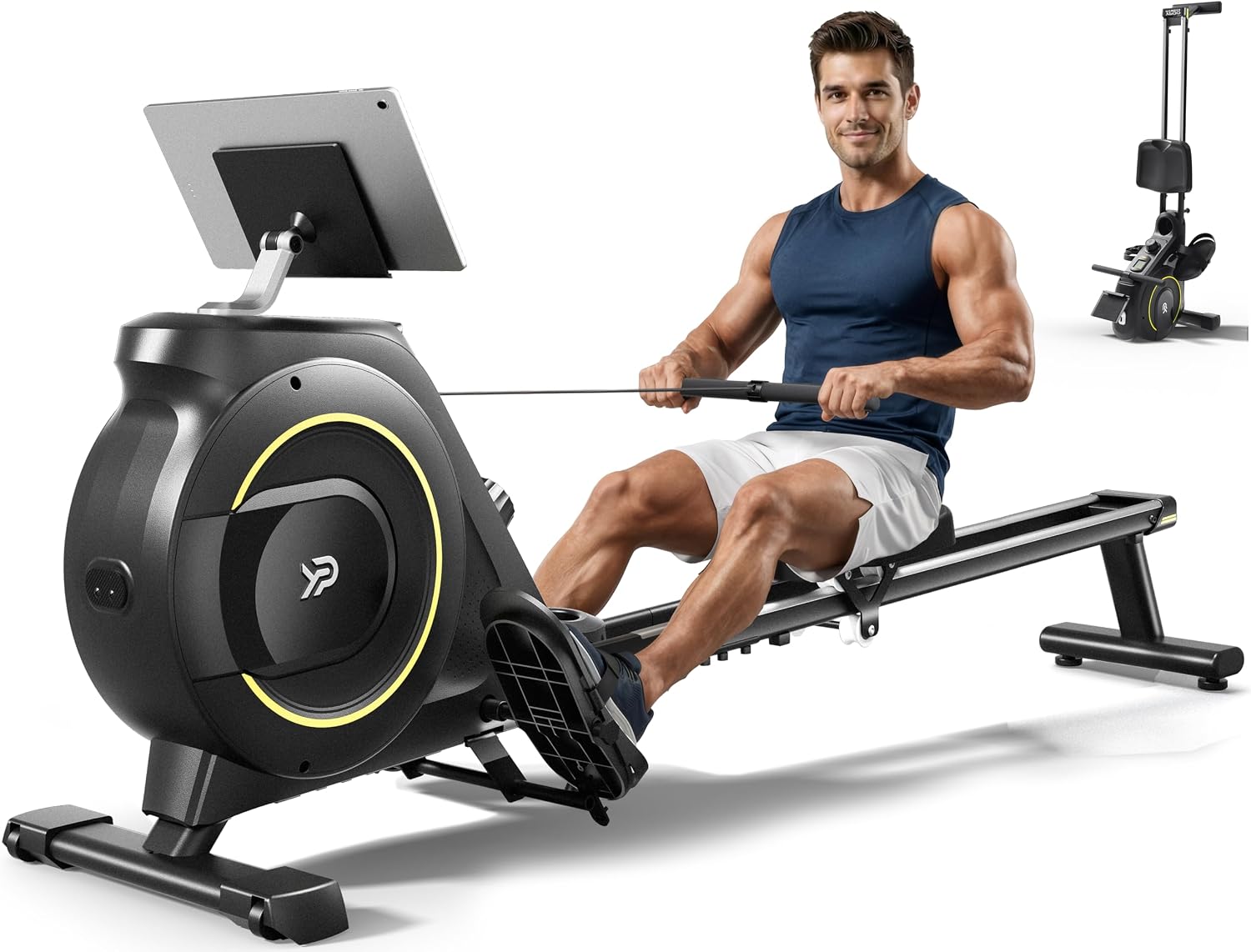
Rowing Machine for Home, 350 LB Capacity, 16-Level Silent Resistance, Magnetic Rowing Machines for Home Foldable, Full-Body Workout Compact Rowing Machine for Cardio & Strength with APP Support
A foldable magnetic rower with a 350 lb capacity, 16 levels of silent resistance, app support, and a compact footprint for small home gyms.
Visit on Amazon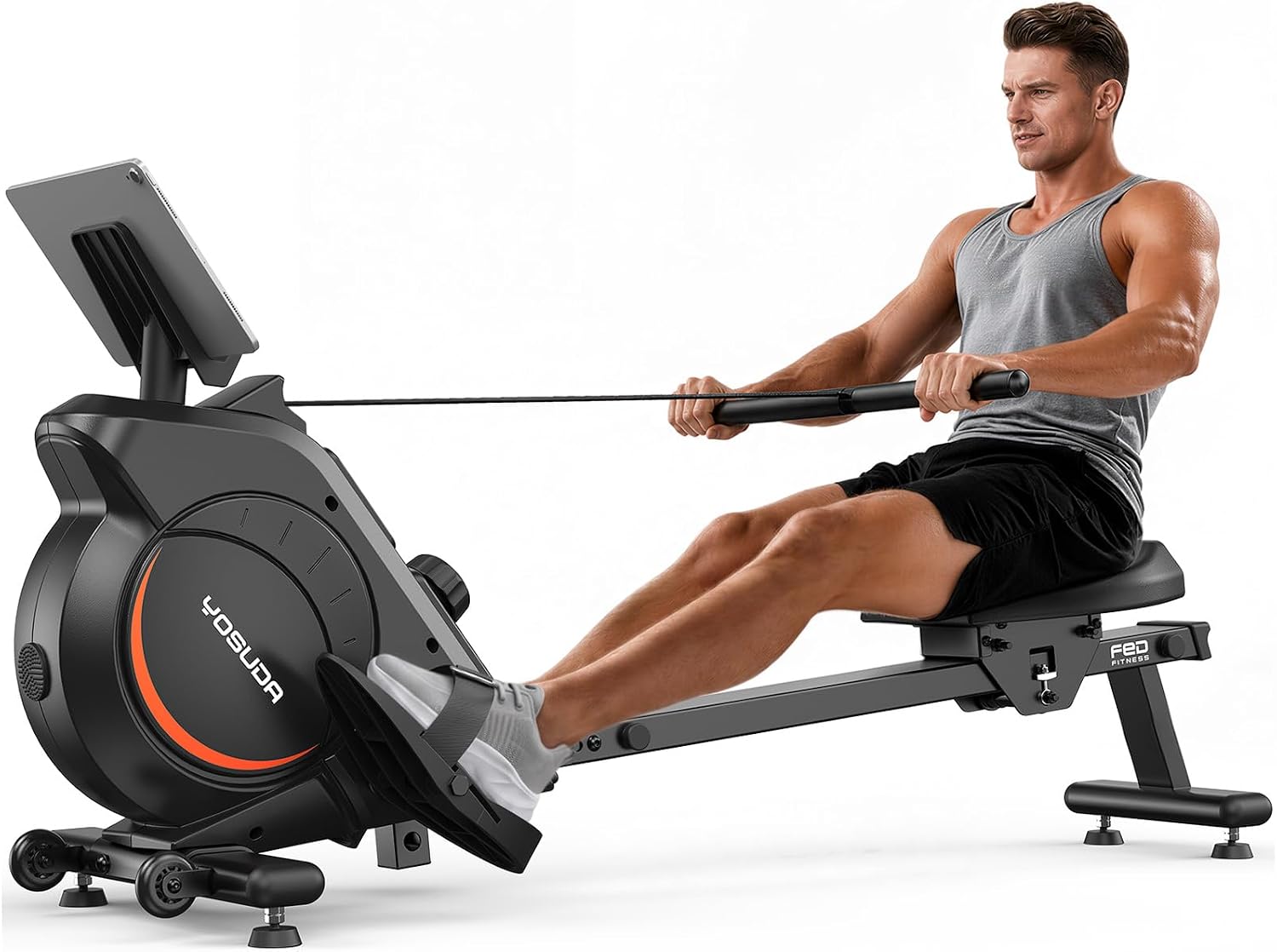
YOSUDA Rowing Machine for Home, Magnetic Rower with 16-Level Resistance
A magnetic home rower with 16 resistance levels, for buyers who want adjustable resistance and a straightforward setup without an air flywheel.
Visit on Amazon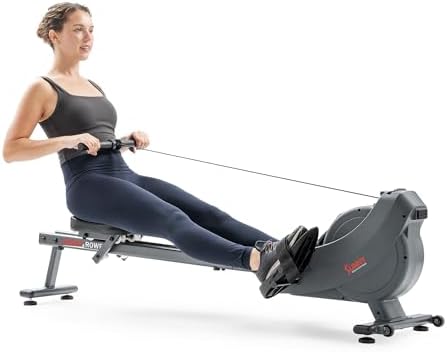
Sunny Health & Fitness Smart Magnetic Rower, Compact Quiet & Smooth Rowing Machine for Full-Body Cardio Exercise, Free SunnyFit Training App Connection
A compact magnetic rower with a free connection to the SunnyFit training app, positioned for full-body cardio in a small space.
Visit on AmazonPrices and availability may change. Check the retailer for current details.
How these products were compared
Every machine in this guide was compared on the same five points: resistance type and how the stroke loads through the drive, the monitor and the data it actually displays, the seat and rail assembly, footprint and storage method, and app or programming support.
Resistance type comes first because it shapes everything else. An air flywheel gets harder the faster you pull, which is why it feels like a boat and why it makes noise. A magnetic brake gives you a resistance setting you choose and a stroke that stays consistent at any pace. Neither is automatically better; they suit different rooms and different goals.
The monitor is the second filter. A monitor that reports your split, meaning your time per 500 meters, gives you an honest pace number you can train against. A monitor that only reports time, count, and calories gives you a session summary and nothing to improve on.
Seat and rail feel is the third. A seat that rolls clean and quiet tells you the rail is straight and the rollers are sized correctly. A seat that clicks or wobbles is a warning sign, and it rarely fixes itself.
Storage and footprint come next, because a rower you cannot put away is a rower you will stop using. Finally, app support matters for anyone who needs structure, since a free training app can replace a coach's voice on the days you do not want to think about programming.
Product names, images, and retailer links are matched to the exact product listing so that every card points to the product shown. Prices and availability change, so confirm current details on the retailer page before ordering.
How to choose the right rowing machine
Start with the room, not the machine. Measure the floor space where the rower will live, then add clearance behind it for the finish of the stroke and above the seat for mounting and dismounting. If that number is tight, a folding magnetic rower earns its place, but only if you will genuinely fold it after each session. A rower that folds once and never unfolds again is just a heavy object with a hinge.
Next, decide between air and magnetic resistance. Air rowers like the Concept2 RowErg change resistance with your effort, so a hard ten strokes feel hard and a recovery pace feels light. The damper setting adjusts how much air the flywheel moves, and it is not a difficulty dial, it is a feel dial. Most people set it too high, then wonder why their back hurts and their split is slow. Magnetic rowers like the Merach Q1S, the YOSUDA model, and the Sunny Health & Fitness rower give you numbered resistance levels and a stroke that stays constant. For steady-state work, intervals at a controlled effort, or a shared wall with a neighbor, that consistency is the point.
Then look hard at the monitor. If the display shows your split and your stroke rate, you can run a real session: twenty minutes steady, then six by one minute hard with a minute easy between. If the display only shows calories, treat it as a rough activity log rather than a training tool. The calorie readout on any rowing machine is an estimate, and chasing it is a good way to row badly and call it progress.
Two more details decide long-term satisfaction. First, the seat and rail: check that the rail is one continuous piece or a properly joined pair, because a rail that flexes in the middle will announce itself with a click every stroke. Second, the capacity and adjustability: a machine rated to 350 lb, like the folding model in this guide, is built for a wider range of users, and footrest adjustability matters more than most buyers expect, because your drive starts at the catch and a loose foot placement wastes the first third of every stroke.
If you want a deeper look at pacing, stroke rate, and how to structure intervals on a home rower, our damper and split guide walks through the settings and the session formats.
Concept2 RowErg Indoor Rowing Machine
The Concept2 RowErg Indoor Rowing Machine is the machine the rest of this list gets compared to. It uses air resistance with an adjustable damper, so the stroke loads up as you push harder, and the PM5 monitor reports split, stroke rate, and pace alongside a device holder for a phone or tablet. The frame separates for storage, which is how a machine this long fits into a normal apartment.
What makes it the top pick is not one feature but the combination: a performance monitor worth training against, a resistance feel that matches what you would find on the water, and a design that has been refined over decades rather than seasons. It is also the machine you are most likely to find in a gym, a boathouse, or a competition, which means the numbers you produce at home are comparable to numbers produced anywhere else.
The trade-offs are real and worth stating plainly. An air flywheel is loud compared to a magnetic rower, so a shared wall or a sleeping household is a genuine consideration. It occupies meaningful floor space even when stored upright or split. And it is the most expensive machine in this guide. If quiet operation, a compact footprint, or a low entry cost matter more to you than matching a gym erg, the magnetic options below are the better fit.
Alternatives to consider
The Merach Q1S Magnetic Rowing Machine Indoor, Dual Slide Rail, Quiet & Smooth is better suited to apartment rowers and anyone who wants a consistent magnetic stroke on a dual rail frame, while the Merach RS3 Scull Rowing Machine for Home, Simulate Real Row, Ergonomic Seat is a stronger fit when you want the machine to mimic a real rowing stroke and you care about seat comfort over competition-style data.
The Rowing Machine for Home, 350 LB Capacity model, the YOSUDA Rowing Machine for Home, and the Sunny Health & Fitness Smart Magnetic Rower cover the practical end of the category. The 350 lb folding machine brings a high weight capacity, 16 levels of silent resistance, and app support in a compact footprint. The YOSUDA rower keeps things simple with 16 levels of magnetic resistance. The Sunny Health & Fitness machine pairs a compact magnetic frame with a free connection to the SunnyFit training app, which is useful if you want guided sessions without adding a subscription to your monthly costs.
Day-to-day use and maintenance
Magnetic rowers are the low-maintenance option. There is no fan to dust and no chain to oil, and the resistance mechanism is sealed away from sweat and dust. Wipe the rail and the seat rollers after sessions, and check that the seat still rolls without a click. If it starts clicking, look at the rollers and the rail joint before you blame the machine.
Air rowers need a little more attention. Follow the manufacturer's instructions for the chain and flywheel, keep the damper lever moving freely, and store the machine where dust will not settle into the housing. Do not improvise with lubricants; the manual exists for a reason.
Technique is the part no machine can do for you, and it is where most home rowers lose their results. Slow the stroke down. Drive with the legs, then swing, then pull. Feel the catch, where the handle is closest to the flywheel, and the finish, where your legs are flat and the handle is at your ribs. Most form breakdowns happen at those two points, and a machine with a good monitor will show you the split penalty immediately.
One safety note that applies to every machine here: set up the footrests so the strap crosses the ball of your foot, not your toes, and stop a session if you feel lower back strain rather than leg fatigue. If a folding rower's hinge or latch ever feels loose, stop using it until you have checked it against the manual.
Buying checklist
- Measure the floor space plus clearance behind the machine for the finish of the stroke.
- Choose air or magnetic resistance based on normal use, not an occasional edge case.
- Confirm that the exact model includes the monitor features you need, especially split and stroke rate.
- Check the weight capacity and footrest adjustability against the people who will use it.
- Read the cleaning and maintenance instructions before the machine arrives.
- Verify the current retailer price, availability, and return terms.
Final recommendation
Choose the Concept2 RowErg Indoor Rowing Machine - PM5 Monitor, Device Holder, Adjustable Air Resistance, Easy Storage when you want the standard indoor rowing machine, a monitor worth training against, and air resistance that responds to how hard you pull. Choose the Merach Q1S Magnetic Rowing Machine Indoor, Dual Slide Rail, Quiet & Smooth when quiet operation, a magnetic stroke, and a shared living space matter more than gym-comparable numbers, and consider the folding 350 lb model or the Sunny Health & Fitness Smart Magnetic Rower when space and app-guided sessions are the deciding factors.