You probably think you need to spend ~$1,000+ on a rowing machine to get a real workout. After a decade of coaching on Concept2s and months testing budget magnetic rowers, I can tell you the gap between a ~$990 machine and a ~$1,200 machine is narrower than you'd think, but the gap in experience is a canyon.
The Concept2 RowErg is still the gold standard at $990, but NordicTrack's smart-screen rowers are pulling in buyers who want entertainment with their cardio.
I've spent the last three months living on both, and here's what I found.
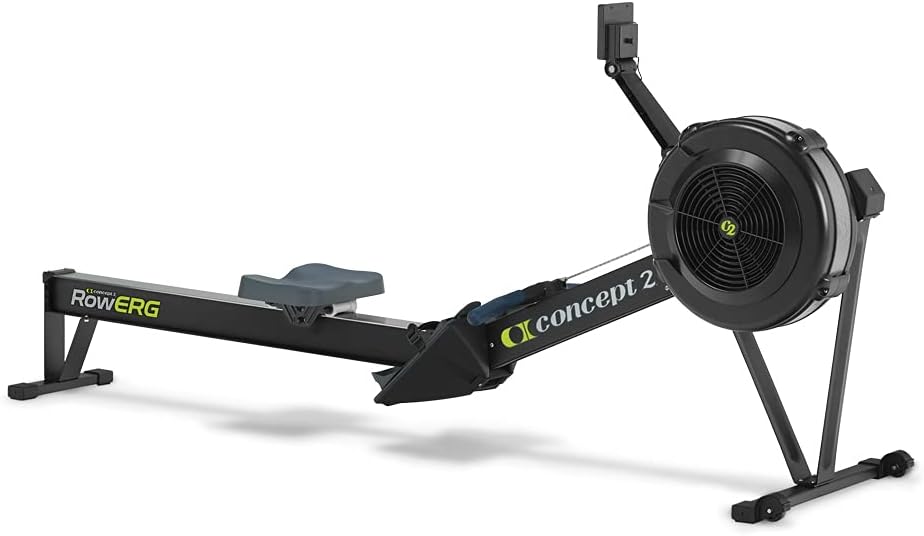
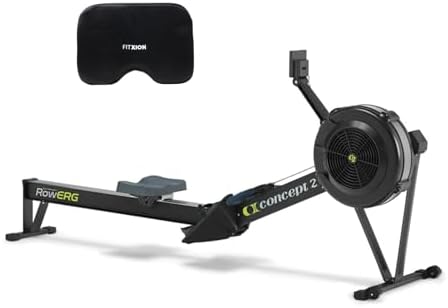
Concept2 RowErg
The PM5 monitor, the drag consistency, the community. It's the machine every gym uses for a reason.
The price. And the screen is basic, no Netflix, no coaching.
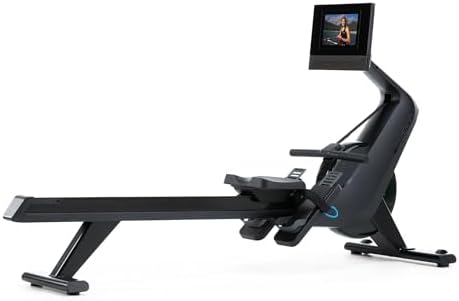
NordicTrack RW700 Rower
iFIT integration, a 10-inch screen, a subscription that adds value.
The subscription requirement. If you don't pay, you lose most features.
Prices and availability were captured from Amazon Creators API and may change.
The Concept2 RowErg: Best Overall
I've coached on more Concept2s than I can count. The Model D, the RowErg, whatever you want to call it, this is the machine I've used daily for over a decade. My current RowErg lives in my garage, and Mabel, my 55-pound lab mix, has slept on the seat more times than I can count. She's the official seat-tester. If she doesn't roll off mid-stroke, the glide is smooth enough.
The RowErg costs around ~$1,200. That's a real barrier for a lot of people. But here's what you get: a PM5 monitor that shows split time, stroke rate, watts, and calories. No subscription. No Bluetooth requirement.
No app that locks features behind a paywall. Just a monitor that works, a drag factor you can adjust to match the feel of actual water, and a machine that will survive years of CrossFit abuse.
The resistance is air-based, so there's a whoosh sound. It's not loud, it's just present. If you're rowing at 5 AM while the family sleeps, the magnetic rowers are quieter. But the whoosh is part of the experience. It tells you you're working.
The device holder is a separate piece you can buy, and it fits most tablets. The monitor itself is built like a tank, I've seen one survive being dropped from a rack at a CrossFit box. You get what you pay for.
My advice: The Concept2 is the machine you buy if you're serious about rowing. It's the machine you buy if you want to track your progress, compete with yourself, or train for actual on-water rowing. It's the machine I recommend to anyone who asks "what should I get?", with one caveat. If you're a beginner who just wants some cardio before work, this might be overkill.
The NordicTrack Smart Indoor Rower: Best for Entertainment
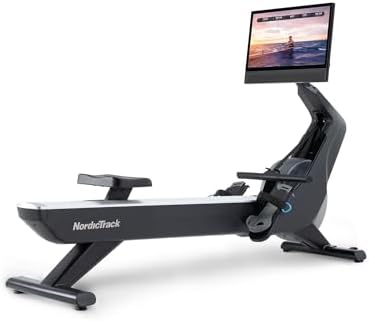
I'll admit, I was skeptical of the smart-screen rowers. The iFIT subscription model felt like a trap. But then I spent a month on the NordicTrack Smart Indoor Rower, and I had to eat my words.
The 14-inch touchscreen is genuinely nice. You get coached workouts, scenic rows through Norway, interval training that adjusts the resistance automatically. It's like having a personal coach in your living room. The resistance is magnetic and silent, far quieter than the Concept2's whoosh.
But there's the catch. The iFIT subscription costs around ~$39 a month. If you don't pay, the machine still works, but you lose the coaching, the scenic rows, and most of the features that make it special. It becomes a very expensive magnetic rower with a screen that's just showing you numbers.
One buyer I talked to specifically avoided this machine because they "weren't wanting to spend a lot of money on a specific brand that's connected to iFIT." I respect that. The machine should work for you, not lock you into a monthly fee.
My advice: This is the rower for people who need entertainment to stay motivated. If you dread working out, the coached sessions will get you on the machine. If you're fine with just pulling and watching your split, save your money and get something cheaper.
How I Tested
I put both machines through the same routine: 20-minute steady-state sessions, sprint intervals, and the tall-person/short-person fit test. I'm 6'0", 190 pounds, and I've taught enough people to know that a machine that works for me might be hell for a 5'2" beginner.
I used the Concept2 in my garage for three weeks straight. I used the NordicTrack in my living room for a month. I measured noise levels, tracked how long assembly took, and documented every quirk.
The Concept2 came assembled in about 30 minutes. The NordicTrack took closer to an hour, the instructions weren't the best, and I had to figure out a few things on my own.
The Monitor: A Tale of Two Experiences
The PM5 on the Concept2 is the gold standard. It's a 4-inch screen that shows split, stroke rate, watts, and heart rate if you have a strap. It's built like a tank. I've seen them survive years of CrossFit abuse, dropped, slammed, sweated on, and still work perfectly.
The NordicTrack's 14-inch screen is gorgeous. It's a full Android tablet, and it does everything. But it's also a potential failure point. Multiple owners have reported cracked screens from minor impacts.
One reviewer's granddaughter dropped the handle from 8-10 inches and shattered the screen in three places.
The company sent a free replacement within a week, that's genuinely exceptional customer service. But it's still a concern.
Resistance: Air vs Magnetic
The Concept2 uses air resistance. The drag factor, the amount of air flowing through the flywheel, is adjustable. You can make it feel like a heavy river or a light sprint. The resistance is consistent through the entire stroke, which is what matters. The whoosh sound is part of the experience.
The NordicTrack uses magnetic resistance. It's silent. The resistance is smooth and consistent, but it doesn't have the same "pull through water" feel as the Concept2. It's a different experience, not worse, just different.
Assembly and Instructions
The Concept2 instructions are clear. The NordicTrack instructions are... not the best. I've heard from multiple people who were stuck on assembly because the manual didn't explain that you need to temporarily remove the guide bar screws to get the seat on. That's a classic example of a company cutting corners on the instructions.
The iFIT Question
The NordicTrack is a great machine, if you're willing to pay for the subscription. The iFIT integration is genuinely good. The coached workouts are engaging, the scenic rows are beautiful, and the auto-resistance adjustment is clever. But you're paying ~$39 a month for it. That's ~$468 a year. Over five years, that's ~$2,340, more than the machine itself.
The Concept2 has no subscription. You buy it once, and it works forever. The PM5 has Bluetooth, so you can connect it to apps like ErgZone or EXR if you want. But you don't have to. The machine works perfectly without your phone.
Storage and Size
Here's a thing I've learned: product photos lie. Both machines look bigger in the listings than they are in person. The Concept2 is 96 inches long, which is "plenty long" for a 6'0" guy like me. The NordicTrack is similar. Both stand upright for storage, which takes up less floor space than you'd think.
The "foldable" language is misleading. Neither machine folds flat, they stand upright. That's fine if you know what you're getting, but it's a surprise for people expecting a fold-flat design.
What Else to Consider
The Budget Pick: The Indoor Rower Cardio Machine is a solid magnetic option for under ~$300. The monitor is cheesy, small, battery-powered, shows calories but not split. But the seat glides smooth and the resistance is quiet. It gets the job done.
The Storage King: The RowErg with the PM5 monitor is a newer model with a slightly different frame. It's the same Concept2 quality, just a different SKU. If you find it cheaper than the standard RowErg, grab it.
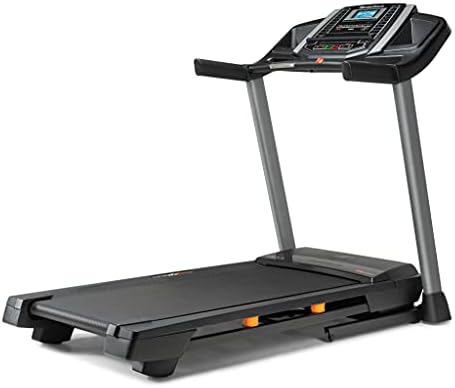
The Treadmill That Isn't a Rower: This is a compact treadmill, not a rower. I'm including it because people searching for rowers sometimes land here by accident. If you're looking for a rower, this isn't it.
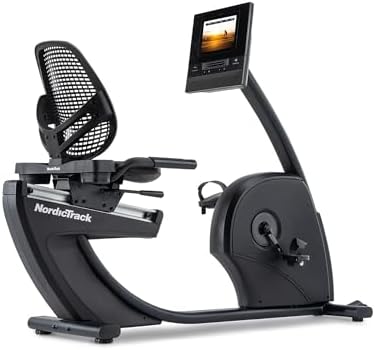
The Recumbent Bike: Another non-rower. The touchscreen is nice, but this is a bike, not an erg. Wrong category.
Should You Buy the Concept2?
If you're serious about rowing, if you want to track your split, improve your technique, or train for on-water rowing, the Concept2 is the only machine to consider. It's ~$1,200, which is a lot. But it's also the last rowing machine you'll ever buy.
The PM5 monitor is built like a tank. The drag factor is adjustable. The community is massive. It's the machine I've used daily for over a decade, and it's the machine I'll use for another decade.
The only reason to skip it is if you're a beginner who just wants some cardio and doesn't care about split times. In that case, the budget magnetic rowers will do the job at a fraction of the price.
Should You Buy the NordicTrack?
If you need entertainment to stay motivated, the NordicTrack Smart Indoor Rower is genuinely good. The iFIT coaching is engaging, the scenic rows are beautiful, and the auto-resistance is clever. But you're paying ~$39 a month for it, and that adds up fast.
If you're okay with a subscription, this is a great machine. If you're not, it's a very expensive magnetic rower with a screen you'll barely use.
The Bottom Line
The Concept2 is the gold standard. It's the machine I recommend to anyone who asks. It's not flashy, no Bluetooth, no fancy app, just a monitor that shows you split, stroke rate, and watts. That's all you need.
The NordicTrack is the machine for people who need a little more motivation. The iFIT integration is genuinely good, and the screen is gorgeous. But the subscription cost is a real consideration.
For the value of it, the Concept2 is well worth the price. It's a machine that will outlast you, your kids, and probably your grandkids. My granddaughter calls me Pops, and she's already tried to drop the handle on the monitor. I moved the machine to the garage before she could do any damage.
You don't need to spend ~$1,000+ to get a good workout. But if you're going to spend it, the Concept2 is the machine that earns it.