I learned to row on the water in college, then spent the better part of a decade teaching adults to row indoors, which means I have watched an unreasonable number of first strokes. The machine almost never decides whether someone comes back for a second session. The first ten minutes do.
That is the lens I use when a friend asks me about a magnetic rowing machine for home. So this is a comparison of four things that solve four different problems, and one of them is not a rower at all. It is the bottle of chain oil that keeps a chain-drive machine from becoming a rust experiment. I will get to why that belongs in a buying conversation, but it does.
Related: Rowing Machine Setup Guide For Small Apartments
The pick here for most homes is the YOSUDA magnetic rower, because it is the machine you will still use on a Tuesday night when the couch is winning. That is not a knock on the YOSUDA PRO or the NordicTrack RW700. It is a statement about friction, and friction is what kills home fitness gear. The rest of this article explains where each of these four items fits and where I would tell you to look elsewhere.
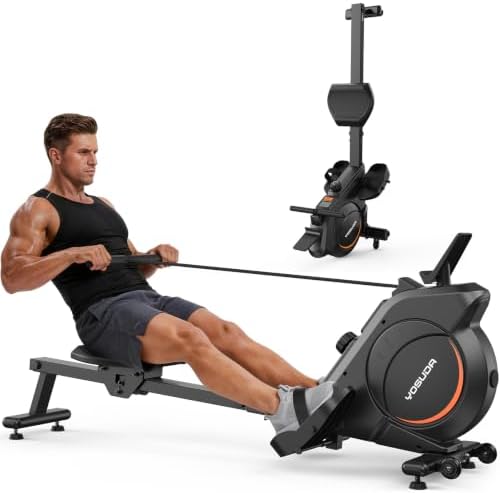
YOSUDA Rowing Machine for Home, Magnetic Rower with 16-Level Resistance
Quiet, simple, and easy to keep in a corner, so it gets used on low-motivation days
Magnetic resistance never feels like an air flywheel, and the low settings are soft
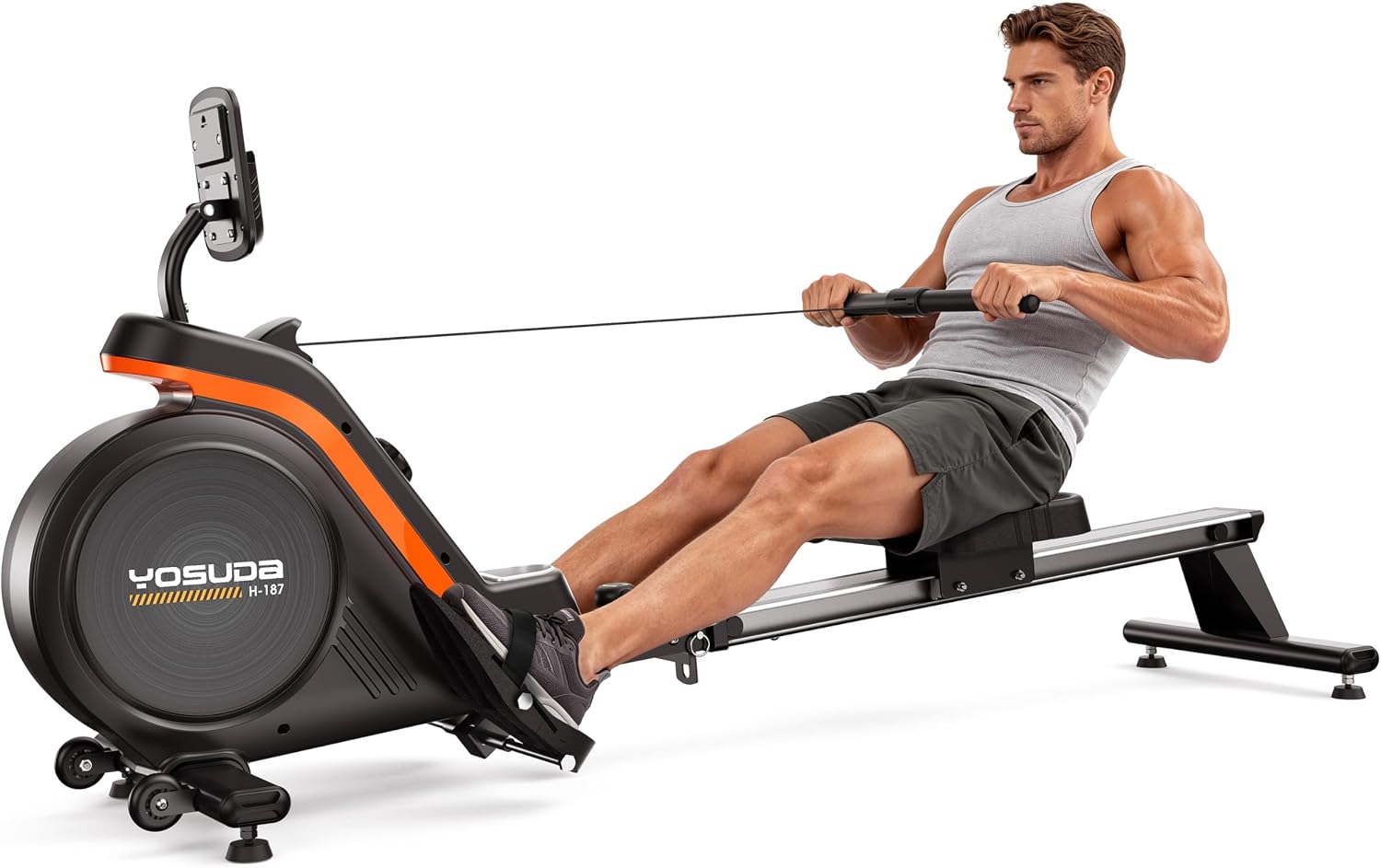
YOSUDA PRO Magnetic Rowing Machine for Home Use-Foldable Rower with 400lbs Weight Capacity and 16 Level Resistance
Higher weight capacity and a foldable frame for shared rooms and bigger households
A folding rail is a joint, and joints are where cheap rowers develop flex
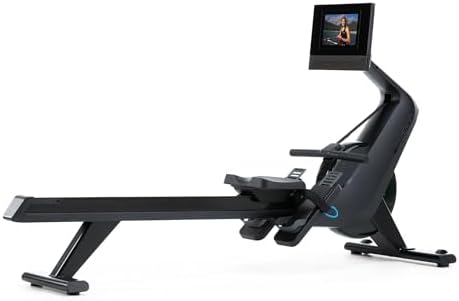
NordicTrack RW700 Rower
The screen-and-class tier, where the machine tells you what to do instead of the other way around
The subscription is the real cost of ownership, and it takes up a real footprint
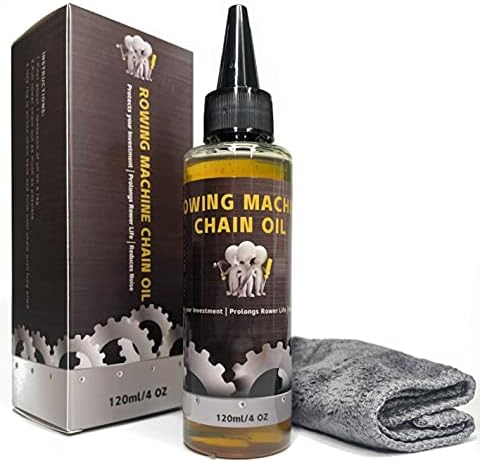
TreadLife Fitness Concept 2 Rowing Machine Chain Oil
Cheap insurance for any chain-drive rower, compatible with Concept 2 Models A through E
It is not a rower, so it does nothing for anyone on a magnetic machine
Prices and availability were captured from Amazon Creators API and may change.
How I judge a rower before I recommend it
I run four questions on every machine I sit on, and they have very little to do with spec sheets.
First, does the resistance feel consistent through the whole stroke? A good rower loads up at the catch, stays smooth through the drive, and unloads at the finish. A bad one has a dead spot where your legs are strongest, which is exactly where you want feedback. Magnetic rowers tend to be very consistent but very flat. Air rowers load harder the faster you pull, which is why they feel alive.
Second, does the monitor show split, meaning time per 500 meters? This matters more than people think. Calories on a rowing monitor are a guess dressed up as data. Split is honest. If a machine only gives you time, count, and a calorie number, you are rowing blind, and you will stop improving within a month because you have nothing to chase.
Third, does the seat roll smoothly and quietly on the rail? A seat that clicks is a machine telling you something. Usually it is a cheap roller or a rail that is not quite straight, and it will get worse, not better.
Fourth, would I put a beginner on it without hovering? That is the real test. If a new rower can find the catch and the finish without me narrating every stroke, the machine is doing part of the teaching.
The YOSUDA magnetic rower: the quiet default
The YOSUDA magnetic rower is the one I would hand to most people, and I want to be honest about why, because my own bias runs the other direction. I am an air-rower person. I think magnetic resistance, at its worst, feels like stirring soup. Sixteen levels of magnetic resistance will never replicate the way a flywheel bites when you accelerate.
Here is what changes my mind: most home rowers do not need a flywheel. They need a machine that is quiet enough for a shared wall, light enough to move, and simple enough that there is no excuse not to sit on it. The YOSUDA checks those boxes. Sixteen levels gives you enough range to warm up easy and still find a setting that makes a 20-minute piece feel like work.
The trade-off is real and I will not hide it. On the lowest settings, the resistance is soft enough that you can fake the stroke with your arms, and faking it is the fastest way to hate rowing. My rule for any magnetic machine is to keep it in the middle of the range and drive with your legs. If the resistance feels too easy, that is not the machine's fault. Move the dial up.
There is also a monitor question on every machine in this price band. Use it for time, count, and consistency. Do not build a training plan around a calorie readout, no matter what the marketing says.
The YOSUDA PRO: the foldable one with more capacity
The YOSUDA PRO magnetic rower is the same basic idea with two differences that matter to a specific kind of household: a 400 pound weight capacity and a foldable frame.
If you are a bigger rower, or you share the machine with someone who is, the capacity rating is not a marketing line, it is a stability question. A rail that flexes under load will make the seat feel like it is fighting you, and it will make the catch feel vague.
The folding part is where I get cautious. I have a long-standing grudge against rowers that fold but never unfold again, because folding is only useful if the setup and takedown takes seconds. A foldable rail is a joint, and joints are where inexpensive rowers develop play over time. If you need to fold it after every session, look at how the joint locks before you buy. If you plan to fold it once and leave it up, buy for the rail and ignore the hinge.
Same 16 levels, same quiet magnetic feel, same advice about keeping the resistance in the middle of the range rather than at the bottom.
The NordicTrack RW700: when you want a coach on a screen
The NordicTrack RW700 Rower belongs to a different category of purchase. You are not buying a resistance mechanism here, you are buying into an ecosystem where the screen and the class library are the product and the rower is the delivery vehicle.
That can be a genuinely good deal. The single hardest part of home rowing is deciding what to do today. A machine that queues up a workout and talks you through it removes that decision, and for a lot of people, that is the difference between a rower and a clothes rack. Check the current listing for the screen details and the subscription terms, because those are the numbers that decide whether this purchase makes sense for you.
Two things to weigh honestly. First, the subscription cost continues after the purchase, so the total cost of ownership is higher than the sticker. Second, this machine takes up real space, and it is not the one you slide behind a door. If you are short on room, that matters more than the screen.
I will also say this as a coach: a screen can teach you pacing and give you structure, but it cannot see your sequencing. If you are new to rowing, spend two weeks on technique before you let a class set the pace for you.
The chain oil: the least exciting item here
The TreadLife Fitness chain oil is not a rower, and I want to be clear about that. If you buy a magnetic machine, you do not need it.
If you own or plan to own a chain-drive rower, including Concept 2 Models A through E, this is the maintenance item that separates a machine that lasts fifteen years from one that develops a gritty, noisy chain in year two. The chain is the part you hear and the part that wears. Oil is cheap. Replacing a chain is not.
This is the least glamorous thing in this comparison and the one I would actually put in the cart if there were an air rower in my basement. Maintenance is not a hobby. It is the reason the machine still feels good in year five.
The trade-offs I will not pretend away
Magnetic versus air is the central trade-off in home rowing. Magnetic machines are quieter, cheaper to build, and easier to live with in an apartment. Air machines load progressively, feel more like real rowing, and are loud enough that you will hear them through a floor. If you want the honest version: air feels better, magnetic gets used more in shared spaces. Those are different goals.
Monitor quality is the second trade-off, and it is the one most people ignore until they own the machine. A great frame with a monitor that only reports calories and time is a machine you will outgrow in a month, because there is nothing to improve against.
Space is the third. A rower is roughly seven feet long in use. Foldable designs help, but only if folding is genuinely quick, and only if you have somewhere to put it when it is folded. Measure the wall before you measure your enthusiasm.
Resale is the fourth, and it cuts in a specific direction. Machines with a strong community and a standard format hold value. Off-brand machines with no ecosystem sell for whatever the next person will pay, which is usually not much.
A technique note, because the machine is only part of it
Whatever you buy, the machine is maybe 20 percent of the workout. The other 80 percent is what you do on it, and the two places form breaks down are the catch and the finish.
At the catch, your shins come to vertical, your arms are straight, and your body is set. You are not reaching with your shoulders. You are compressing with your legs and letting the handle come to you. At the finish, your legs are flat, your body has a slight lean back, and the handle comes to the bottom of your ribs. Then the order reverses on the way back: arms, body, legs.
Slow the stroke down. A stroke rate in the low twenties will humble you faster than a high rate with sloppy sequencing, and it will teach you what consistent resistance actually feels like. The machine will do its job if you do yours.
Who should buy which
Buy the YOSUDA magnetic rower if you want a quiet, simple machine for steady state work in a shared space and you are honest with yourself about needing low friction to start.
Buy the YOSUDA PRO if a bigger rower is using it, or if the machine has to fold and live against a wall in a room that serves another purpose.
Buy the NordicTrack RW700 if structure is your problem, not motivation, and you are comfortable with an ongoing subscription as part of the cost.
Buy the TreadLife Fitness chain oil if you own a chain-drive rower, or you are about to, and you would rather lubricate a chain than replace one.
What I am watching next
The 2026 lineup keeps pushing screens and subscription content into lower price brackets, and I think that is the story of the year, for better and worse. A screen can make a mediocre machine feel like a program, and it can also hide a rail that does not roll well. When you test a machine in a store or in your living room, spend the first ten minutes with the screen off and your eyes closed. If the resistance feels smooth and the seat is silent, the hardware is good. Then turn the screen on.
That order is the whole method. Hardware first, content second, and maintenance on a schedule rather than when something starts squeaking.