How To Clean A Water Rowing Machine
Related: How to Use a Rowing Machine: The Stroke, Taught Properly
My garage has a Concept2 Model D in it, and I love that machine. But a couple of years ago, I started eyeing water rowers for the house, mostly because they're quieter, they look better in a living room, and the resistance feels more like actual water.
I ended up picking one up and using it on and off for about 18 months now. And here's the thing nobody tells you: water rowers are gorgeous, but the tank is a magnet for dust, mineral deposits, and whatever funk floats off you mid-workout.
So if you're wondering how to clean a water rowing machine without wrecking it, I've done the trial and error so you don't have to. This is everything I've learned from living with one, plus what other owners have figured out the hard way.

WaterRower Rowing Machine with S4 BLE Monitor | USA Made Water Rower | Original Handcrafted Erg Row Machine for Home Use & Gym
Quiet, real wood, easy to drain tank
Visit on Amazon →
meross WiFi Water Timer for Garden Hose, Rain Skip, Remote Control, IP65
Bluetooth, app sync, solid build
Visit on Amazon →
Echelon Row Series – Foldable Rowing Machine for Full-Body, Low-Impact Workouts with 22” Rotating HD Screen, Built-In Soundbar, Bluetooth Resistance & 30-Day Membership with Live Classes
Budget-friendly, folding frame
Visit on Amazon →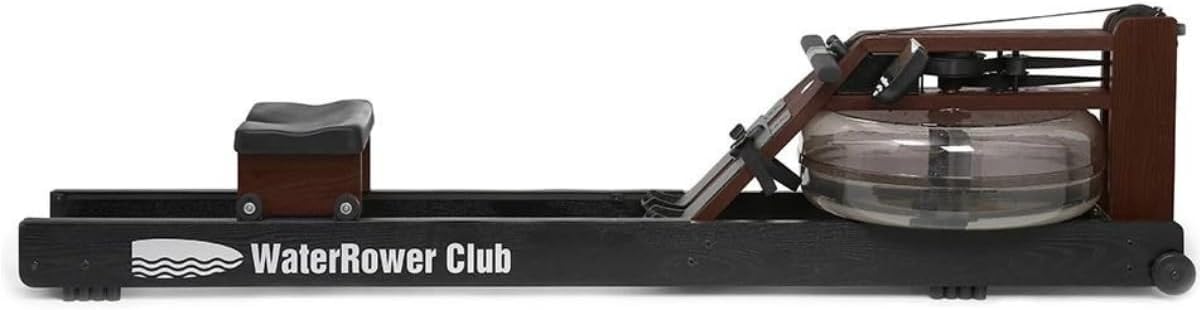
WaterRower Club Rowing Machine with S4 BLE Monitor | USA Made Water Rower | Original Handcrafted Erg Row Machine for Home Use & Gym
Cheap entry point, surprisingly smooth
Visit on Amazon →Why Water Rowers Need a Different Cleaning Approach
Air rowers (Concept2, etc.) have a flywheel you can wipe down. Magnetic rowers have basically nothing to clean inside. Water rowers? They have a literal tank of water sitting in your living room, and that water does things over time.
In hard water areas, you'll see white calcium buildup on the tank walls within a few months. Dust settles on the water surface because nothing is covered. If you don't treat the water, you can get algae.
And the belt that connects the handle to the flywheel (the recoil belt, the same one people call a bungee on cheaper rowers) gets sweaty.
The wood rails on most water rowers need oiling every few months or they start to look tired.
This isn't a wipe-down-and-go machine. It's more like owning a small aquarium that you also exercise on.
The Cleaning Kit I Actually Use
I keep it simple. A small bottle of unscented chlorine bleach (or water purifier tablets from the camping aisle), a microfiber cloth, a soft-bristle brush, a small bucket, and a bottle of food-grade mineral oil for the wood. That's it. No special kits, no $40 "official" cleaning bundles.
Owners who've been at this longer than me use chlorine tablets meant for hot tubs or pools, the kind you toss in a skimmer. One owner told me they use two tablets per tank refill, and their tank stays clear for six months between changes. I do roughly the same.
Draining The Tank
Every water rower drains differently. On my rower, there's a small plug at the back that you pull out, then you tip the whole tank over a bucket. It's awkward, and I spill roughly a quarter of it on the garage floor every time. Plan accordingly.
The WaterRower Natural has a siphon pump built in. You squeeze a bulb, the water comes out into a bucket. Much cleaner. If you're buying new and care about maintenance, this is worth factoring in.
The Echelon Row-S? The tank sits under the seat and there's no easy way to get to it without flipping the whole machine. Owners complain about this constantly. "Almost impossible to drain," one buyer wrote, and I can't disagree after watching a buddy wrestle with one.
Cleaning The Tank Interior
Once the tank is empty, I pour in a mix of water and a splash of bleach (maybe a tablespoon per gallon), swish it around, let it sit for ten minutes, then drain. The microfiber cloth goes in next to wipe down the inside walls. For calcium buildup, a soft brush works. Don't use anything abrasive. The tank walls are acrylic or polycarbonate and they'll scratch.
One thing I've learned: never leave bleach sitting in the tank undiluted. I did this once because I got distracted. The tank was fine, but the smell lingered for three days and I rowed with a headache for a week. Dilute it.
The Wood Rails (If You've Got Them)
Most water rowers in the $700+ range use real wood. Ash, oak, cherry, depending on the model. It looks beautiful, but it dries out, especially in winter when the heat is running. Food-grade mineral oil, applied with a clean cloth, every three to four months. Wipe with the grain. Let it soak for 20 minutes, then buff off the excess.
I skipped this for about six months on mine and the rail started looking gray and thirsty. One coat of oil brought it right back. Now it's part of my routine.
The cheaper water rowers use aluminum rails or plastic. Less to maintain, but they also don't age well. They scratch, they bend, and they don't look like anything.
The Recoil Belt And Handle
The recoil belt (the strap that pulls the flywheel) is the part you touch every stroke. It absorbs sweat, hand oils, and whatever else. I wipe mine down with a damp microfiber cloth after every session. Takes ten seconds. Once a month, I spray a little diluted rubbing alcohol on it and let it air dry. Keeps it from getting funky.
The handle? Same treatment. Damp cloth after workouts. The plastic handles get grimy fast, and if you let it go, you'll feel it in your grip on long sessions.
The Monitor
Most water rowers come with a basic monitor that shows split, stroke rate, distance, and watts. The screens aren't huge. They're functional. Mine is about 2.5 inches square, similar to what you'd find on a $200 magnetic rower, but sturdier.
Wipe with a dry microfiber. If it's really grimy, slightly damp, never wet. And never spray cleaner directly on it. One owner I know sprayed Windex on his monitor and watched the screen fog from the inside. He had to replace the unit.
Chlorine Vs. Alternatives
The big debate in water rower forums is chlorine vs. something natural. Chlorine works. It keeps the water clear, it kills algae, and one treatment lasts months. The downside is the smell, and if you're sensitive to it, it can bother your sinuses during a hard row.
Alternatives exist. Some owners use hydrogen peroxide. Others use those water purifier tablets I mentioned earlier, the camping kind. They work but they're slower. I've stuck with chlorine because I don't want algae, and I don't want to drain and refill the tank every month.
One buyer I trust told me he tried a "natural enzyme" tablet and his tank turned green within three weeks. So maybe don't do that.
How Often Should You Actually Clean?
Here's my schedule, and it's worked fine for 18 months:
Daily: Wipe handle and recoil belt. Weekly: Quick wipe of the tank exterior, dust the rail. Monthly: Check water clarity, top off with a little fresh treated water if it's down. Every 3-4 months: Oil the wood rail. Every 6 months: Drain, clean tank, refill with treated water.
If you row four or five times a week, that schedule holds. If you're a daily grinder, you might want to drain every three or four months. One hardcore owner I know does it monthly because he rows two hours a day. That's overkill for most people.
The Water You Use Matters
Tap water is fine for most people. But if you're in a hard water area (high mineral content), you'll see buildup faster. I've had readers tell me they use distilled water, and it helps with the calcium issue, but it's a hassle to haul.
I use tap water, treat it with chlorine tablets, and drain every six months. It's not perfect, but it's manageable. If I lived somewhere with truly brutal water, I'd probably switch to distilled.
What NOT To Do
Don't use vinegar in the tank. Some old forum posts recommend it. It works for cleaning, but the smell lingers forever, and it can damage the seal on some tanks. Don't use abrasive sponges. Don't leave standing water in the tank for more than a year without treatment. And don't ignore the rail. The wood is the most expensive part of the machine to replace.
My Honest Take
I love my water rower. It's quieter than the Concept2 (no fan whoosh), it looks better in the room, and the resistance feels more like actual rowing. But it's also more maintenance than any other rower I own.
If you're someone who doesn't want to think about water treatment and tank cleaning, buy an air rower.
If you're willing to spend ten minutes a month on upkeep, a water rower is a fantastic machine.
The biggest mistake I see new owners make: they treat the water once and forget about it. Six months later, the tank is cloudy and the flywheel is sluggish. Stay on top of it. It's not hard, but it has to happen.
Which Water Rower Is Easiest To Clean?
If cleaning ease matters to you, here's my blunt take:
The WaterRower Natural is the easiest to maintain because of the built-in siphon pump. You squeeze the bulb, water comes out. No flipping, no wrestling. The wood rail is easy to oil. The recoil belt is accessible. It's not cheap, around $900, but you're paying for the design.
The WaterRower SmartClamp is the same machine with Bluetooth and app sync. Cleaning is identical. You're paying extra for the tech.
The Echelon Row-S is the hardest to clean of the ones I'd actually recommend. The tank is buried, draining is a pain, and the instructions don't help. It folds, which is nice for storage, but that folding mechanism adds complexity you don't need.
The MERACH is the budget pick at around $350. It's surprisingly decent for the money, but the tank is small, the instructions are rough, and you'll need to figure out your own cleaning routine because the manual doesn't really cover it.
For most people, I'd say: if you can afford the WaterRower Natural, buy it. The cleaning is easy, the machine is gorgeous, and it'll last 10+ years with basic care.
Final Thought
Water rowers are the most beautiful machines in the home fitness world. They also demand the most attention. If you treat the water, oil the wood, and wipe down the belt, you'll have a machine that lasts a decade and looks great doing it. If you neglect it, you'll have a cloudy tank and a sluggish flywheel within a year.
I don't regret buying mine. I just wish someone had told me about the chlorine tablets and the mineral oil before I figured it out the hard way.