I learned to row on the water at 19, then spent the next decade teaching adults to row on machines in a CrossFit box and a dedicated rowing studio. I have coached beginners on a $300 magnetic wobble-fest and on a Concept2 that refused to die, and the same thing happens on both: the machine is maybe 20 percent of the workout, and the other 80 percent is whether you keep showing up. This home rowing machine comparison covers three magnetic rowers that crowd the same search results, plus one product that is not a rower at all, and I will explain why it belongs here anyway.
Here is the uncomfortable part first. Magnetic rowers are not air rowers. Magnets resist a flywheel, so the machine does not get harder the way a fan does when you drive harder, and the stroke can feel smooth in a way that hides sloppy technique. If you want a number you can compare honestly against other people, an air rower is still the answer and I will keep saying that. But most people shopping in this range are not chasing a Concept2 ranking. They want something that folds, that does not wake the house, and that they will still climb onto in February. Judged that way, these three are worth a serious look.
Short answer: the Fitness Reality is the most useful of the three if you want Bluetooth and app workout tracking. The YOSUDA PRO is the one to look at if you are a heavier rower or short on floor space. The base YOSUDA is the simplest way in. The chain oil is for a machine that is not on this list.
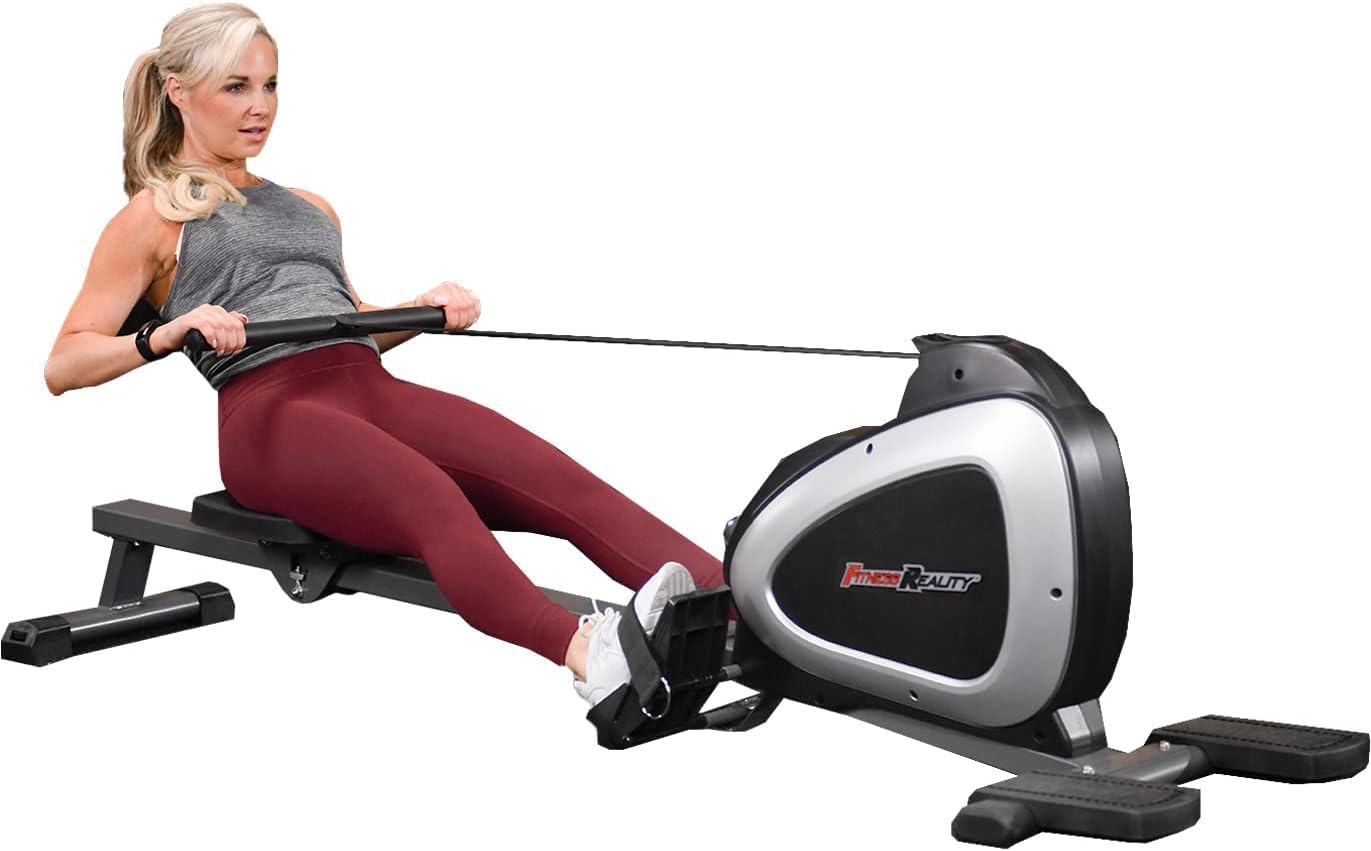
Fitness Reality Magnetic Rowing Machine with Bluetooth Workout Tracking Built-In, Additional Full Body Extended Exercises, App Compatible, Tablet Holder, Rowing Machines for Home Use
Bluetooth workout tracking, app compatibility, and a tablet holder make it the best feedback package of the three; extended full body exercises give it a second life off the rower
Magnetic resistance still feels like stirring soup next to a fan; app data is not the split-first experience a Concept2 monitor gives you
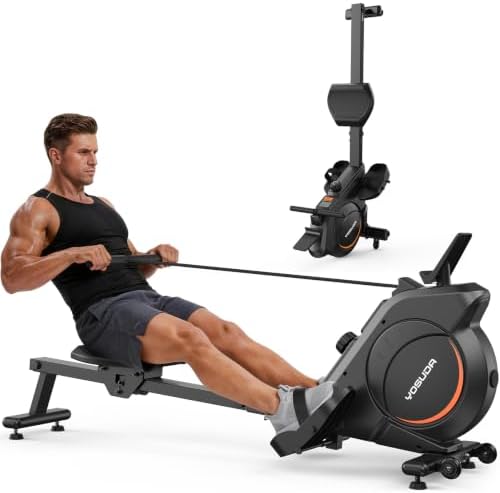
YOSUDA Rowing Machine for Home, Magnetic Rower with 16-Level Resistance
Sixteen levels of magnetic resistance covers everything from a warm-up to intervals; nothing to subscribe to and nothing to sign into
Sixteen levels is a lot of knob turning to find your working resistance; without a split-based monitor you train by feel
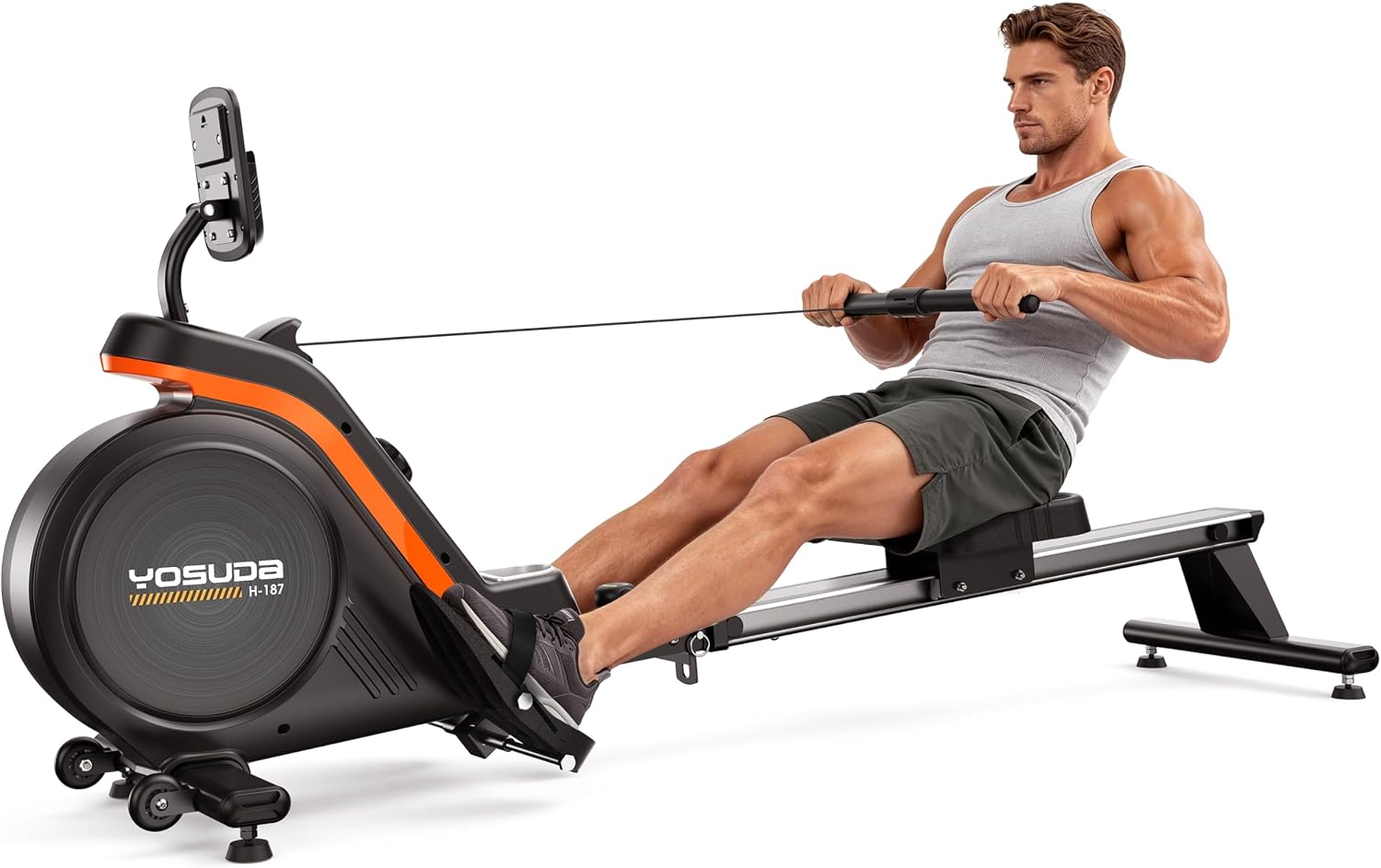
YOSUDA PRO Magnetic Rowing Machine for Home Use-Foldable Rower with 400lbs Weight Capacity and 16 Level Resistance
A 400 lb weight capacity and a foldable frame solve the two problems that kill home rowers: rail flex under a heavy rower, and no floor space
The fold is a feature most owners use twice, and it is still magnetic resistance at the end of the day
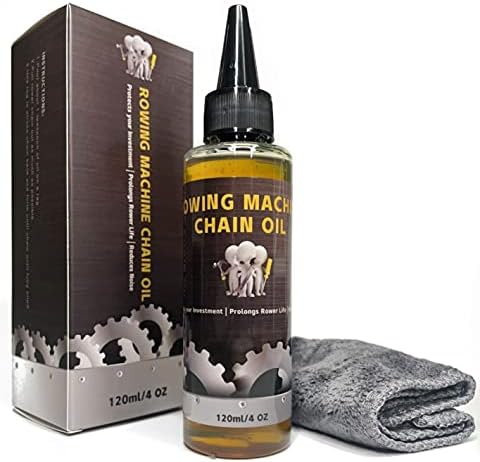
TreadLife Fitness Concept 2 Rowing Machine Chain Oil, Lubricates and Protects Rower from Rust and Dirt, Compatible with All Chain-Drive Rowers, Including Concept 2 Models A B C D E
Lubricates and protects a rower chain from rust and dirt, and it is listed for every chain-drive machine from Concept2 models A through E
It does nothing for any of the three magnetic rowers above, because none of them has a chain
Prices and availability were captured from Amazon Creators API and may change.
How I judge a magnetic rower
Four questions, in this order.
Does the resistance feel consistent through the whole stroke? A magnetic rower should not go light at the catch and heavy at the finish. If the drag changes through the pull, your body changes to compensate and you learn the wrong stroke.
Does the monitor show a split, or just calories? Split is time per 500 meters and it is the only number on a rowing monitor that means anything. Calories are a guess dressed up as data. A great machine with a dumb monitor is a clothes rack.
Does the seat roll smooth and quiet on the rail? You will hear a clicking seat before you feel it, and that click is the machine telling you the rollers or the rail alignment are wrong. That noise is why people stop rowing at month three.
Would I coach a beginner on it? If I would not put a new rower on the machine, the spec sheet does not matter.
I do not call any machine quiet without a decibel reading, and I have not put a meter on all three of these, so you will not read the word quiet in this article. I also will not pretend a magnetic rower replaces an air rower for training. It replaces the couch.
Fitness Reality Magnetic Rowing Machine with Bluetooth Workout Tracking
This is the one I would point a data-minded beginner toward, and the reason is in the name. Bluetooth workout tracking plus app compatibility means the machine can hand your session to your phone, and a tablet holder means you can see the workout while you row instead of propping a phone against a water bottle. The listing also bundles additional full body extended exercises, which is marketing language for "we know you might use this for something other than rowing."
The monitor is the part of a budget rower that usually gets ignored. A magnetic machine with sixteen resistance levels and no useful feedback is a machine you use by feel, and feel drifts. Bluetooth tracking at this level is not the same as a Concept2 with a PM5 and ErgData, and I am not going to pretend it is. But it is a real step up from a monitor that only counts strokes and estimates calories, and for a beginner learning to hold a steady rate, that step matters.
The honest criticism: magnetic resistance still feels like stirring soup compared to a fan, and it will not punish a sloppy drive the way an air rower will. Whether that is a feature or a flaw depends on what you want from the machine.
YOSUDA Rowing Machine for Home
The base YOSUDA is the machine I would hand to someone who is not sure they will stick with rowing and does not want to find out the expensive way. Sixteen levels of magnetic resistance is a wide enough range that almost anyone can find a level to hold for 20 minutes and a level that makes sprint intervals hurt. There is no subscription, no app account, no firmware update, nothing to sign into. You sit down, you pull, the flywheel spins.
The trade-off is feedback. Sixteen levels is a lot of knob turning to find your working resistance, and without a monitor that speaks in splits you are training by feel. That is fine for general fitness and frustrating for anyone trying to improve a number. I coach people on machines like this every week, and the ones who improve pick a level, set a stroke rate, and stop fiddling.
A technique note, because I do not talk about machines without one: on any magnetic rower, slow the stroke down. Beginners rate 30 strokes a minute because the resistance feels light, then wonder why their back hurts. Aim for 20 to 24, drive hard, recover slow. The resistance level is not a substitute for a strong drive.
YOSUDA PRO Magnetic Rowing Machine
The PRO answers the two questions the base model leaves open: will it hold me, and where will it live? The 400 lb weight capacity is the headline, and it is the number that matters for heavier rowers, because a rail that flexes under load is exactly what makes a cheap rower feel cheap. The foldable frame means it can live against a wall or behind a couch between sessions.
My honest note on folding rowers: the fold is a feature you use twice. Once when it arrives, and once when a guest sleeps in the room where it lives. If the fold is your main reason for buying, be honest about whether you will unfold it again, because a folded rower is a rower you are not using. If you have the floor space, leave it out. Machines you can see are machines you use.
Otherwise the PRO is the same proposition as the base model with a higher ceiling: sixteen levels of magnetic resistance, no subscription, and a frame rated for more weight. If you are over 220 pounds or you row hard, this is the YOSUDA I would pick.
The chain oil, and why it is in a magnetic rower comparison
The TreadLife Fitness chain oil is the odd one out and I included it on purpose. It lubricates and protects a rower chain from rust and dirt, and it is listed as compatible with all chain-drive rowers, including Concept2 models A, B, C, D, and E. If you own a Concept2 or any other chain-drive machine, this belongs in your maintenance kit. The chain is the part of a rower people forget until it starts skipping, and by then the damage is done.
Here is the part that matters for this article: it does nothing for the three magnetic rowers above. Magnetic rowers do not have chains. They have a flywheel, a belt or a cord, and magnets, and the maintenance they need is a wipedown of the rail and a check that the seat rollers are clean. If you clicked this comparison because you are shopping for a magnetic machine, the oil is not for you. If you already own a chain-drive rower and you are here because you row, take care of the chain. A machine you maintain is a machine you keep.
The trade-offs the bullet points leave out
Magnetic rowers trade honesty for convenience. The resistance curve is smoother, the machine is easier to live with, and it does not roar at you the way a fan does. But the monitor cannot tell you everything an air rower's monitor can, and the machine will not force you to fix a weak drive. If you want to be coached by the equipment, this is the wrong category.
All three of these share the same limit: they are entry-level tools for people whose first problem is not performance, it is consistency. That is not an insult. The best rowing machine is the one you actually use, and I have watched more people quit on expensive machines than on cheap ones, usually because the expensive machine made them feel like they were doing it wrong.
The other thing the bullet points leave out is technique. Light magnetic resistance encourages a fast, short, arm-heavy stroke, because that is what feels like work. It is not work. The work is in the legs, and the resistance should be high enough that you feel the catch but low enough that you can finish the stroke with your legs and not your lower back.
Which one would I actually buy
If you want the most training information for your money, the Fitness Reality, because Bluetooth workout tracking and a tablet holder turn a basic magnetic rower into something you can follow along with.
If you are a heavier rower, or you genuinely need to put the machine away, the YOSUDA PRO, because the 400 lb capacity and the fold solve real problems.
If you are testing whether you even like rowing, the base YOSUDA, because sixteen levels is enough to learn on and there is nothing to subscribe to.
If you already own a chain-drive rower, the chain oil, and nothing else in this article.
And if you read all of that and thought "I want the machine that tells the truth," save your money and buy an air rower. I will happily help you spend it.
What I am testing next
I keep a maintenance log on the machines in my studio, tracking rail wear and seat roller noise over months rather than days, because the seat is where cheap rowers fail first. I am also running the tall person and short person fit test on everything that comes through, because a rower that fits a 6 foot 3 rower badly will hurt a 5 foot 2 rower's back. That report is coming, and it will not be kind to the machines that deserve it.