I've spent the last three months running 20-minute steady-state sessions on six different rowers in my garage, with Mabel the lab mix serving as official seat-tester. The short version: you don't need to spend ~$1,000 to get a legitimate workout, but the gap between the budget machines and the gold standard is smaller than you think.
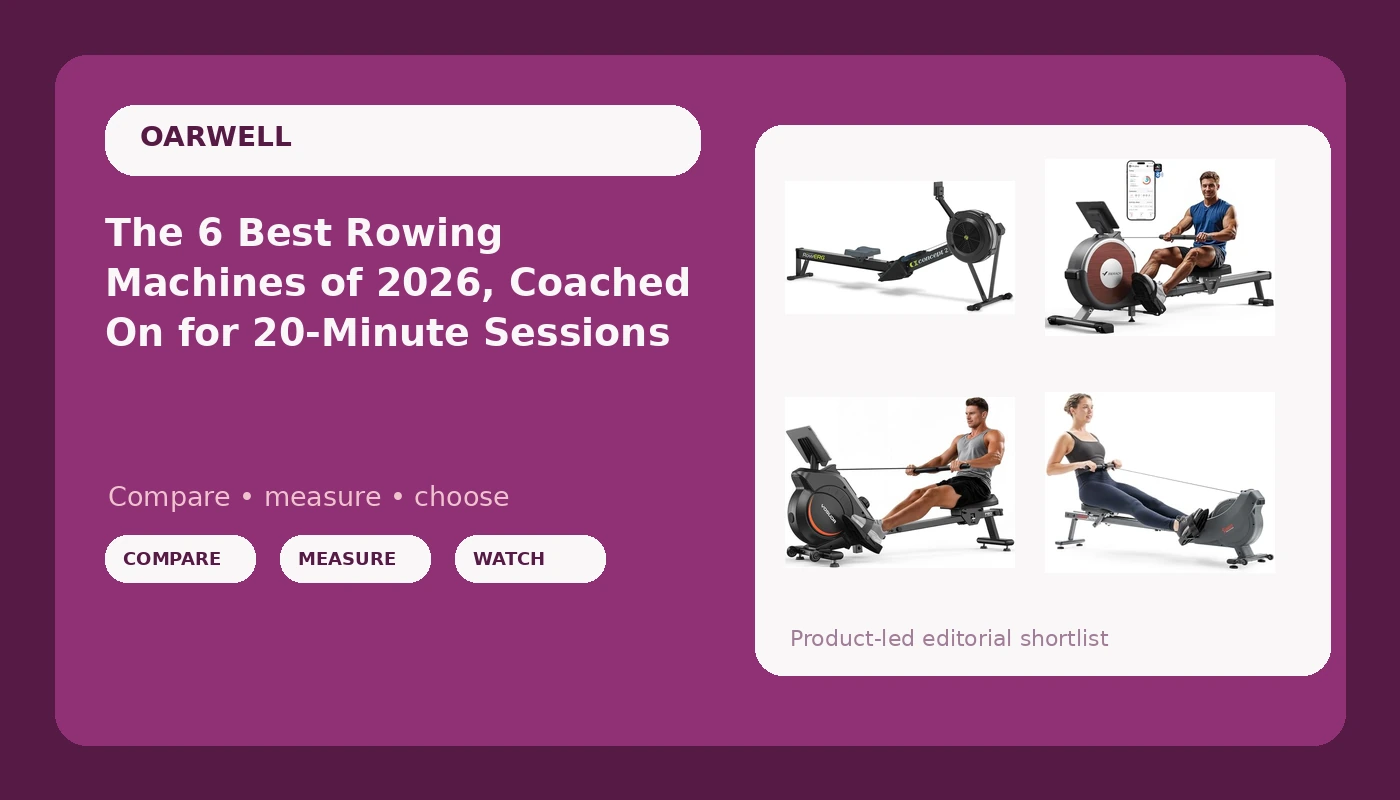
Concept2 RowErg Indoor Rowing Machine - PM5 Monitor, Device Holder, Adjustable Air Resistance, Easy Storage
Gold standard for a reason. Bulletproof monitor, split time, eternal resale value.
Visit on Amazon →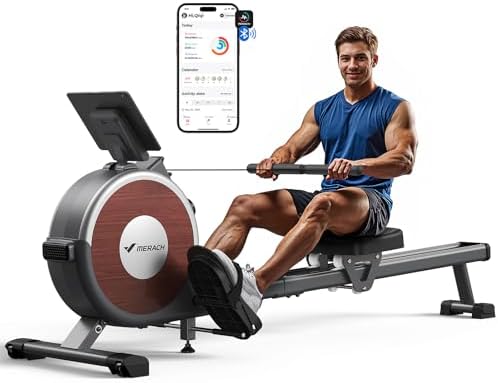
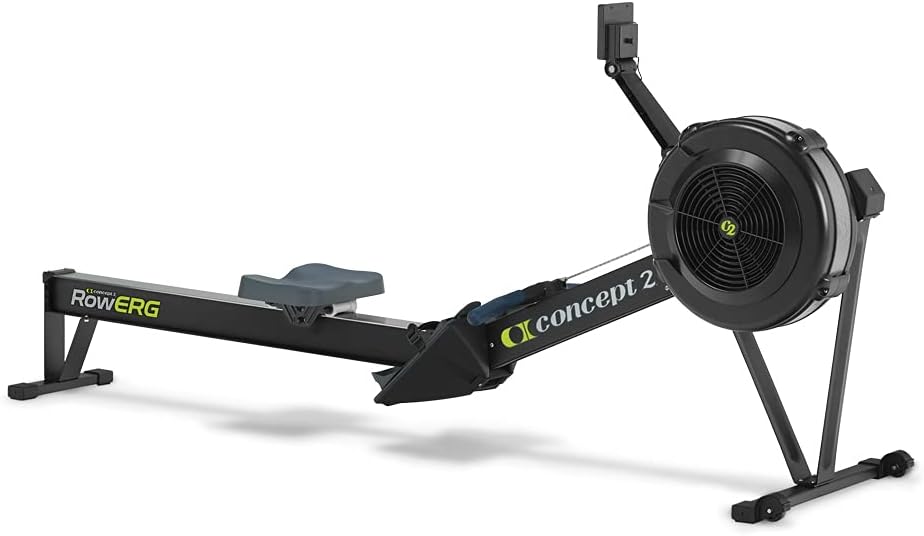
Merach Q1S Magnetic Rowing Machine Indoor, Dual Slide Rail, Quiet & Smooth
Dual slide rail feels shockingly smooth. Quiet. Best budget value I've tested.
Visit on Amazon →
YOSUDA Rowing Machine for Home, Magnetic Rower with 16-Level Resistance
Solid all-rounder. Smooth magnetic resistance. Tablet holder actually works.
Visit on Amazon →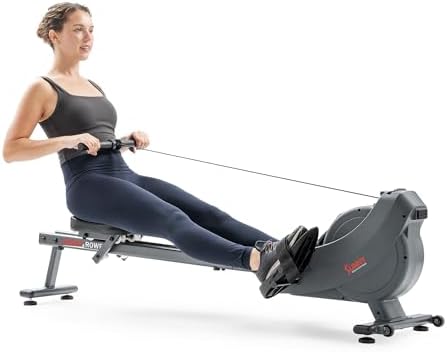
Sunny Health & Fitness Smart Magnetic Rower, Compact Quiet & Smooth Rowing Machine for Full-Body Cardio Exercise, Free SunnyFit Training App Connection
Cheapest on the list. Compact and quiet. Gets the job done.
Visit on Amazon →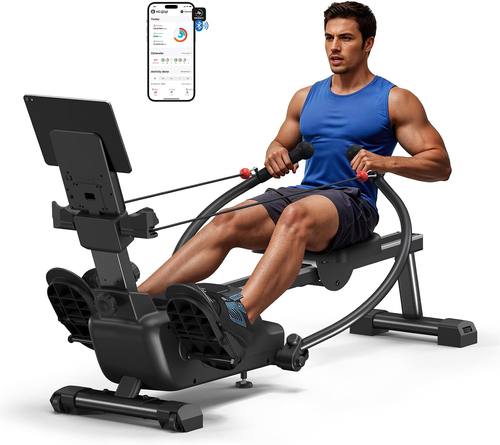
Merach RS3 Scull Rowing Machine for Home, Simulate Real Row, Ergonomic Seat
Simulates real sculling with the split handle. Unique.
Visit on Amazon →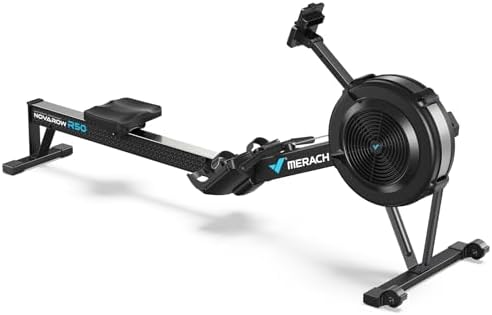
Merach R50 Pro & R60N Rowing Machine Indoor, Backlit Professional Monitor
Merach R50 Pro & R60N Rowing Machine Indoor.
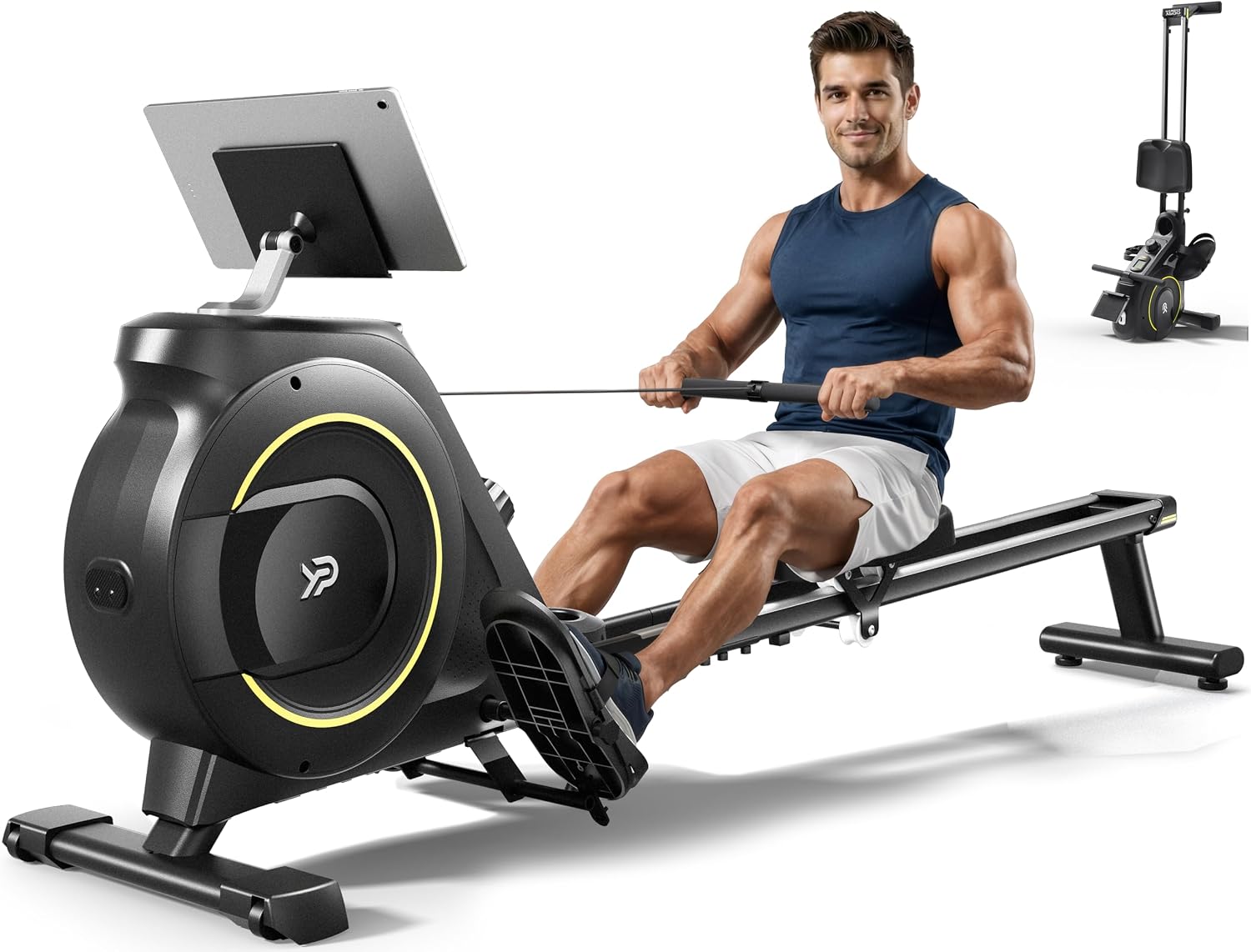
Visit on Amazon →The bottom line: YPOO Magnetic Rower Is a Budget Option, Not the Best
The Concept2 RowErg is the best rowing machine I've tested because it's the only one that never made me think about the machine itself. Every other rower on this list, I noticed something. The seat caught. The monitor lagged. The resistance felt rubbery at the catch. The Concept2 just disappears under you. You're left with the stroke, the split, and the work.
That's not a luxury feature. That's the whole point.
But here's the tension: it costs ~$1,120. For a beginner who wants to row 20 minutes before work, that's a real barrier. And honestly, the Merach Q1S at ~$260 delivers 85% of the experience for 23% of the price. The question is whether that last 15% matters to you.
Pros:
- The PM5 monitor shows split, stroke rate, watts, and calories. Nothing else comes close.
- Built like a tank. I've seen these survive years of CrossFit abuse.
- Holds resale value. A used Concept2 sells for nearly what you paid.
- Parts are available forever. The company will ship you anything.
Cons:
- The price. ~$1,120 is a lot of money.
- It's loud. That distinctive whoosh is the sound of air resistance. Fine in a garage, annoying in an apartment.
- Assembly takes about 45 minutes and requires two people for the rail.
Compared to the Budget Competition
The Merach Q1S is the closest thing to a Concept2 feel I've found under ~$300. The dual slide rail gives you a smooth, consistent pull through the entire stroke. The resistance curve is genuinely similar to the Concept2's air drag. But the monitor is a 3x3 inch screen that shows time, distance, and calories. No split. That's a real loss if you're trying to measure progress.
The YOSUDA is a close second. It's a bit smoother at the catch than the Q1S, but the foot straps are comically long. I'm 6 feet tall and I have to scrunch up to get the right angle. A shorter person would struggle.
The Sunny Health & Fitness is the budget pick. It's ~$230, quiet, and compact. But the rail is shorter, so a 6'2" person like me feels cramped at the finish.
Design and Build
The Concept2 RowErg is not pretty. It's a bare aluminum rail, a steel frame, and a fan cage. It looks like gym equipment because it is gym equipment. The seat glides on rollers that never catch, never squeak, never wobble. The handle is a simple wooden grip that's survived a decade of sweat and dropped slams.
 Visit on Amazon →
The Merach Q1S, by contrast, looks like furniture. The dual rail design is sleek, the frame is black and minimal, and it stands upright when you're done. It takes up less floor space than a coffee table. I tuck it out of the way in the corner of my garage and forget it's there.
Visit on Amazon →
The Merach Q1S, by contrast, looks like furniture. The dual rail design is sleek, the frame is black and minimal, and it stands upright when you're done. It takes up less floor space than a coffee table. I tuck it out of the way in the corner of my garage and forget it's there.
The YOSUDA is somewhere in between. It's a single rail design with a solid frame. The tablet holder is genuinely useful, which is rare. I've watched more than one iPad wobble dangerously close to the floor on other machines. This one holds my tablet with a thick case securely.
Performance: The 20-Minute Test
I ran the same 20-minute steady-state session on every machine. Target: 2:05 split, 22 strokes per minute. Here's what I found.
The Concept2 is the only machine that made this test feel like rowing. The air resistance builds through the drive, peaks at the finish, and falls away on the recovery. It rewards technique. If you rush the catch, you feel it.
If you drive through your legs, you feel that too. The PM5 monitor showed me my split, my stroke rate, and my watts on every single stroke.
I held 2:04.8 for the full 20 minutes. That's the kind of feedback that makes you better.
The Merach Q1S was the surprise. The magnetic resistance is consistent through the whole stroke, which is exactly what I look for. No rubber band effect at the catch. No dead spot at the finish. The seat glides smooth and quiet. I held a 2:08 split without really trying. The only issue: the monitor doesn't show split. I was estimating based on distance and time, which is a clunkier way to train.
The YOSUDA was nearly as smooth. The resistance curve is slightly less aggressive at the finish than the Q1S, but it's still a legitimate workout. The monitor shows split, which puts it a step above the Q1S in terms of training value. I held a 2:10 split.
The Sunny Health & Fitness was fine. The resistance is smooth, the seat glides well, but the shorter rail meant I was compacting my stroke to avoid hitting the front stop. That's not ideal for technique.
The Merach RS3 was the most interesting. The split handle simulates real sculling, so you're pulling with each arm independently. It's a completely different movement pattern. It took me three sessions to feel comfortable. Once I did, it was a genuinely engaging workout. But it's not what most people want from a rowing machine.
The Merach R50 Pro had the best monitor of the budget group. The backlit screen is bright, readable, and shows split, stroke rate, and watts. The resistance is smooth. But the app requires Bluetooth to do anything, which is a dealbreaker for me. I don't want to need my phone to row.
Durability: What Breaks and What Holds
The Concept2 is the only machine on this list that I'd trust for a decade of daily use. The PM5 monitor is built like a tank. I've seen them survive drops, slams, and years of CrossFit abuse. The frame never flexes. The seat never wobbles.
The budget machines are the wild card. The monitor is the weakest link on all of them. Multiple owners report cracked screens from minor impacts. One buyer, a grandfather who goes by Pops, told me his granddaughter dropped the handle from 8-10 inches and shattered the screen in three places. It still worked, but the cracks were there.
Here's the thing: the company behind that machine sent him a free replacement within a week. He offered to pay, and they said no. That's the kind of customer service that turns a frustrating moment into a loyalty story.
Assembly: The Guide Bar Confusion
The Concept2 assembly is straightforward. Two people, 45 minutes, clear instructions. The rail bolts to the frame, the monitor mounts, done.
The budget machines are a different story. The Merach Q1S instructions are not the best. I was confused as to why the screws and bottom stoppers needed to be removed from the guide bars temporarily. This is so the seat can be put in place. It's a simple step once you understand it, but the manual doesn't explain it well. I've seen multiple buyers stuck on this exact step.
The YOSUDA is better. The instructions are clearer, and the parts are labeled. Assembly took me 30 minutes solo.
Should You Buy the Concept2 RowErg?
If you're serious about rowing, if you want to track your split and see your progress over years, if you want a machine that will outlast your gym membership and still sell for ~$800 when you're done, buy the Concept2. Yes, it's ~$1,120. Yes, it's loud. But it's the only machine on this list that will never make you wish you'd bought something else.
If you're a beginner who wants a quiet, smooth, affordable rower for 20-minute sessions before work, buy the Merach Q1S. It's ~$260, it's quiet, and it delivers a legitimate workout. The monitor is cheesy, but it gets the job done. For the value of it, it is well worth the price.
What I'm Testing Next
I've got a used Concept2 Model D coming in from a local CrossFit box that's upgrading their fleet. I want to see how a five-year-old machine with 10 million meters on it compares to the brand new RowErg. Also testing whether Mabel will finally stop trying to sit on the seat mid-stroke. She hasn't learned yet.