I learned to row on the water, then spent a decade teaching people to row indoors, first at a CrossFit box, then at a studio with a wall of ergs, and now in my own garage in Seattle. Somewhere past the thousandth beginner I stopped caring how a machine looks in a product photo and started caring about one thing: whether a person who has never rowed will still be sitting on it six weeks from now. That is the lens for this home rowing machine comparison. Four pieces of equipment, four different jobs, and no pretending the shiniest one wins.
Short answer up front: if you want the closest thing to real rowing inside a house, the water rower is the pick. If you have one room and that room has to do everything, the 2 in 1 rowing and cable machine is the pick. If you are not sure you even like rowing yet, the compact Row-N-Ride trainer is the cheap test. And whichever one you choose, the mat belongs in the cart.
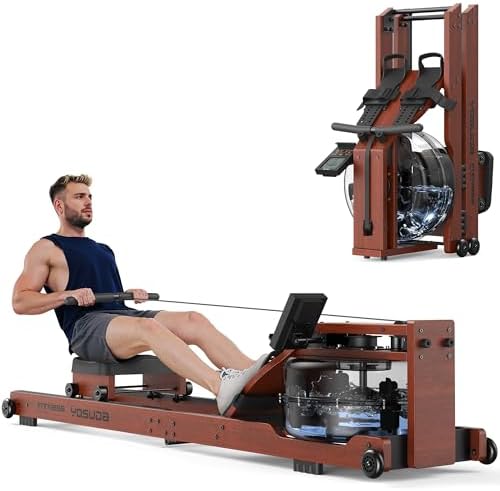
YOSUDA Water Rowing Machine Foldable for Home Use 5.8 Gal Large Water Tank
Closest feel to actual water rowing, large tank, folds away
Tank water needs attention, monitor is basic
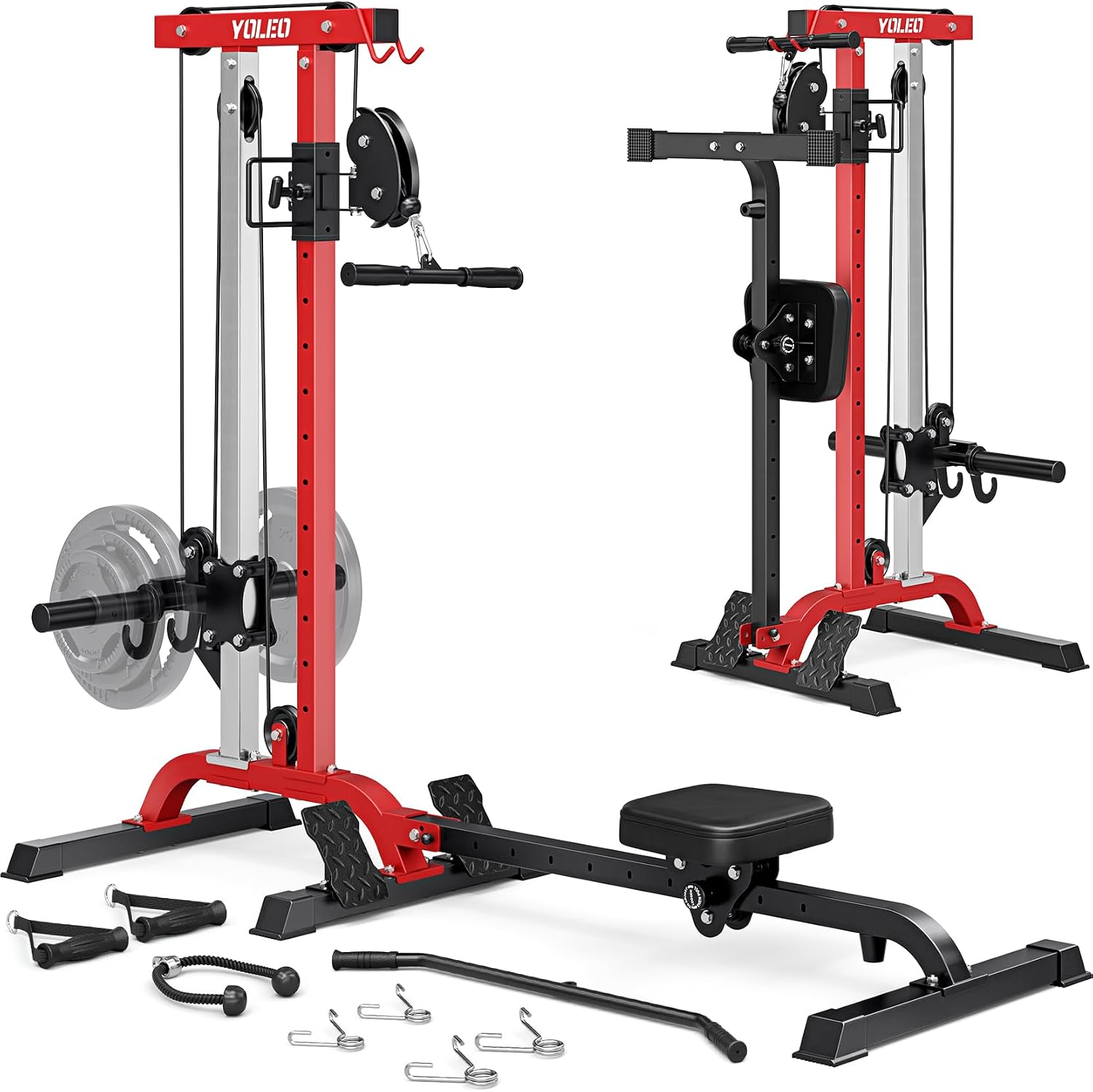
2 in 1 Rowing & Cable Machine for Home Gym, 450 Lbs Capacity
Two machines in one footprint, high weight capacity
Rowing stroke is a compromise next to a dedicated rower
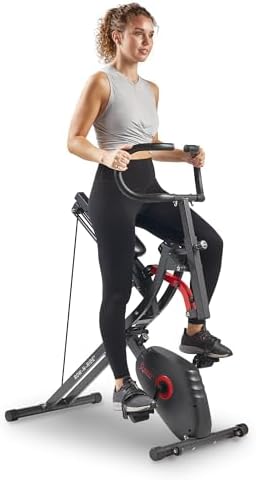
Sunny Health & Fitness Row-N-Ride Trainer for Full-Body Home Exercise
Small footprint, low commitment, easy on beginners
Not a true rowing stroke, limited resistance ceiling
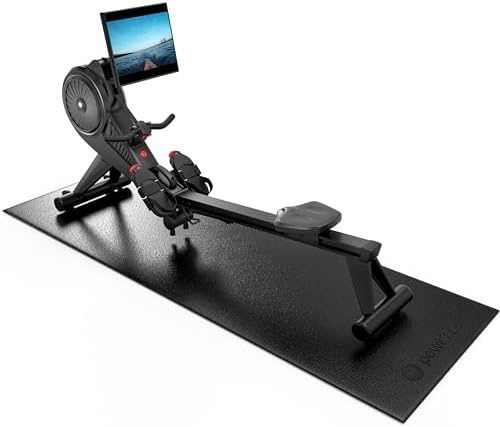
Powr Labs Rowing Machine Mat for Hydrow, Concept 2, Peloton Rower,Treadmill
Protects floors, absorbs vibration, fits most rowers
Adds nothing to your fitness, one more thing to store
Prices and availability were captured from Amazon Creators API and may change.
The four questions I ask before I recommend anything
Every machine I put in front of a beginner has to survive the same short interview.
First, does the resistance feel consistent from the catch to the finish? If a machine gets heavy in the middle of the stroke and light at the ends, your body learns a rhythm that does not transfer to anything else. Consistency is the whole game.
Second, does the monitor show a split, meaning time per 500 meters? A monitor that only shows calories and elapsed time is decoration. Split is the honest number, and it is the one that lets you compare today to last week.
Third, does the seat roll smooth and quiet on the rail? A seat that clicks or binds will drive you up the wall by week three, and it usually means the rail is flexing under load.
Fourth, would I put a beginner on it and walk away for two minutes? If the answer is no, it is not a rowing machine. It is a piece of furniture with a handle.
YOSUDA Water Rowing Machine: the closest thing to water in a house
Water rowers get recommended for aesthetics, and that undersells them. The reason I like this category for home use is the resistance curve. Pull harder and the water pushes back harder, which is exactly what happens in a boat, and it means the machine rewards good sequencing instead of punishing it.
The YOSUDA unit carries a 5.8 gallon tank, which is the part that matters. A bigger tank gives you a longer, smoother pull before the flywheel effect catches up, and it makes the catch feel less like a jerk and more like a load. The foldable frame is a genuine benefit in a small apartment, though I will say plainly: folding rowers that never get folded are the most common mistake I see. If you have to move a couch to unfold it, you will stop.
The trade-off is maintenance. Water is water. You will deal with the tank, you will deal with the water treatment, and you should expect to think about it a couple of times a year. The monitor is also basic, so if you are the kind of person who needs a screen to show up, this is not the machine for that. What it is: the best feel per dollar in this comparison.
Sunny Health & Fitness Row-N-Ride Trainer: the low-commitment test
I want to be honest about what this is, because the name invites confusion. The Row-N-Ride is not a rowing machine in the sense that a Concept2 is. You are not sitting on a sliding seat pulling a handle through a full stroke. You are on a pivoting saddle pushing through a squat-and-pull pattern with resistance.
That sounds like a criticism. It is not, entirely. For a beginner who is intimidated by a full erg, this is a genuinely useful entry point. It teaches the hinge at the hips, it trains the same posterior chain, and it takes up a fraction of the floor space a full rower needs. It also sits at a price point where trying it does not feel like a decision you have to justify to anyone.
Where it loses: the stroke does not transfer. If your goal is to learn to row, this will not teach you to row. The resistance ceiling is low, so a strong athlete will outgrow it quickly, and the saddle position means your hip angle is different from a real catch. Buy it as a compact full-body trainer that borrows rowing's motion. Do not buy it expecting the erg.
2 in 1 Rowing & Cable Machine: one footprint, two jobs
This is the pick for the person with a single spare corner. A 450 lb capacity frame that rows and also runs a cable stack solves the problem that kills most home gyms, which is that you run out of space before you run out of ambition.
The cable side is the part that quietly earns its keep. Lat pulldowns, face pulls, seated rows, triceps work: all the accessory work that supports a rowing habit and that a dedicated rower cannot do at all. If you are training rowing seriously, you need that work somewhere, and having it attached to the machine you already own is a real advantage.
The honest caveat is the rowing stroke itself. A dual-purpose frame is a compromise. The catch position is usually a little cramped, the resistance feel is not as clean as a dedicated water or air rower, and if your goal is chasing a split on a monitor, you will feel the difference within a few sessions. Buy this if versatility is the priority. Do not buy it if rowing is the only thing you want to do.
Powr Labs Rowing Machine Mat: the boring purchase that decides everything
Nobody wants to spend money on a mat. Everybody who has rowed indoors for a year owns one.
Two reasons. First, rowers walk. Even a well-built machine shifts a little under hard efforts, and over a few months that means scuffed floors, scratched hardwood, and a machine that has crept six inches closer to the wall. Second, vibration. A rower transmits a surprising amount of low-frequency energy into the structure of a house, and a mat is the cheapest thing you can do about it if you live above someone.
This Powr Labs mat is sized for the big names, Hydrow, Concept2, and Peloton rowers included, along with treadmills, which means it will comfortably fit everything in this comparison. It is not exciting and it will not make you faster. It is the difference between a machine you can use at 6 a.m. and a machine your downstairs neighbor resents.
One thing to check before ordering: measure your machine's footprint and the space it needs when the rail is extended, not when it is folded. Mats are bought too small constantly.
The trade-offs worth saying out loud
Water needs maintenance. A water rower is not a set-and-forget machine. Budget for a treatment schedule and accept that it is part of the deal. In exchange you get the best feel of the four.
Dual-purpose means dual compromise. The 2 in 1 does two things well and neither thing perfectly. That is the correct trade if space is your binding constraint, and the wrong trade if performance is.
Compact trainers are not rowers. The Row-N-Ride is a good machine with a misleading category. Judge it as a small-footprint full-body trainer and it makes sense.
The mat is not optional. I have never once regretted owning one and I have absolutely regretted not owning one.
Monitors decide longevity. A machine with a monitor that shows split and stroke rate will keep you honest. A machine that shows calories will let you lie to yourself for a year.
Folding is a promise, not a feature. If folding is the reason you are buying, ask yourself where it will live unfolded. Because that is where it will live.
The technique note that matters more than the machine
The machine is maybe twenty percent of the workout. The other eighty percent is what you do on it, and I would rather see someone on a modest machine with decent sequencing than someone on a beautiful machine yanking with their arms.
Slow the stroke down. Aim for a controlled rate, drive with the legs first, then swing the torso, then pull the arms, and reverse that order on the way back. Feel the catch. Most beginners rush the recovery and then wonder why the drive feels weak. The machine will do its job if you do yours.
Two drills I give everyone. First, legs only: strap in and row with your arms straight and your torso still, just pushing. That teaches you where the power actually comes from. Second, pause at the finish for a beat before you return. That teaches you the sequence.
What I would buy
If I had to hand one of these to a friend moving into a small Seattle apartment, it would be the water rower, with the mat underneath it and a calendar reminder for the tank. If that friend had exactly one room for everything and wanted to lift as well as row, the 2 in 1 machine wins on utility. If that friend was not yet sure about rowing at all, the Row-N-Ride trainer is the honest, low-stakes way to find out.
None of these is a Concept2, and I am not going to pretend otherwise. But not everyone has the space, the budget, or the desire for a machine that looks like gym equipment. What matters is that the thing you buy gets used, that it does not wreck your floor, and that it teaches you a stroke you can carry to a real erg later. Pick the one that fits the room you actually have, then go sit on it.