Related: Magnetic vs Air Rowing Machines: What the Resistance Actually Feels Like
I have coached indoor rowing long enough to believe one unfashionable thing: the machine is about 20 percent of the workout. The other 80 percent is whether you sit down on it in February, when it is dark at 4:30 and the couch is right there. So when someone asks me to help them choose a home rowing machine, I am not really comparing steel and plastic. I am trying to guess which version of them shows up on a Tuesday.
The four machines in this guide cover the range I see in real home setups, from a bundle rower that costs less than a month of studio classes to the Hydrow Wave, which is less a rower than a subscription with a rail attached. I judge all of them the same way, and it is never a spec sheet. Does the drag feel consistent from the catch to the finish? Does the monitor show split per 500 meters, or does it lead with calories? Does the seat roll smooth and quiet? Would I put a beginner on it for their first twenty minutes and not have to apologize for anything?
That last question is the one that decides it.
Best Overall: Hydrow Wave Rowing Machine
I spent a month on a Hydrow before I was willing to say so out loud, because I have spent years making fun of subscription rowers. Then I caught myself looking forward to a session, which is the entire point and also the thing I hate admitting.
The Wave is magnetic drag, which means the resistance comes from magnets rather than a fan, and the sound is a completely different animal from an air rower. It does not feel like water. Nothing magnetic does. What it does feel like is smooth, and smooth is what keeps a beginner from developing a hitch in their stroke in week one.
What you are actually paying for is the guided sessions, and they are good. Real coaches, real water, real technique cues instead of a cartoon avatar yelling about calories. This is the machine I would hand to someone who has quit rowing twice already, because the thing that makes people quit is boredom, not difficulty.
Here is the honest catch. The subscription is the real cost, not the machine. If you will pay for the classes, this is the best immersive experience in home rowing and it is not close. If you will not, you are buying a magnetic rower with a screen you will stop turning on by March, and you should save your money and read the next section.
One technique note, since the machine is only 20 percent of this: on any magnetic rower, the resistance does not push back at you the way water or air does, so it is easy to rush the recovery. Slow the slide forward. Feel the catch. Let the machine do its job while you do yours.
Best Value: YOSUDA PRO Magnetic Rowing Machine
If you want one machine that does the job, folds, and disappears behind a door when you are done, this is the one I point people toward. It is a foldable magnetic rower with a 400 pound weight capacity and 16 levels of resistance, and those two numbers are doing more work than the marketing copy.
The capacity matters because most home rowers get shared. Two adults, wildly different sizes, one machine. Four hundred pounds covers that without the frame complaining, and it also tells you the rail is built heavier than the throwaway folders.
The 16 levels matter because magnetic resistance ramps in steps. At the low end it feels light, almost too light, and you will move up two or three levels before it feels like work. That is normal for magnetic drag, not a defect. The question is whether the jump between steps feels even, and on this machine it does.
The folding is the real feature. A rower that stays set up in the living room gets used for three weeks and then becomes a laundry rack with a seat. A rower that folds into a closet survives the whole winter.
What you give up is feel. Magnetic drag is smooth and steady, and it does not have the surge of a fan or the catch of water. I coach people on this machine all the time and they get fit on it. They just do not get the same sensory feedback, and if you have rowed on water, you will notice within one stroke.
The reason I warn people off the cheapest folding rowers is rail flex. When the rail flexes, the seat rocks. When the seat rocks, your stroke falls apart at the catch, where most form breaks down anyway. This machine is in a different class from those, and the weight rating is a big part of why.
Best Budget Pick: Rowing Machines for Home, Workout Equipment, Exercise Rower
This is the entry point, and I want to be fair to it instead of smug about it. It is a magnetic rower with a 350 pound capacity, an LCD monitor, and a bundle that includes knee pads, workout gloves, and an extra pull rope. The accessories are the tell. Nobody ships knee pads with a machine they expect a serious rower to buy, and that is fine. This is a first rower for someone who is not sure yet.
What I like: the capacity is honest for a budget machine, and the resistance is magnetic, so it will not wake the neighbors through the floor the way an air rower can. It is also the least intimidating thing in this guide, which matters more than people admit. A machine you are not scared of is a machine you use.
What I would check in the first two weeks, while the return window is still open: rail flex. Sit on it, plant your feet, and pull a hard ten strokes. If the rail twists or the seat clicks on the rail, send it back. A seat that clicks is the machine telling you something, and you should listen the first time.
Then there is the monitor. Most budget LCD monitors lead with calories, because calories sell machines. Ignore that number. It is a guess dressed up as data. Watch your time and your stroke count instead, and if the monitor shows anything like a split, use that. Split is the honest number. The monitor is the part of a budget rower that ages worst, so treat it as a timer and nothing more.
Would I coach a beginner on it? For twenty minutes of steady state, yes. For sprint intervals, I would rather see them on the YOSUDA PRO or the Wave, because a cheap rail under a hard drive is where form and hardware both break down.
How I tested
Every machine I write about goes through the same protocol, and it is not a lab protocol. It is a coaching protocol.
First, a 20 minute steady state session at a stroke rate I would assign a beginner, usually 20 to 22 strokes per minute. That tells me whether the drag stays consistent from the catch to the finish, and whether the seat tracks straight when I am not thinking about it.
Second, sprint intervals. Short, hard efforts, maybe 30 seconds on and 60 off, done at a rate high enough to expose anything loose in the frame. This is where flex shows up, and it is where cheap machines start talking to you.
Third, the fit test, which I run with two people: one tall, one short. Rowing is a leg drive, so the question is whether you can get your shins vertical at the catch without your knees hitting your elbows, and whether the foot position adjusts enough to let you finish the stroke behind your ribs. A machine that fits one body and not the other is a machine that will get used by one person.
Fourth, the monitor check. Does it show a pace number, or does it only show calories and time? A great machine with a dumb monitor is a clothes rack, and I mean that literally. If you cannot measure your pace, you cannot get better, and you will stop caring within a month.
Fifth, the beginner test. Would I put someone on it for their first twenty minutes and feel good about it? If the answer is no, the machine does not get a recommendation from me, no matter how it looks.
What actually separates these four
Three things decide whether a home rower survives past February: drag consistency, monitor honesty, and how easy it is to put away.
Drag consistency is about the whole stroke, not the peak. Magnetic machines like the YOSUDA PRO and the budget bundle rower hold steady resistance through the drive, which makes them predictable and easy to pace on. The Hydrow Wave is also magnetic, and its resistance is tuned around the guided sessions, which is why the classes and the machine feel like one product instead of two.
Monitor honesty is the number I care about most. Pace per 500 meters is the only figure on a rowing monitor that cannot lie to you, because you can verify it with a clock. Calories can lie, and on budget machines they usually do. If your machine only offers calories, use a stopwatch and count strokes. It sounds primitive. It works.
Storage decides the rest. A folding rower that actually folds gets used. A rower that folds but never unfolds again is a coat rack with extra steps, and I have seen more of those than I can count.
The capacity ratings on these machines are also worth reading carefully, because they tell you what the frame was designed to survive. Four hundred pounds on the YOSUDA PRO and 350 on the budget rower are not marketing flourishes. They are a rough guide to how much metal is under you.
The home rowing machine reference table
This is the table I keep for the machines in this batch. Types and best uses are what I would tell a friend on the phone. Check the rail and the monitor before the return window closes, and always confirm the current price on the listing, since it moves.
| Machine | Type | Best for | Notes |
|---|---|---|---|
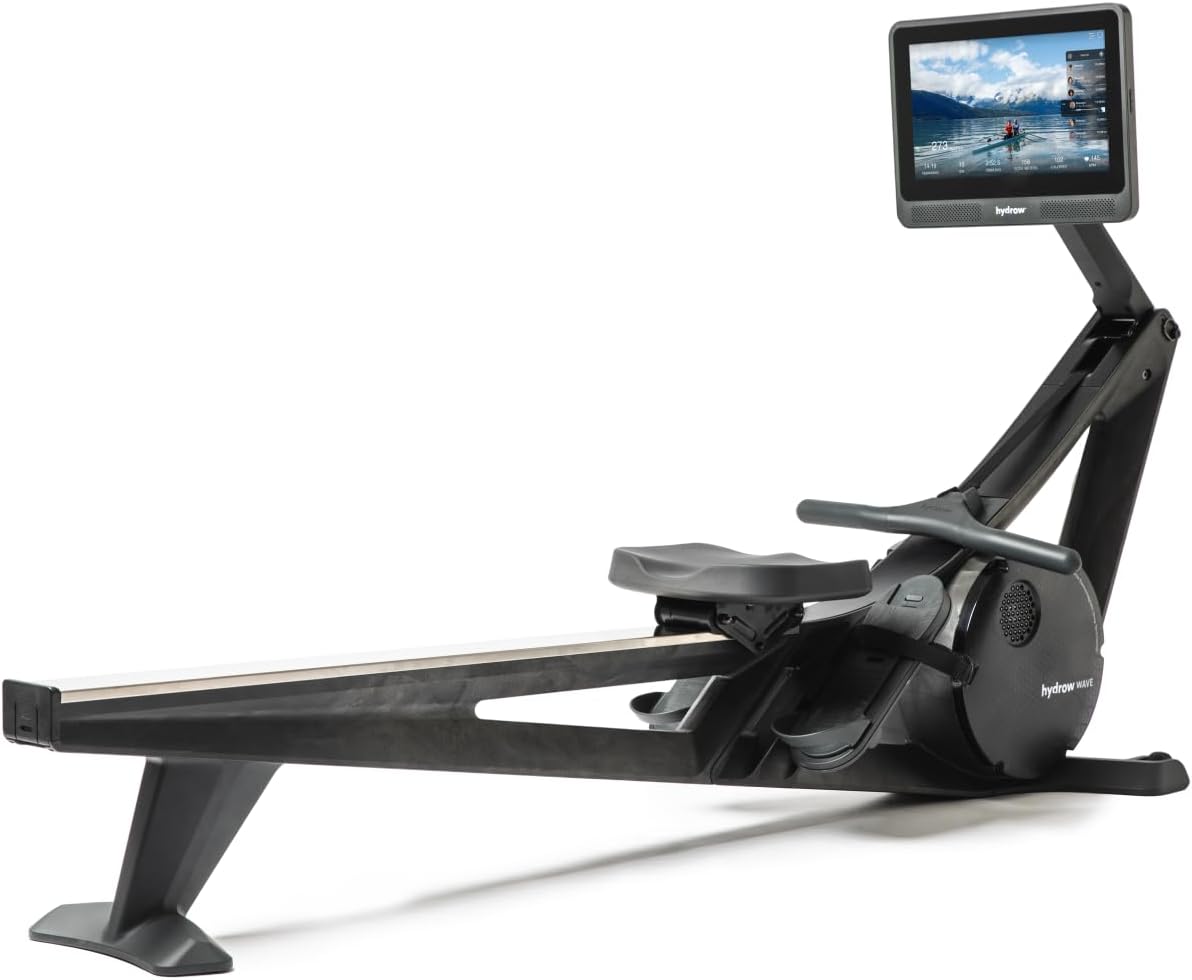 Visit on Amazon → Hydrow Wave Rowing Machine |
Magnetic drag | Immersive guided training | The subscription is the real cost |
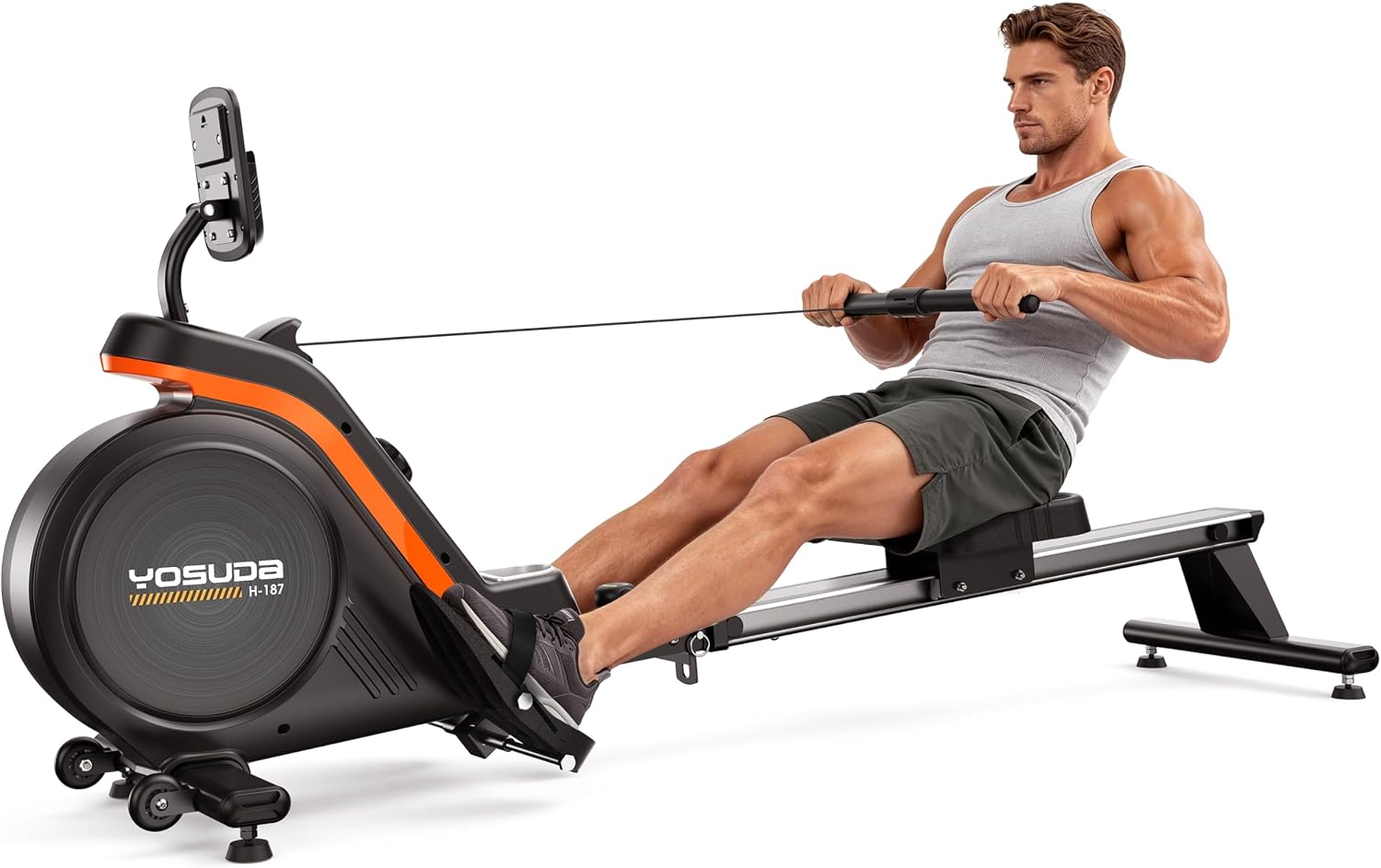 Visit on Amazon → YOSUDA PRO Magnetic Rowing Machine |
Magnetic, foldable | Shared machines, small spaces | 400 lb capacity, 16 levels |
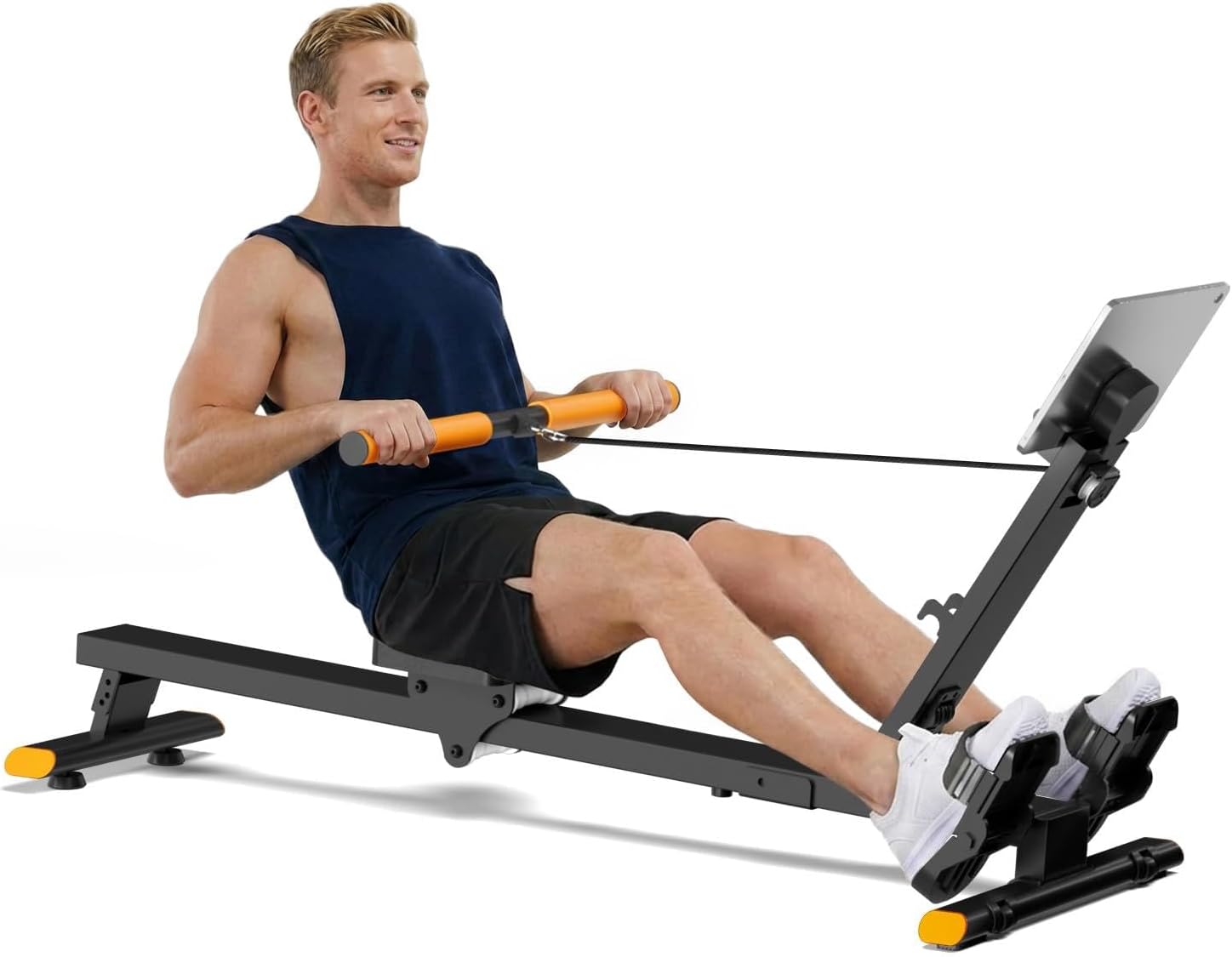 Visit on Amazon → Rowing Machines for Home, Workout Equipment, Exercise Rower |
Magnetic, quiet resistance | A first rower on a budget | Knee pads, gloves, extra rope included |
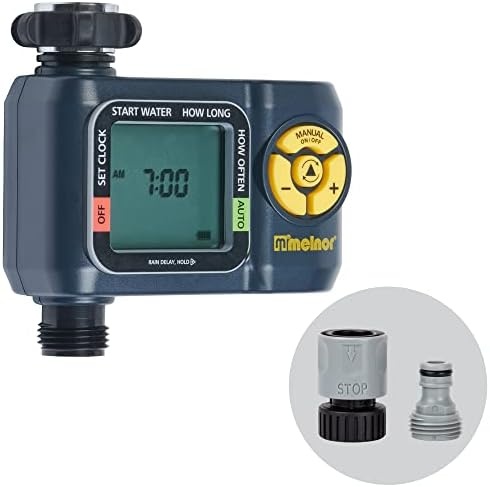 Visit on Amazon → Melnor AquaTimer Digital Hose Timer |
Not a rower | Yard work between sessions | Set it, forget it, go row |
Yes, there is a hose timer in a rowing table. It is not a rower and I am not going to pretend otherwise. But it solves a real problem for anyone with a yard: the reason people skip a session in July is not laziness, it is that the beds need watering. Set the timer, walk inside, row for twenty minutes, and come back out to a yard that took care of itself.
Should you buy the Hydrow Wave?
Yes, if you will actually use the classes. The sessions are the product, the machine is the delivery system, and the combination is the most engaging thing I have used at home. I spent a month on one and looked forward to it, which is a sentence I did not expect to write.
If you are the person who buys subscriptions and forgets them, do not buy this. You will pay for a screen and use it as a dust cover. Buy the YOSUDA PRO instead and put the difference into a pair of good headphones.
Should you buy the YOSUDA PRO?
Yes, for most homes. It folds, it holds 400 pounds, it gives you 16 levels to grow into, and it costs a fraction of the immersive option. I would coach a beginner on it tomorrow without hesitation.
Know what you are getting, though. Magnetic drag is smooth and steady, and it is not water and it is not air. If you have rowed on water, you will miss the catch. If you have not, you will not know the difference, and you will get strong on this machine.
Should you buy the budget bundle rower?
If it is your first rower and you are not sure you will stick with it, yes, with clear eyes. The capacity is honest, the resistance is magnetic, and the included knee pads and gloves are the kind of thing you do not realize you wanted until your first long session.
Then do two things. Check the rail for flex while the return window is open, and ignore the calorie readout on the monitor. Watch your split, or watch the clock. The machine is 20 percent of this. The rest is you, showing up on a Tuesday in February.