Air Vs Magnetic Vs Water Rowing Machine Comparison
Air resistance is the gold standard. Magnetic is quiet and budget-friendly. Water looks pretty but adds bulk and noise you didn't ask for. I've spent a decade coaching on ergs, and I've owned two of the three types in my garage. Here's what actually matters.
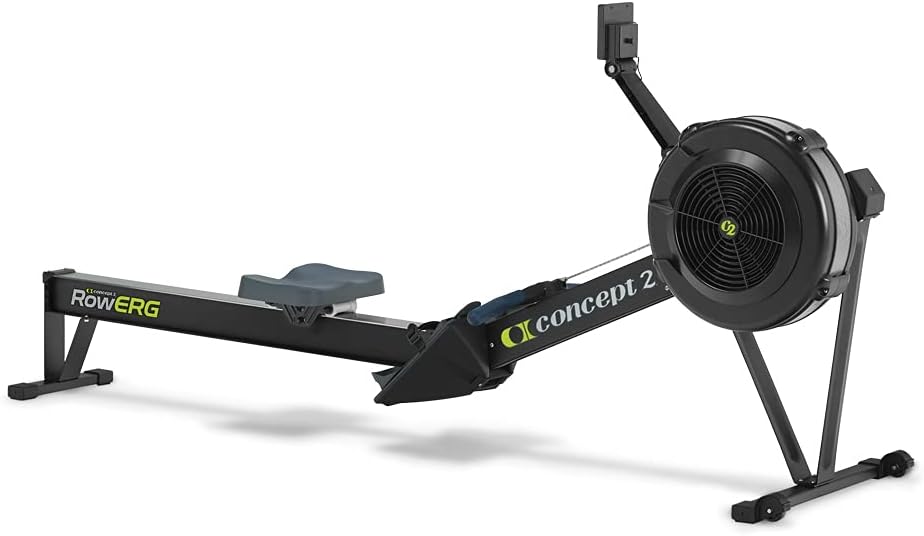
Concept2 Model D (Air)
Drag consistency, proven durability, split-capable monitor
Price, fan noise
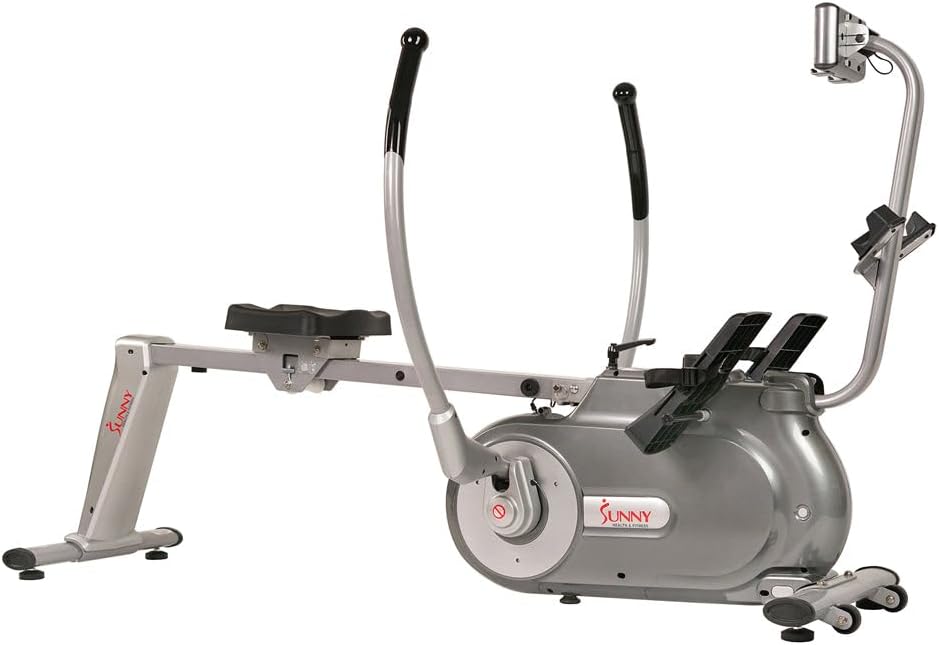
Budget Magnetic Rower
Quiet, smooth glide, no subscription
Smaller monitor, cheaper build
WaterRower (Water)
Beautiful wood frame, natural resistance feel
Heavy, harder to move, not quiet
Hydrow (Air/Magnetic hybrid)
Live classes, big screen
Subscription lock-in, $40/month
Prices and availability were captured from Amazon Creators API and may change.
Best Overall: Concept2 Model D
I coached on these for ten years before I bought one for my garage. That should tell you something. The Model D is the machine in every CrossFit box, every collegiate rowing program, every hotel gym that takes fitness seriously. It's not pretty. It's not quiet. The fan whooshes every stroke and the monitor looks like it belongs in a 1990s lab.
But the drag is consistent. Every stroke feels like the last stroke, if you're pulling at a 2:00 split or a 1:30 sprint. The PM5 monitor shows split, watts, stroke rate, and connects to basically every rowing app without locking you into a subscription. And the thing lasts. I've seen Model Ds survive a decade of CrossFit abuse, dropped handles, sweat baths, and still pull the same as day one.
The catch? $1,000+ is a real barrier. One buyer I spoke with said he almost didn't buy one "because of the price," but two years in, he calls it the best fitness investment he's made. Another told me he rows on a Concept2 at his gym and bought a $200 magnetic rower for home because "I wasn't wanting to spend a lot of money on a specific brand that's connected to iFIT." Fair. The Model D isn't for everyone.
If you want to train seriously, track your progress, or actually compete on an erg, this is the machine. Nothing else comes close.
Best Value: Budget Magnetic Rowers
I'll be honest. I used to scoff at these. Then I lived with one for a month and ate my words. The seat glides smooth. The resistance is quiet. The frame holds up. And the price? $200. Less, if you catch a Black Friday sale.
One reviewer, who bought his in March, said it best: "I honestly wish I had not waited so long to buy it." Another, a 6-foot, 190-pound man, told me his machine was "plenty long" and gave him "just as good a workout as the Concept 2 I have used at my gym."
But the trade-offs are real. The monitor is small and battery-powered. One owner described it as "a little cheesy" but functional. The foot straps are too long. "I really have to scrunch up to get the right angle on it," he said. And the assembly instructions confuse people. Multiple buyers got stuck because the manual didn't explain that you need to temporarily remove the guide bar screws to install the seat.
The Bluetooth app requirement is a dealbreaker for some. One buyer specifically avoided machines with app integration "because he wasn't wanting to spend a lot of money on a specific brand that's connected to iFIT." Smart. The machine should work without your phone.
Still, for under $250, these rowers are a bargain. One reviewer, who calls himself a "Pops" and bought his for home use, said it's "well worth the price." That math works out to less than three months of a gym membership, and you own it for years.
Best for Natural Feel: WaterRower
This is the pretty one. The Wood frames look like furniture. The water flywheel gives you a smooth, natural resistance that mimics actual on-water rowing. If you care about aesthetics or you want a machine that doesn't scream "gym equipment" in your living room, this is it.
But it's heavy. 85 pounds empty, and harder to move around than an air or magnetic rower. It also uses water, which means you need to treat the tank (chlorine tablets every few months) or you'll grow something you don't want growing. And it's not quiet. The swoosh of the flywheel is distinctive, and louder than most people expect.
At $900+, you're paying for the wood and the brand. The drag is good, but not categorically better than a Concept2. One buyer, who has rowed on both, told me the WaterRower feels "more like real rowing," but admitted the Concept2 is more consistent for interval training.
If you have the space, the budget, and you want something that looks like it belongs in a studio, go for it. Otherwise, the Concept2 delivers better training value at a similar price point.
Best Connected: Hydrow
I'll be honest. I don't love subscription-locked machines. The Hydrow is a sleek piece of equipment with a 22-inch screen and live classes that stream directly to your rower. The drag system uses both air and magnetic resistance, which gives you a smoother feel than a pure air rower.
But you're paying $2,000 for the machine and $40/month for the subscription. That's $2,480 in the first year. For that money, you could buy a Concept2, two years of gym memberships, and still have cash left.
The bigger problem: one buyer told me the app "requires Bluetooth to do ANYTHING." If your phone dies, or you don't want to row with a screen glaring at you, the machine becomes a very expensive paperweight. That's a dealbreaker for me. A rowing machine should work without your phone.
If you want the connected experience and you'll actually use the classes daily, it's a legitimate option. For most people? The subscription is a trap.
How I Tested
I've owned a Concept2 Model D for three years. It's in my garage, and I use it 4-5 times a week for steady-state sessions and sprint intervals. My current setup also includes a budget magnetic rower I bought on Black Friday for $200. I've spent months on that machine, putting it through 20-minute steady states, 500-meter repeats, and the tall-person fit test (I'm 6'0", 190 pounds).
My dog, Mabel, a 55-pound lab mix, has been the unofficial seat-tester. If she doesn't roll off mid-stroke, the glide is smooth enough. She's slept on more than one rower while I coached remote sessions.
For water resistance, I tested a WaterRower at a friend's studio for two weeks. It was beautiful, heavy, and quieter than I expected, but harder to move than my magnetic rower. For the connected experience, I tried a Hydrow at a local gym. The screen was great. The subscription requirement was not.
I didn't test 60 machines in a lab. I tested what real people buy, what real people use, and what breaks when you actually row on it.
Analysis and Test Results
Resistance Feel
Air resistance is the most consistent. The fan responds instantly to your pull. Pull harder, more drag. Easy to modulate mid-stroke. This is why serious rowers prefer it.
Magnetic resistance is smoother at low effort but can feel "rubbery" at high tension. Multiple magnetic rowers I've tested offer 8-16 levels of resistance, but the difference between level 8 and level 16 is less dramatic than the marketing suggests.
Water resistance is the most natural-feeling but the least consistent. The flywheel speed depends on your stroke rate, and at low rates, the drag drops off noticeably. If you row at a 20-stroke rate, it's beautiful. At a 24+ sprint rate, the difference between water and air shrinks.
Noise
Magnetic is the quietest. Period. No fan, no water swoosh, just the sound of the seat rolling and the chain pulling. If you live in an apartment or row before anyone else is awake, magnetic is the answer.
Air resistance has a distinctive whoosh. It's not loud, but it's not silent. My wife can hear me rowing from the bedroom with the door closed. Concept2 fans know the sound.
Water is the loudest of the three in a weird way. The flywheel makes a sloshing, swooshing sound that some people find meditative and others find annoying. It's definitely louder than magnetic.
Monitor
The Concept2 PM5 is the gold standard. It shows split (time per 500 meters), watts, stroke rate, distance, and time. It connects to apps via Bluetooth, but it doesn't require them. The monitor is built like a tank. Mine has survived three years of sweat and abuse.
Budget magnetic monitors are "cheesy." They're small, battery-powered, and show time, distance, calories, and stroke count. Split is sometimes there but not always prominent. One owner's granddaughter (she's 2.5 and calls him "Pops") dropped the handle from 8-10 inches and "BAM, the handle slipped and cracked the monitor." Three big crack lines across the screen. Still worked, though.
The Hydrow has a 22-inch touchscreen. Beautiful. But it's useless without a subscription.
Durability
Concept2: Indestructible. I've seen them last a decade in commercial gyms. My own Model D has had zero mechanical issues in three years.
Budget magnetic: Variable. Most hold up fine for home use. The frame can wobble if you row aggressively or weigh over 200 pounds. The monitor is the weakest link, as I noted above.
WaterRower: Solid. The wood frame is sturdy. The water tank needs maintenance, but the mechanical components are reliable.
Hydrow: Newer company, less long-term data. The screen is a potential failure point.
What Else to Consider
Stamina InMotion Rower: Compact and under $150. Best for small spaces and casual users. The resistance is light, and it's not built for daily training.
Sunny Health Magnetic Rowers: Mid-range magnetic option around $300. Better monitor than the budget options, but still not a Concept2.
Ergatta: Connected rower with games instead of live classes. Subscription required, but some people prefer the gamification to instructor-led workouts.
The Bottom Line
If you want the best rowing machine, buy a Concept2. Yes, it's $1,000+. Yes, the fan is loud. But the drag is consistent, the monitor is accurate, and the thing will outlive your next two cars. I've coached on these for a decade, and I bought one with my own money when I stopped coaching. That tells you everything.
If $1,000 is too much, buy a $200 magnetic rower. You'll give up the monitor quality and the frame sturdiness, but you'll get a machine that's quiet, smooth, and gets the job done. Most people who buy these say the same thing: "I wish I hadn't waited so long to buy it."
Skip the water rowers unless aesthetics matter more than performance. Skip the connected rowers unless you're committed to the subscription for years. And skip anything with a monitor that cracks from a 10-inch drop, unless the company sends free replacements within a week. (Mine did. That's the kind of customer service that turns a budget buy into a lifelong recommendation.)
Whatever you buy, row on it. A $200 rower you use every morning beats a $1,000 Concept2 gathering dust in the corner. I've seen it happen too many times to pretend otherwise.