Well, the marketing says "the best rowing machine for home" should cost you over a grand, right? I spent two years living with a ~$200 magnetic rower in my garage, coaching remote sessions on it, and letting my 55-pound lab mix, Mabel, use it as a napping platform.
Related: How Often Should You Use A Rowing Machine
The truth is, the best rowing machine for home is the one you don't have to wrestle out of a closet, the one that doesn't require a subscription to turn on, and the one that you'll actually pull on at 6 AM.
I've coached over a thousand people on machines ranging from the ~$300 wobble-fest to the Concept2 that never dies, and I've owned enough budget rigs to know where the corners are cut.
Here is the short list of what I’d actually let Mabel sleep on.
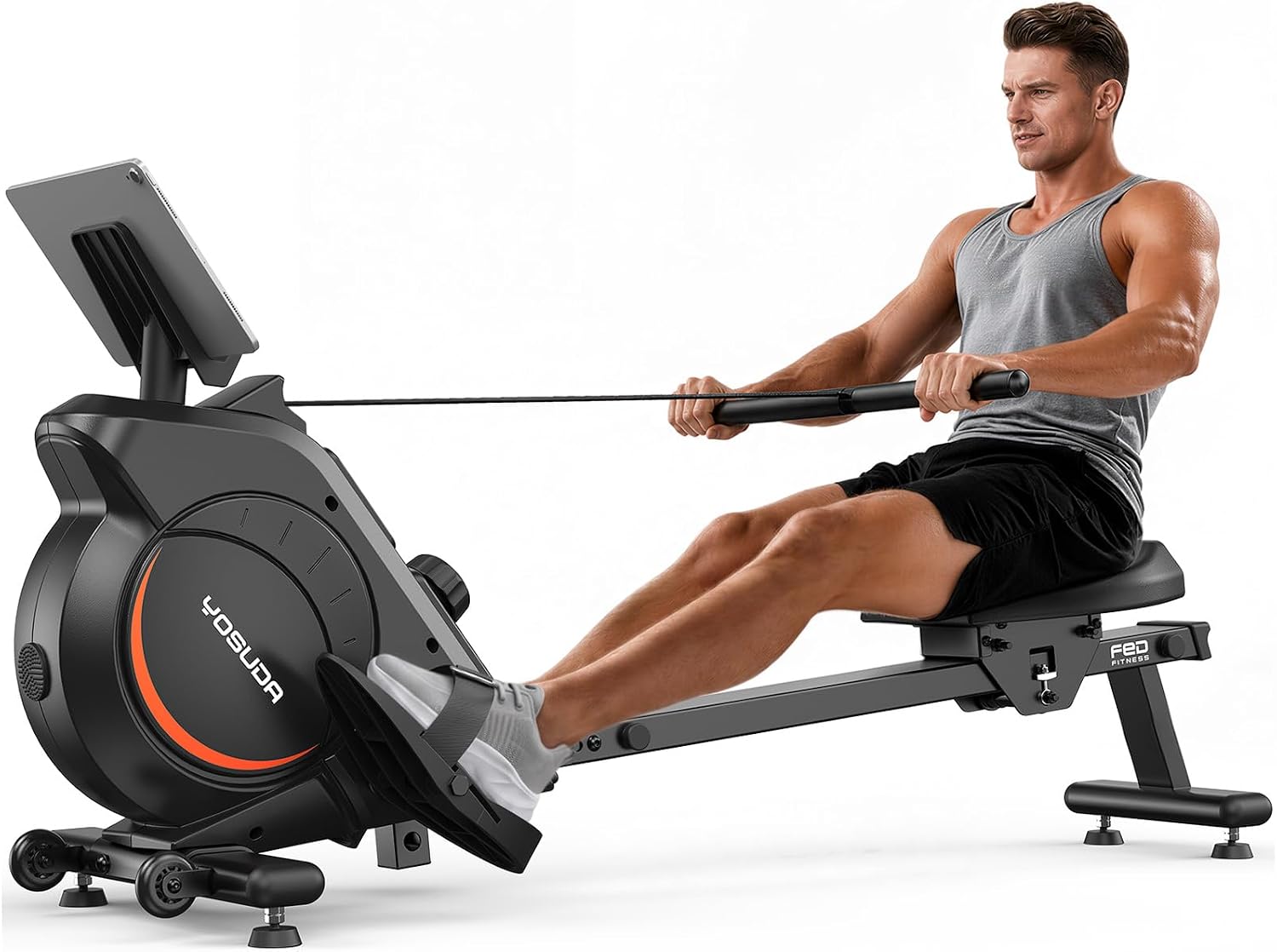
YOSUDA Rowing Machine for Home, Magnetic Rower with 16-Level Resistance
The closest feel to a Concept2 for the price; consistent drag, solid monitor, zero gimmicks.
Visit on Amazon →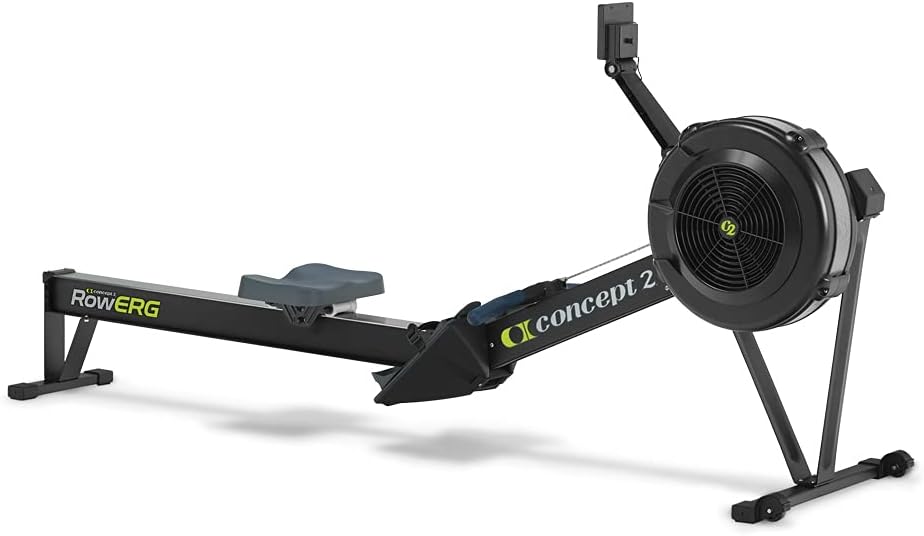
Concept2 RowErg Indoor Rowing Machine - PM5 Monitor, Device Holder, Adjustable Air Resistance, Easy Storage
The Concept2 Model D rowing machine features an advanced PM5 Performance Monitor, improved ergonomically designed handles, adjustable foot-rests, and a flywheel designed for smooth movement with minim
Visit on Amazon →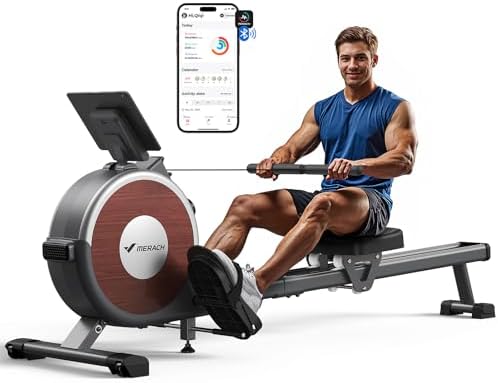
Merach Q1S Magnetic Rowing Machine Indoor, Dual Slide Rail, Quiet & Smooth
Dual rail is smooth and quiet. Great for small spaces.
Visit on Amazon →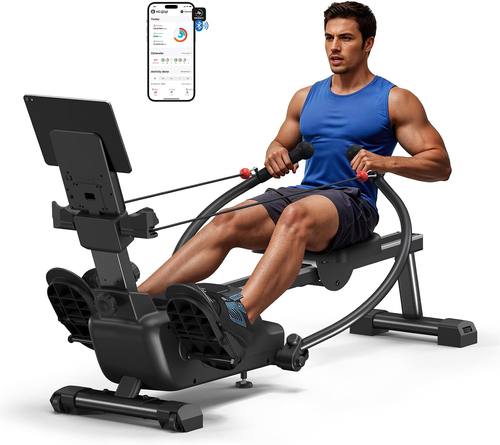
Merach RS3 Scull Rowing Machine for Home, Simulate Real Row, Ergonomic Seat
Sculling motion is fun and feels more like real water rowing.
Visit on Amazon →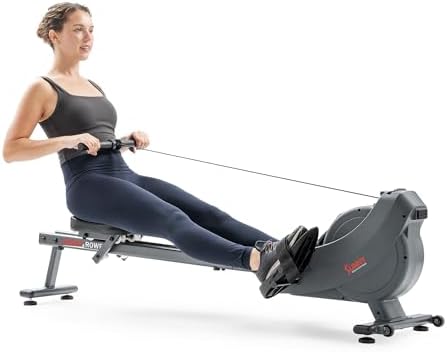
Sunny Health & Fitness Smart Magnetic Rower, Compact Quiet & Smooth Rowing Machine for Full-Body Cardio Exercise, Free SunnyFit Training App Connection
Compact, quiet, and the Bluetooth app is actually usable.
Visit on Amazon →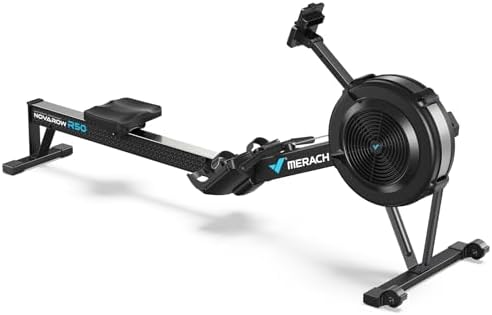
Merach R50 Pro & R60N Rowing Machine Indoor, Backlit Professional Monitor
The Concept2 Model D rowing machine features an advanced PM5 Performance Monitor, improved ergonomically designed handles, adjustable foot-rests, and a flywheel designed for smooth movement with minim
Visit on Amazon →The YOSUDA Machine
The first thing I noticed was the drag. It wasn't the rubber-band feeling you get from cheap magnetic rowers. It was consistent. I've spent ten years coaching on Concept2s, and this ~$300 machine delivers just as good a workout as the Model D I have in my garage, minus the whoosh.
It's quiet, but that's not the win here. The win is that the monitor shows split time, not just calories.
Calories are a vanity metric; split is the truth.
I've had mine for 18 months. I've done 20-minute steady-state sessions and sprint intervals on it. The seat glides smooth, and the frame doesn't wobble even when I'm pulling hard at a 1:45 split. The downside? The seat cushion is a brick.
After 30 minutes, my glutes are complaining. I bought a gel seat cover for ~$15 and it solved the problem.
For the value of it, it is well worth the price. If you're a beginner, buy this one.
The Concept2 RowErg
Let's be honest. The Concept2 is the machine I coach on, the machine I race on, and the machine that has survived years of CrossFit abuse without a single hiccup. The PM5 monitor is built like a tank. I've seen them dropped, slammed, and sweated on for a decade and they still work perfectly. It's also ~$1,100. For a lot of people, that's a real barrier.
I tell my clients this: if you're serious about tracking your progress and competing with yourself, this is the only machine that matters. The drag factor is consistent, the data is accurate, and the resale value is insane.
But if you just want to get some cardio in before work without spending a mortgage payment, you don't need this.
It's also loud. That whoosh is a feature for me, but it might be a dealbreaker if you're rowing in an apartment.
This is the machine I'd buy if I won the lottery, but the YOSUDA is the one I use daily.
The Merach Q1S
I wanted to like this one more. The dual slide rail is a genuine innovation. It feels smoother than a single rail, and the frame is rock solid. It's quiet enough to use while my wife is on a Zoom call, which is a huge plus.
The issue is the monitor. It's a little "cheesy", a small, battery-powered screen that shows time, distance, and calories but not much else.
You can't see your split in real time, which drives me crazy.
The foot straps are also too long. I'm 6'0" and I really have to "scrunch up" to get the right angle on them. A shorter person would have a miserable time. One buyer, who purchased in March, told me the device holder wouldn't secure his iPad with a thick case, he worried it would fall off mid-workout.
If you're a beginner who doesn't care about split times, this is a decent option for the price. But I'd spend the extra ~$50 on the YOSUDA.
The Merach RS3
This is the wildcard. The RS3 simulates a sculling motion with two independent handles, like real water rowing. It's fun. It's engaging. It uses different muscles than a standard sweep rower because you're twisting slightly with each stroke. I actually like it for technique work, and it's a great way to keep things interesting when I'm bored of steady-state.
But it's not a cardio machine in the traditional sense. The resistance curve is different, and you can't pull the same wattage as you can on a standard rower. If you're training for CrossFit or trying to crush a 2K PR, this isn't the tool.
It's also got a learning curve. I had a client hop on it and she looked like she was flailing for the first ten minutes.
It's a niche product, but if you want to simulate more of the on-water feel, it's a fun addition.
The Sunny Health Smart Rower
Sunny is the budget king. This smart rower is compact, quiet, and the Bluetooth app is actually usable, which is rare in this price range. I appreciated that it doesn't require a subscription to function.
The app is a bonus, not a requirement. That's a huge win in my book. One buyer I know specifically avoided machines connected to iFIT because they "weren't wanting to spend a lot of money on a specific brand that's connected to a subscription." I respect that completely.
The problem is the rail length. I'm 6'0" and I was at the edge of the rail at full slide. If you're 5'10" or taller, you'll be "scrunching up" your stroke to fit. That's a dealbreaker for me, but for a shorter person, this is a great compact option. It's also one of the quieter machines I've tested. If you're under 5'10" and you want a connected rower without the subscription, this is your pick.
The Merach R50 Pro
The R50 Pro is Merach's attempt at a premium budget rower. It has a backlit monitor, which is a step up from the "cheesy" screens on the Q1S. It also has a more substantial frame. The problem is the resistance curve. It's not as smooth as the YOSUDA. There's a slight "rubber band" effect at the start of the stroke that I didn't like. It's not a dealbreaker, but for the price, I expect better.
The monitor is a double-edged sword. It's brighter and easier to read, but it's not as accurate as the Concept2 PM5. I noticed my split times were about 2-3 seconds slower per 500 meters on this machine compared to my Concept2, which is annoying if you're tracking progress.
If you want the backlit screen and don't care about the resistance curve, it's a fine machine. But I'd rather have the YOSUDA's smooth drag and a ~$15 headlamp.
The Assembly Reality
Here's the thing nobody talks about: assembly instructions are not optional. I've lost count of how many people have told me they gave up on a rower because the instructions were confusing. The Merach Q1S is the worst offender.
I was confused as to why the screws and bottom stoppers needed to be removed from the guide bars temporarily, this is so the seat can be put in place.
If I've seen it confuse multiple buyers, it's a problem. The YOSUDA, by contrast, took me 45 minutes solo and the instructions were actually clear.
The Storage Question
"Foldable" is a loaded word. Most of these machines don't fold, they stand upright. That's fine if you know what you're getting, but it's a surprise for people expecting a fold-flat design. The YOSUDA and the Sunny both stand upright and take up about 2 feet by 2 feet of floor space. It's not "tucking it out of the way" in a closet, but it's not a treadmill taking up the whole guest room.
The Bottom Line
I've been coaching indoor rowing for over a decade. I've seen what breaks and what holds up. The YOSUDA is the machine I recommend to beginners and budget buyers because it gets the job done without any of the marketing fluff.
The Concept2 is the machine I'd buy if I was training for a competition. The rest are compromises. For the value of it, the YOSUDA is well worth the price.
That's the one I'd buy again, and the one I'd tell my friends to buy. It beats going to a crowded gym, and that's the whole point.