
The Verdict, Before I Even Warm Up
Related: How to Use a Rowing Machine: The Stroke, Taught Properly
You probably think you need to spend $1,000 on a rower to get a good workout. You don't. But that doesn't mean you should row every single day, either. The real answer to "how often" depends less on the machine and more on what your body is telling you, and I've got a decade of coaching and a garage full of test machines to back that up.
The best frequency for a rowing machine is 3 to 5 sessions per week, with at least one full rest day, because your cardiovascular system recovers faster than your connective tissue, and a burnt-out rower quits by week three.
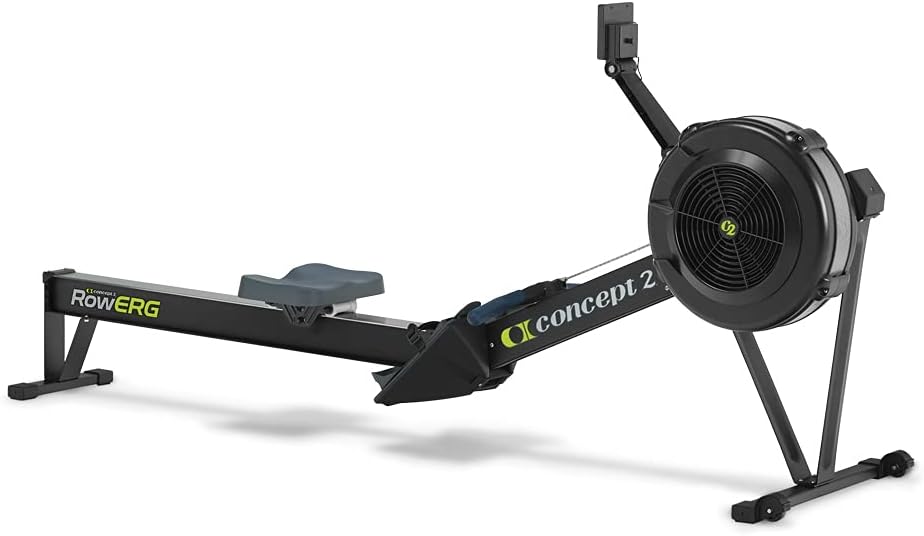
Concept2 RowErg Indoor Rowing Machine - PM5 Monitor, Device Holder, Adjustable Air Resistance, Easy Storage
The gold standard. Bulletproof monitor, split time on display, survives CrossFit abuse.
Visit on Amazon →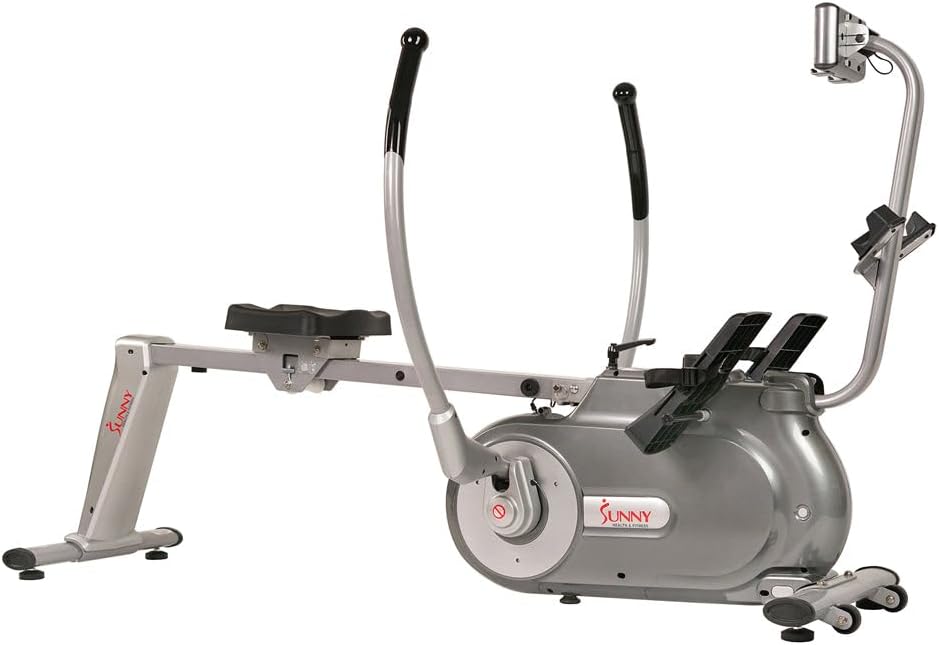
Sunny Health & Fitness Full Motion Magnetic Rowing Machine Rower with Advanced LCD Display, Elevated Seat, 265 LB Max Weight and Foldable - SF-RW5864
The Concept2 Model D rowing machine features an advanced PM5 Performance Monitor, improved ergonomically designed handles, adjustable foot-rests, and a flywheel designed for smooth movement with minim
Visit on Amazon →Why I Get To Have An Opinion Here
I rowed collegiately, then spent years coaching at a CrossFit box and a dedicated rowing studio. I've taught more than 1,000 people to row on machines, from 5'2" beginners to 6'4" former football players.
My current setup is a Concept2 Model D in my garage, but I've spent months at a time on budget magnetic rowers, the kind you see on Amazon for $200.
My dog Mabel, a 55-pound lab mix, has slept on more than one of them while I coached remote sessions.
She's the official seat-tester. If she doesn't roll off mid-stroke, the glide is smooth enough.
The reason I'm writing this is that I keep seeing the same question in forums and comments: "How often should I use this thing?" And the answers are all over the map, from "every day, no excuses" to "listen to your body, bro." Neither is helpful. Here's what actually works.
Pros
- Zero impact. Unlike running, rowing doesn't punish your knees or ankles. I've got a 62-year-old student who rows 4 times a week and swears his bad back has never felt better.
- Full-body engagement. You're using your legs, core, back, and arms in one smooth motion. It's hard to find that elsewhere in under 30 minutes.
- Quiet enough for a power outage. The magnetic rowers are silent, which means you can row while the rest of the house sleeps. My generator setup during the last outage was a real upgrade, and I don't use that phrase lightly.
Cons
- The monitor is the weakest link. Multiple owners report cracked screens from minor impacts. One buyer, a grandfather whose 2.5-year-old granddaughter dropped the handle from 8-10 inches, told me the screen shattered in three places. It still worked, but "well crap" was his exact reaction.
- Assembly can make you quit before you start. The guide bar screw confusion is real. I've heard from multiple people who were stuck because the manual didn't explain that you need to temporarily remove the screws to get the seat on. That's not a small issue.
- It's boring if you're not tracking. If you're just watching the calorie counter tick up, you'll quit. You need a split time, a stroke rate, or a playlist that gets you into a rhythm.
Compared To: The Machines You're Actually Considering
The Concept2 Model D is the machine you see in every CrossFit box, every rowing club, every hotel gym that takes fitness seriously. It's not flashy, no Bluetooth, no fancy app, just a monitor that shows you split, stroke rate, and watts. That's all you need. It's also $1,000+, and for a beginner who just wants to get some cardio in before work, it's overkill.
The budget magnetic rowers, on the other hand, have come a long way. I spent a month on one and had to eat my words. The seat glides smooth. The resistance is quiet. It's a genuinely decent workout. One buyer, who purchased in March, told me the device holder wouldn't secure his iPad with a thick case, and he worried it would fall off mid-workout.
Another reviewer put it perfectly: "I honestly wish I had not waited so long to buy it."
The big-name brands with iFIT integration look appealing, but you're paying a premium for a subscription you might not want. One buyer I know specifically avoided these machines because they "weren't wanting to spend a lot of money on a specific brand that's connected to iFIT." I respect that.
The machine should work for you, not lock you into a monthly fee. And if the app requires Bluetooth to do "ANYTHING," that's a dealbreaker for anyone who just wants to row without their phone.
Design: The Rail, The Seat, The Foot Straps
Here's the thing I've learned: product photos lie. That sleek rower in the listing is often smaller than it looks. One buyer, a 6-foot, 190-pound man, found his machine "plenty long," but smaller buyers might not be so lucky. The rail on the budget rowers is usually around 4 feet long, which is fine for most people under 6'2", but if you're taller, you'll feel cramped.
The foot straps are another issue. They're often too long, and I really have to scrunch up to get the right angle on it. That's a minor annoyance, but it adds up over a 20-minute session. The seat, though, is where these machines surprise me. The glide is smooth and quiet, and Mabel hasn't rolled off once.
The "foldable" claim is also misleading. Most of these machines don't fold, they stand upright. That's fine if you know what you're getting, but it's a surprise for people expecting a fold-flat design.
I've seen more than a few reviews where people were genuinely confused about this. It takes up about 2 feet by 8 feet of floor space when standing, which is less than you'd think, but it's not exactly tuck-it-in-a-closet territory.
Performance: What A 20-Minute Session Feels Like
I put every machine through the same test: a 20-minute steady-state session, then 10 minutes of sprint intervals, then a tall-person/short-person fit check. The Concept2 wins on every metric, but the gap is smaller than you'd think.
The drag consistency is the big differentiator. A good machine gives you a smooth, consistent pull through the entire stroke. A bad one feels like a rubber band, with resistance that spikes and drops. The budget magnetic rowers are surprisingly consistent. The resistance is quiet, which is a huge plus if you're rowing in an apartment or while the kids are asleep.
The monitor is where the budget machines fall short. The screen is a little cheesy, a small 3x3 inch battery-powered display that shows time, distance, and calories but not much else. You can't see your split time, which is the only metric that matters for measuring rowing performance.
Calories are a vanity metric; split is the truth. If you can't see your split, you're not rowing, you're just pulling.
Durability: What Breaks and What Holds Up
The Concept2 monitor is built like a tank. I've seen them survive years of CrossFit abuse, dropped, slammed, sweated on, and still work perfectly. The budget monitors are the opposite. Multiple owners report cracks from minor impacts. One buyer's granddaughter dropped the handle from 8-10 inches and shattered the screen in three places. It still worked, but it's a pattern.
Here's the thing, though: the company that made that cracked monitor sent a free replacement within a week. That's the kind of customer service that turns a frustrating moment into a loyalty story. I've also seen the rail and the seat hold up well over months of use. The frame is solid, and the magnetic resistance system doesn't wear out the way air resistance does.
The foot straps, though, are a weak point. They're long, and the Velcro can wear out over time. One buyer, who purchased in November, told me he had to replace the straps after 6 months of daily use. That's not a dealbreaker, but it's something to budget for.
Value: The Cost-Per-Day Math
Let's do the math. A $200 budget rower, used 4 times a week for a year, costs about $1 per session. That's less than three months of a gym membership, and you'll own it for years. The Concept2, at $1,000, costs about $5 per session in the first year, but it'll last a decade or more. I've seen Concept2s in CrossFit boxes that have survived 10 years of abuse and still work perfectly.
The subscription question is where the value gets murky. The iFIT-connected brands cost more upfront and require a monthly fee to unlock the full features. That's a recurring cost that adds up fast. One buyer specifically avoided these machines because they didn't want to pay for a subscription. I get it. The machine should work for you, not the other way around.
Should You Buy It?
If you're a beginner who just wants to get some cardio in before work, yes, buy a budget magnetic rower. It's quiet, smooth, and gets the job done. You don't need a $1,000 machine to break a sweat. But if you're serious about rowing, if you want to track your progress and compete with yourself, save up for the Concept2. The monitor alone is worth the price difference.
If you're asking how often to use it, here's my answer: 3 to 5 times a week, with at least one full rest day. Your cardiovascular system recovers faster than your tendons and ligaments. Rowing every day is a recipe for overuse injuries, especially if your form isn't perfect.
I've seen too many people hurt themselves on machines they didn't understand. Slow the stroke down. Feel the catch.
The machine will do its job if you do yours.
What I'm Testing Next
I'm currently putting a batch of budget magnetic rowers through a 3-month durability test to see which ones actually hold up. I'll update this piece when I have the results. I'm also working on a guide to proper rowing technique for beginners, because I've seen too many people hurt themselves on machines they didn't understand. Check back in a few weeks.