A rowing machine chain is a wear item, and most people treat it like a permanent fixture. You row for a year, the pull starts to feel gritty, the handle stutters on the return, and suddenly the machine feels slow and heavy. The machine is not dying. The chain is dry, the rail is dirty, and nobody told you those two things need attention.
Rowing machine chain maintenance is the cheapest habit in home fitness. It takes ten minutes, it costs less than one month of any subscription rowing app, and it is the difference between an erg that still feels smooth at year five and one that gets listed on marketplace at year two with "barely used" in the description.
I coach people on rowing machines for a living, and the most common reason a home rower feels bad is not the monitor, the damper setting, or the flywheel. It is a chain that has never been wiped down.
Why you should trust me
I rowed in college and I have been coaching indoor rowing since, first at a CrossFit box and now at a dedicated rowing studio in Seattle. I have taught over a thousand people to row, which means I have watched beginners fight machines that were set up wrong, maintained wrong, or bought wrong. I have sat on everything from a cheap magnetic rower that wobbles under a hard drive to the air rowers that show up at every race venue, and the gap between them is rarely the frame. It is the drag, the seat, and the monitor.
My college coach used to say the erg doesn't lie. He was right. The erg also does not clean itself.
How I picked what's in this guide
This guide has exactly two pieces of gear in it, because chain maintenance only needs one of them: a lubricant built for the job. The second is a home machine for readers who are rowing on a gym floor right now and want a setup at home that covers more than one movement.
For the oil, my filter is short. It has to be formulated for exercise rower chains rather than borrowed from a bike or a car, because an indoor rower never sees rain or road grit and it does see a lot of dust and carpet fiber. It has to be a squeeze or drip application rather than an aerosol, because you want control at the chain and not a cloud of propellant in your living room. And it has to be thin enough to wick into the rollers and heavy enough to stay there through a hard interval session.
For the machine, I look at four things in order: rail stiffness under a hard drive, how the seat rolls, whether the return is smooth through the whole stroke, and whether the frame is rated for the rower who will actually use it. If a machine fails the seat test, nothing else matters. A clicking seat will make you quit faster than sore legs will.
What you need before you start
Two things: the lubricant, and something to wipe with. An old cotton t-shirt or a shop rag works. Paper towels shed and leave lint packed into the links, which is the opposite of what you want.
If you are also shopping for a machine to maintain, the second item below covers the home gym case where you want rowing and cable work from one footprint.
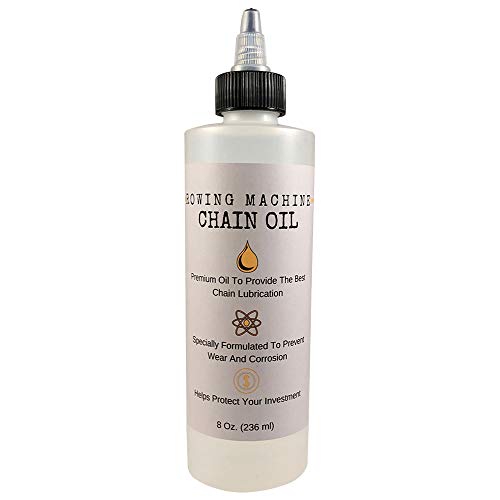
The lubricant: UniSport Concept 2 Rowing Machine Chain Oil (8 Oz) Premium Formula for Exercise Rower Chains, Compatible with Model D and Major Brands, Made in USA
 Visit on Amazon →
This is the bottle I point people to when they ask what to put on an erg chain. It is an 8 ounce squeeze bottle, it is made in the USA, and it is formulated specifically for exercise rower chains, listed as compatible with the Model D and the major brands. That last part is the whole point. The oil was designed for this exact application instead of being a bicycle lube you hope translates.
Flaws but not dealbreakers: Eight ounces is a lot of oil for a job you do once a month on one chain. If you own a single rower, this bottle will outlast your interest in rowing. Split it with a friend, or use it on the moving parts of a cable machine where the manufacturer allows it.
Anyone maintaining a home erg, whether it is a standard air rower or a hybrid machine, should start here.
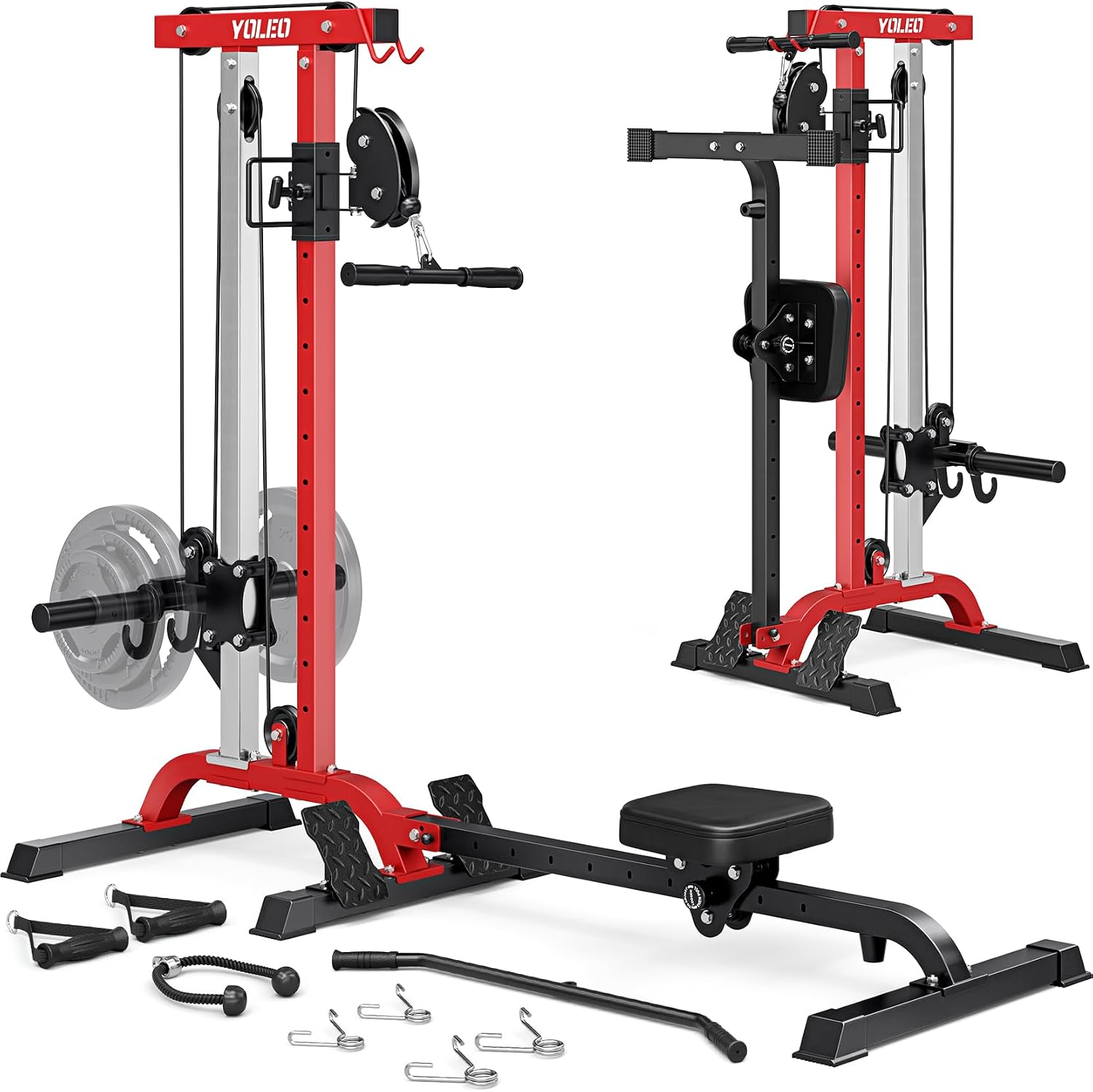
The machine: 2 in 1 Rowing & Cable Machine for Home Gym, 450 Lbs Capacity
 Visit on Amazon →
This is the other half of the home gym conversation: a machine that rows and also pulls cable work, rated to 450 pounds. If your training is rowing plus strength, and you have one corner of a room, a 2 in 1 is a reasonable answer. The 450 pound capacity is the number to check first, because it tells you the frame and the rail were built for a real adult rower and not a teenager who will use it twice.
Flaws but not dealbreakers: Every 2 in 1 is a compromise. You are asking one frame to do two jobs, and the rowing feel will not match a dedicated air rower with a proper flywheel and a drag factor you can measure. If you care about splits and rankings, buy the dedicated machine. If you care about getting a row and a cable session in before work, this covers it.
Anyone building a first home gym who wants rowing and cable work in one footprint should look here before buying two separate machines.
The actual maintenance workflow
Now the part you came for. The order matters, because oiling a dirty chain grinds the dirt in instead of flushing it out.
Step one: Pull the handle out and look at the chain. On most air rowers you can extend the handle and expose the full chain run. Look for dry links, rust colored spots, and black gunk packed into the rollers. That black gunk is old oil mixed with dust, and it is abrasive.
Step two: Wipe first, oil second. Run a dry rag along the chain, section by section, until the rag comes back mostly clean. Do not use a solvent or degreaser on a sealed chain unless the manufacturer tells you to. Solvent gets past the seals and takes the factory grease with it, and then the chain is worse off than when you started.
Step three: Apply thin, not wet. The mistake I see most is people soaking a chain like it is a bicycle in the rain. Put a few drops on a rag and pull the chain through the rag, or run a thin line of oil along the top of the links and let it sit for a minute. You want oil inside the rollers, not a coating on the outside.
Step four: Work the whole loop. A chain is a loop, and half of it lives inside the housing where you cannot see it. Oil what you can reach, pull the handle through a full stroke, and repeat until you have covered the entire run.
Step five: Wipe off the excess. Give it a few strokes to distribute the oil, then wipe the outside of the chain dry. Excess oil flings onto the rail, the floor, and your shin, and it collects dust that ends up right back in the links. A dry looking chain that is lubricated inside is the goal.
Step six: Check the return. The chain pulls out, so something has to bring the handle back. Confirm the return cord or bungee is not frayed and that the handle comes home without a stutter. If the return is sluggish, the cord or the chain tension is the suspect, not the oil.
Step seven: Clean the rail and the seat rollers. Wipe the rail with a damp rag and dry it. Check the seat for side to side play, and listen for a click when you roll it. A clicking seat is a warning, not a personality quirk.
Step eight: Set the damper and check the drag. The damper is a lever, not a resistance knob. Set it where your stroke feels right at your rating, and if your monitor reports drag factor, use that number instead of the lever position. Most people row with the damper too high and call it more resistance. It is just a heavier flywheel, and it punishes your back.
Step nine: Log it. Write the date on the bottle or in your phone. If you row several times a week, you will be oiling roughly monthly. If the chain looks dry before then, oil it. The chain will tell you.
One technique note, because the machine is only part of the workout: slow the stroke down and feel the catch. A lot of chain wear comes from yanking the handle at the front of the stroke with a rounded back and a slack chain. A smooth connection at the catch is easier on the chain and easier on you.
Mistakes that kill a chain
Using a water displacer as lubricant. It is a solvent with a little oil in it. It cleans, it evaporates, and it leaves your chain drier than it started.
Oiling a dirty chain. Dirt plus oil is grinding paste. Wipe first, every time.
Using motor oil or bike lube. Wrong application. Bike lube is built for road grit and water. Rowing chains live indoors and collect carpet fiber.
Over-oiling and never wiping. The excess goes everywhere except where it helps.
Ignoring the rail because the chain gets all the attention. A rough rail makes a good chain feel bad.
Letting the machine sit in a damp basement. Rust does not care what you paid for the rower.
When the chain is not the problem
If you have oiled, wiped, cleaned the rail, and checked the return, and the machine still feels wrong, the chain is probably not the issue.
Magnetic rowers feel the way they feel because of the resistance type, not because of maintenance. No amount of oil makes a magnetic machine feel like an air rower. Water rowers have their own maintenance list, and the tank is on it, not the chain. Subscription connected machines are a different purchase decision entirely, and the real cost there is the membership, not the hardware.
Your monitor is usually not the problem either. If the numbers look wrong, check the drag factor and your technique before you decide the electronics are broken. And if you row on a machine that folds, make sure it actually unfolds and locks before you build a training plan around it.
The 2 in 1 machine in this guide is not a replacement for a dedicated erg, and it is not meant to be. It is a way to row and pull cable work from one frame in a small space, and it should be judged on that.
What this all costs
I do not quote prices here, because listings move and a number printed in an article is stale the day after it publishes. Open either listing and you will see Check current Amazon price, updated live.
The oil is a small one time purchase that covers years of monthly maintenance. The machine is the bigger number, and the way to think about it is cost per session rather than cost per box. A rower you maintain and actually use is the cheapest piece of cardio equipment in the house. A rower with a dry chain that feels bad to pull is a clothes rack with a monitor.
Do the ten minutes. Wipe, oil thin, wipe again, clean the rail, and log the date. Your chain will thank you, and so will your splits.