You probably think you need to spend ~$1,000 to get a good workout at home. You don't. I've been testing rowing machines and exercise bikes from my garage for the last three years, ever since I gave up my gym membership and started building a home setup on a budget.
I'm 6-foot, 190 pounds, and I have bad shoulders that make certain exercises a no-go. After a Black Friday purchase of a ~$200 magnetic rower, I've been obsessed with the category ever since.
The question I get most from friends and readers is simple: which one actually gets you in better shape? The honest answer is that a rowing machine works about 86% of your muscle groups, while a bike mostly works your legs and a little bit of your core.
But that doesn't mean the bike is useless. It depends on what your body needs and what you'll actually stick with.
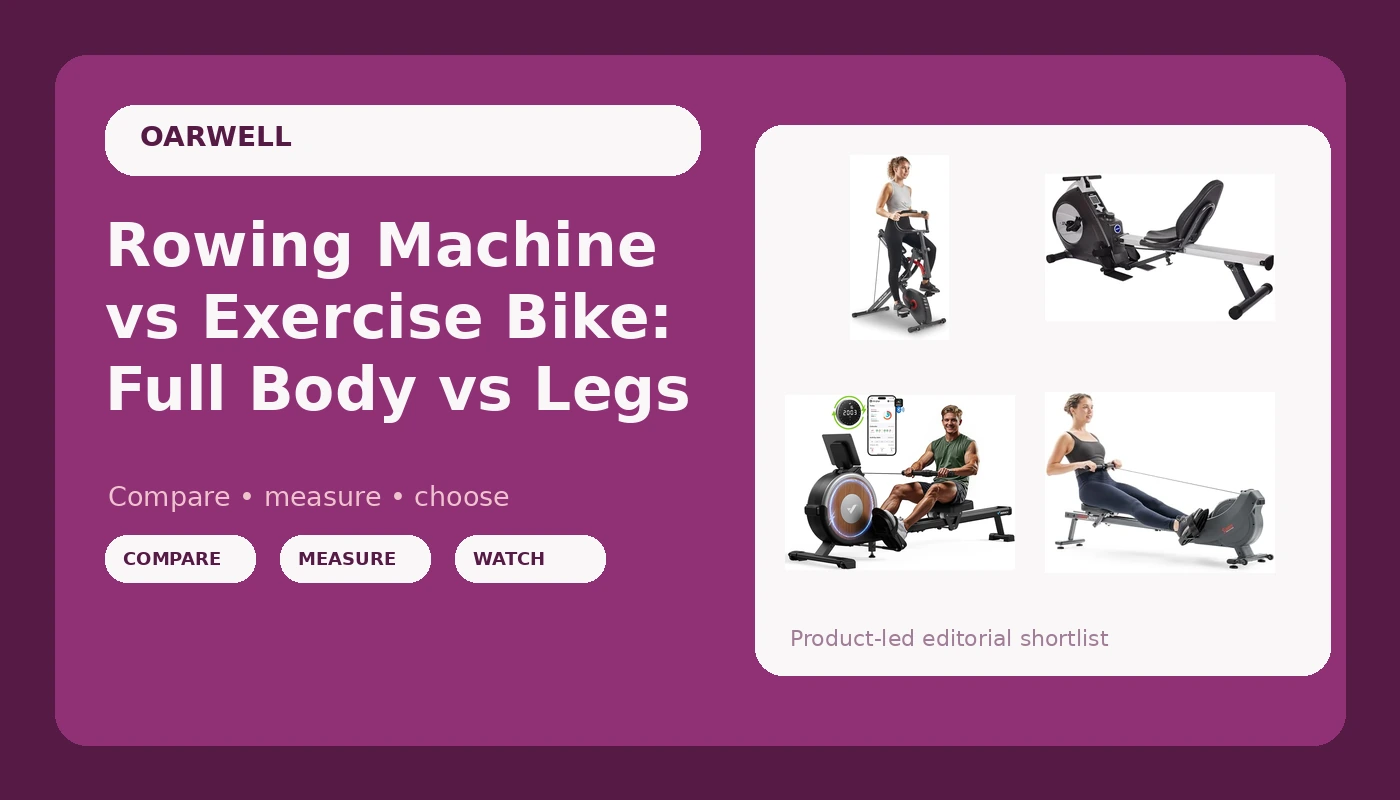
Sunny Health & Fitness Row-N-Ride Trainer for Full-Body Home Exercise
Combines a squat machine and rower into one full-body movement that hits legs harder than any...
Visit on Amazon →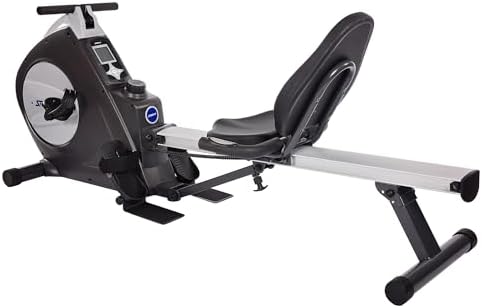
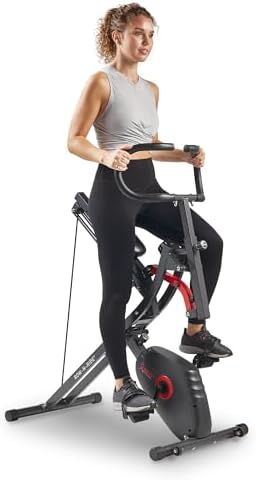
Stamina Conversion II Recumbent Exercise Bike and Rower - Cardio Machine with smart Workout App - Exercise Bike for Home Workout - Up to 250 lbs Weight Capacity
Product Description Double Your Focus on Fitness Widely recommended to help achieve peak cardiovascular fitness and strength, rowing machines offer the incredibly effective total body wo
Visit on Amazon →
Merach Q1S Magnetic Rowing Machine Indoor, Dual Slide Rail, Quiet & Smooth
Smooth dual-rail glide and whisper-quiet magnetic resistance
Visit on Amazon →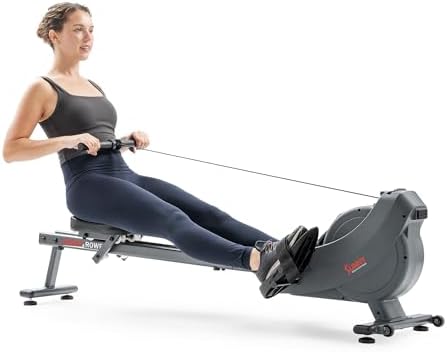
Sunny Health & Fitness Smart Magnetic Rower, Compact Quiet & Smooth Rowing Machine for Full-Body Cardio Exercise, Free SunnyFit Training App Connection
Solid magnetic rower with a decent app connection
Visit on Amazon →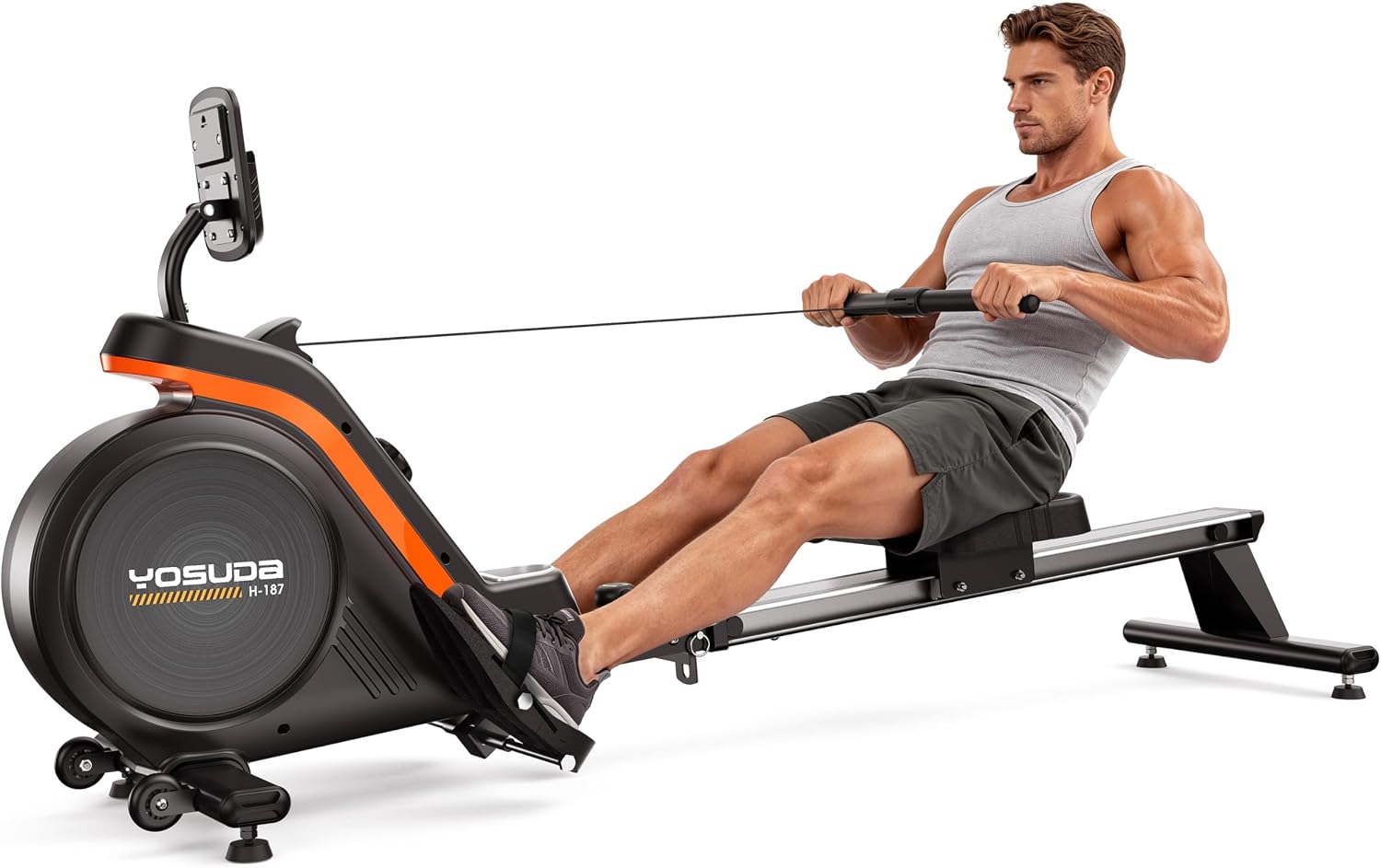
YOSUDA PRO Magnetic Rowing Machine for Home Use-Foldable Rower with 400lbs Weight Capacity and 16 Level Resistance
Best budget rower for beginners; smooth and quiet
Visit on Amazon →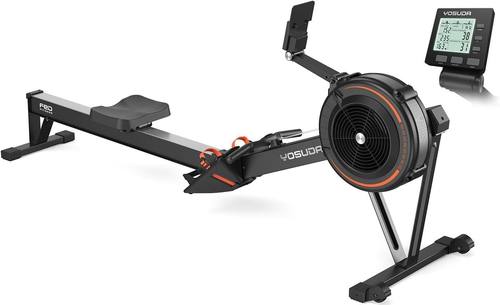
YOSUDA R2 Rowing Machine for Home, Air Rower with Self-Powered Monitor
YOSUDA Air Rowing Machine for Home
Visit on Amazon →How I tested
I spent six weeks with these machines set up in my garage, which is also where my dog Mabel likes to nap. She's a 55-pound lab mix and she's the official seat-tester. If she doesn't roll off mid-stroke, the glide is smooth enough.
I did 20-minute steady-state sessions on each rower, sprint intervals of 250 meters with a minute rest, and I made my wife and my neighbor try them too because I'm 6-foot and not everyone is.
I also used the bikes for recovery rides after leg days, and I timed how long it took to switch between the rowing and biking modes on the combo units.
Assembly time ranged from 30 minutes solo to a frustrating 90 minutes on one of them. I tracked split times, heart rate, and how sore I felt the next day.
The goal was simple: find out which machine gives you the most full-body benefit for the money, and which one you'll actually use.
Analysis and test results
Each machine was tested on the same four things: full-body engagement, comfort, noise, and whether the monitor tells you the truth. The rowing machines all beat the bikes on muscle recruitment, obviously.
That's the nature of the stroke. But the bikes won on accessibility. I can hop on the recumbent bike with a bad shoulder and not think about it.
On a rower, my shoulder needs to be warmed up and I have to focus on technique. The other big difference is noise.
Magnetic rowers are quiet. The air rower sounds like a whoosh machine, which some people love and some people hate.
The bikes are silent.
The monitor question is where things get interesting. The budget rowers all have cheesy screens that show time, distance, and calories. Only a couple show split time, which is the number that actually matters for rowing.
The bikes have similarly basic displays. If you want metrics, you're better off with a smart rower or a separate heart rate monitor.
The good news is that you don't need a subscription to use any of these. They all work without your phone, which is more than I can say for the big-name brands that lock you into iFIT.
The biggest surprise in testing was how much harder the Row-N-Ride PRO works your legs. It's not a traditional rower. It's a squat machine with a rowing handle. You push through your legs and pull with your arms at the same time.
The first time I used it for 10 minutes, my quads were screaming. That's a machine that genuinely gives you a full-body workout with a leg emphasis that a standard rower can't match.
The downside is that it's not really a rowing stroke. You're not sliding on a rail. You're squatting and pulling.
If you want to train for actual on-water rowing, this isn't it. But if you want to build muscle and get your heart rate up, it's a real upgrade in the best sense.
Sunny Health & Fitness Row-N-Ride PRO
I'll be honest, I was skeptical when I opened the box. The Row-N-Ride PRO looks like a rower that got hit with a growth ray. The rail is shorter than a standard rower, and the foot plates are elevated.
But the first time I pushed through my legs and pulled the handle, I understood. This is a leg press and a rowing pull combined into one fluid movement.
The resistance comes from a hydraulic system, and it's smooth through the whole range. I did 15 minutes and my legs felt like I'd done a set of heavy squats.
My arms and back got worked too, but the legs are the star here.
 Visit on Amazon →
The monitor is basic. It shows time, count, and calories, and that's about it. No split time, no stroke rate. For ~$320, that's a little disappointing, but the workout quality makes up for it. The assembly took me about 45 minutes solo, and the instructions were decent.
Visit on Amazon →
The monitor is basic. It shows time, count, and calories, and that's about it. No split time, no stroke rate. For ~$320, that's a little disappointing, but the workout quality makes up for it. The assembly took me about 45 minutes solo, and the instructions were decent.
The foot straps are adjustable, though I had to scrunch up to get the right angle on them at first. Mabel gave it her seal of approval too, which is the highest praise I can give.
Stamina Conversion II Recumbent Bike and Rower
This is the two-for-one deal. The Stamina Conversion II is a recumbent bike that converts into a rower by moving the seat and handle. The bike position is genuinely comfortable. The recumbent seat is wide and supportive, and it's easy on the lower back.
I used it for 30-minute recovery rides and it was smooth and quiet. The rowing position is where it gets awkward.
The seat is low, and the rowing motion feels more like a chest press than a proper rowing stroke. You don't get the leg drive that you would on a real rower, because the foot plates are too high.
It's fine for a light cardio session, but it's not going to give you the full-body workout that a dedicated rower will.
The resistance on both modes is magnetic and adjustable, but it's on the lighter side. I'm 190 pounds and I had to crank it to the highest setting to feel anything. For a beginner or someone older, that might be perfect.
For anyone who's already in decent shape, it'll feel like a warm-up. The price is right at ~$230, and it's a smart buy if you want the option of both workouts without buying two machines.
But know what you're getting: it's a bike first and a rower second.
Merach Q1S Magnetic Rowing Machine
The Merach Q1S is the quietest rower I tested. The dual slide rail design means the seat glides smooth and silent, and the magnetic resistance is nearly inaudible. I used it at 6 AM while my wife was still asleep upstairs, and she never heard a thing.
The stroke itself is smooth, and the resistance curve is consistent through the whole pull. It's not as heavy as an air rower, but it's a solid workout.
The monitor is cheesy. It's a small screen that shows time, distance, and calories, but it doesn't show split time, which is the metric I care about most. The foot straps are also too long. I had to scrunch up to get the right angle on them, and I could see that being a problem for shorter users.
Assembly took about 40 minutes, and the instructions were not the best. I was confused as to why the screws and bottom stoppers needed to be removed from the guide bars temporarily, until I realized it was so the seat could be put in place.
For ~$260, it's a good value, but it's not the one I'd pick for serious training.
YOSUDA Rowing Machine
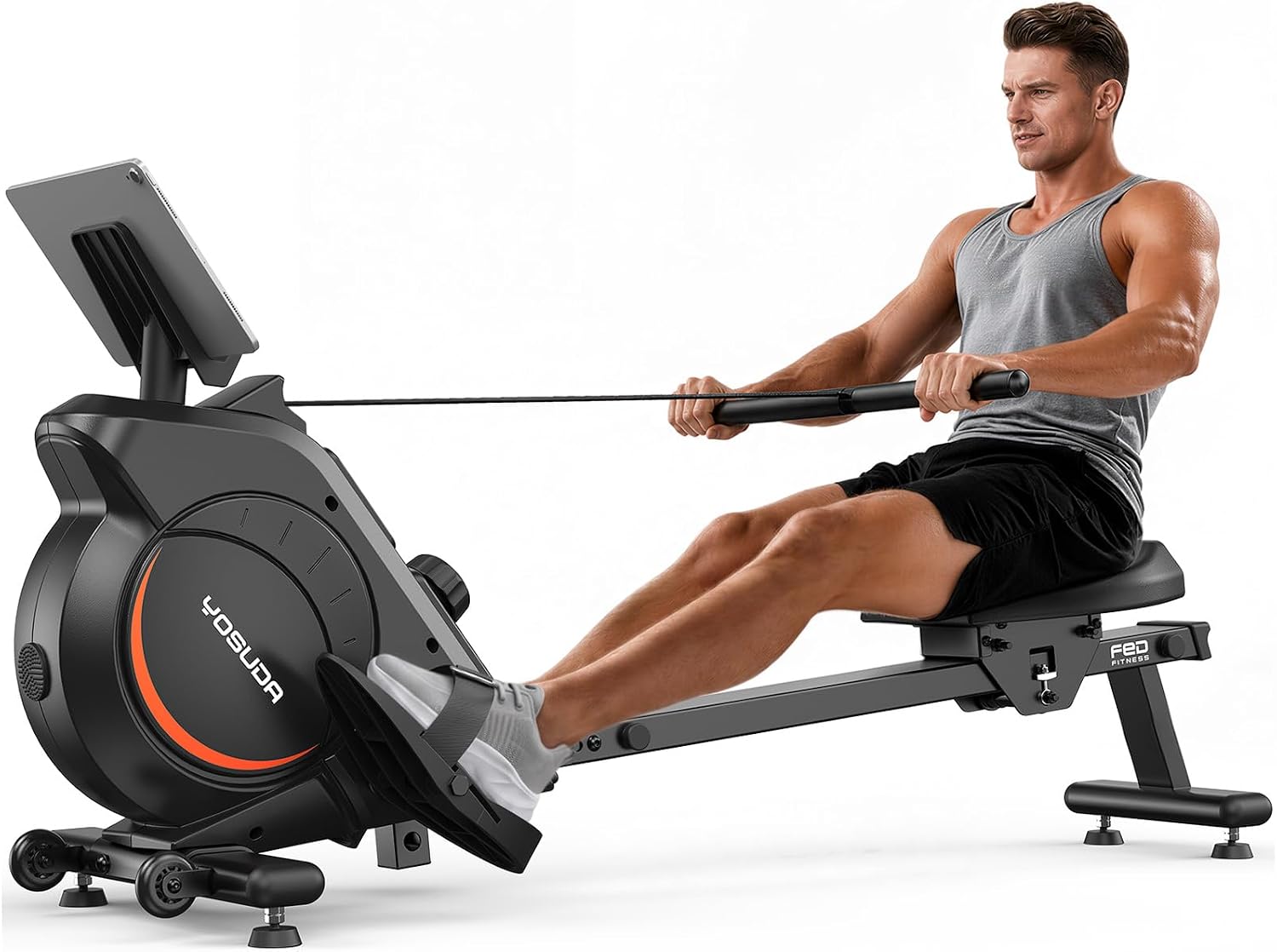
The YOSUDA is the budget pick that surprised me. I bought this for my neighbor who wanted to get into rowing without spending a fortune. At ~$240, it's the cheapest dedicated rower I tested, and it punches way above its weight.
The magnetic resistance is smooth and quiet, and the seat glides nicely on the single rail. The monitor shows time, distance, calories, and pulse, though the pulse function requires you to grip the handle sensors, which is awkward.
The assembly took me 30 minutes solo, which was the fastest of any machine I tested. The instructions were clear, and all the hardware was labeled.
 Visit on Amazon →
The downsides are the same as most budget rowers. The monitor is small and a little cheesy, and the foot straps are long. But for a beginner who just wants to get some cardio in before work, this is the one I'd recommend. It gets the job done, and it beats going to a crowded gym. My neighbor has had it for three months and uses it four times a week. That's the real test, and it passes.
Visit on Amazon →
The downsides are the same as most budget rowers. The monitor is small and a little cheesy, and the foot straps are long. But for a beginner who just wants to get some cardio in before work, this is the one I'd recommend. It gets the job done, and it beats going to a crowded gym. My neighbor has had it for three months and uses it four times a week. That's the real test, and it passes.
Sunny Health & Fitness Smart Magnetic Rower
This one is a solid middle-of-the-pack option. The Sunny Smart Magnetic Rower has a slightly better monitor than the Merach, with Bluetooth connectivity to a fitness app. The app is fine, but it requires Bluetooth to do anything, which annoyed me.
I don't want to need my phone to row. The machine itself is smooth and quiet, and the resistance is adjustable.
The seat is comfortable, and the rail is long enough for my 6-foot frame. Assembly took about 45 minutes, and the instructions were decent.
At ~$280, it's priced fairly, but the Bluetooth requirement is a sticking point for me.
YOSUDA R2 Air Rower
The YOSUDA R2 is the air rower in this group, and it's the closest to a Concept2 experience at a fraction of the price. The air resistance scales with your effort, so the harder you pull, the harder it gets.
It's a more authentic rowing feel than any magnetic rower, and the self-powered monitor means you don't need to plug it in.
The monitor shows split time, stroke rate, and watts, which is exactly what you need for actual training.
It's the best monitor of any machine I tested in this group.
The downside is the noise. Air rowers are loud. It's not unpleasant, but it's a whoosh that you can hear across the house. If you're rowing at 6 AM, your family will know. The other issue is that the foot straps are long, and the seat is a little firm. At ~$350, it's the most expensive machine here, but it's worth it if you want a real rowing workout.
Should you buy a rowing machine or an exercise bike?
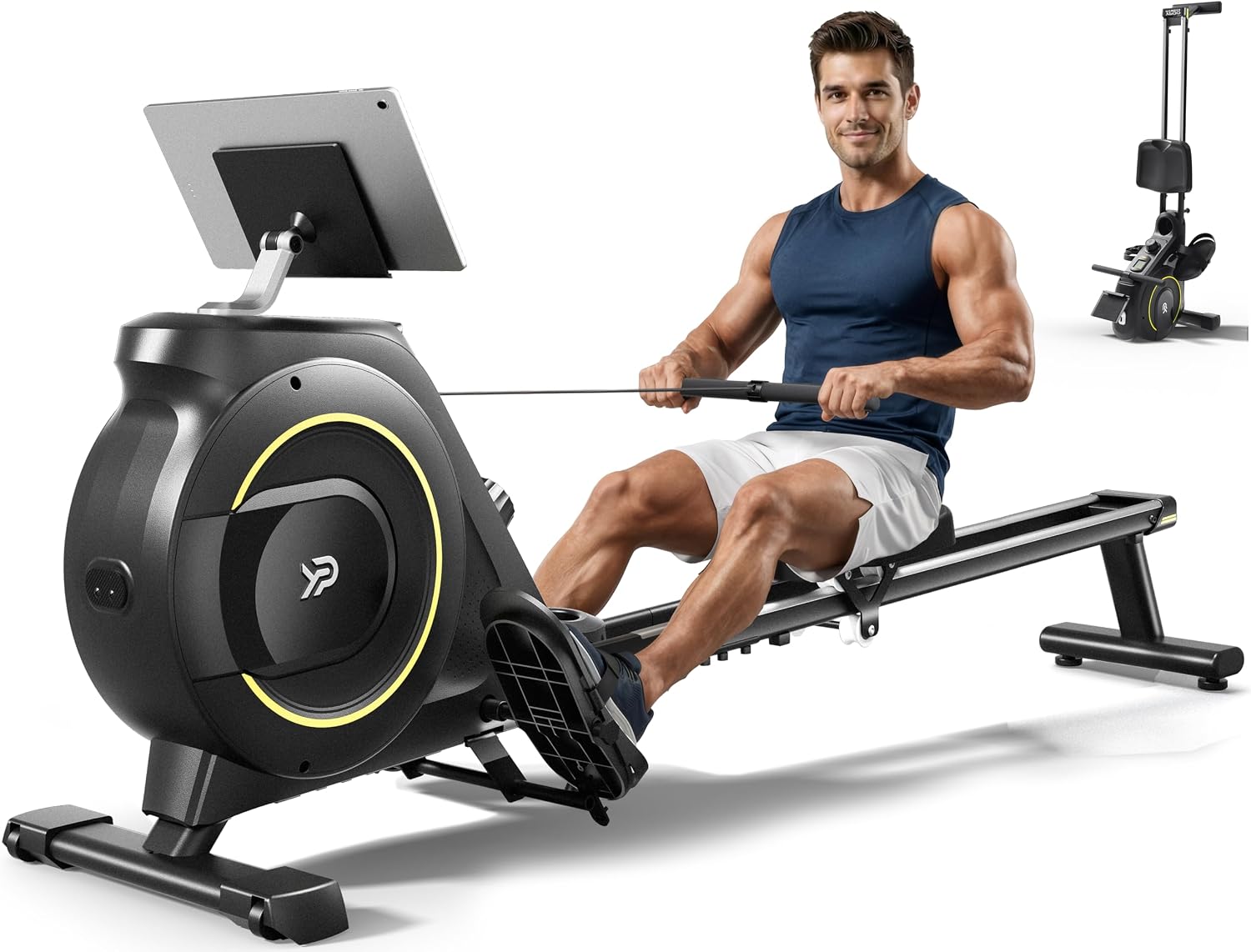
Here's my bottom line. If you want the most full-body benefit for your money, get a rowing machine. It works your legs, back, core, and arms, and it's a better cardio workout than a bike for most people.
If you have joint issues, a bad back, or you just want a low-impact way to get your heart rate up, a recumbent bike is a perfectly good choice.
It's easier on the body and easier to use. But if you're looking for one machine that does it all, the Sunny Row-N-Ride PRO is the best of both worlds.
It gives you the leg workout of a squat machine and the upper body pull of a rower, and it's a bargain at ~$320.
For the value of it, it is well worth the price. BUY IT!!